
← Back

Palermo | Museum of Wine and Peasant Civilization

Via Fabio Massimo, 74024 Manduria TA, Italia ★★★★☆ 283 views
Nicole Smith
Manduria
🏆 AI Trip Planner 2026

Get the free app

Discover the best of Manduria with Secret World — the AI trip planner with 1M+ destinations. Get personalized itineraries, hidden gems and local tips. Free on iOS & Android.

🧠 AI Itineraries 🎒 Trip Toolkit 🎮 KnowWhere Game 🎧 Audio Guides 📹 Videos
Download on the App Store Get it on Google Play
Scan to download Scan to download
Palermo | Museum of Wine and Peasant Civilization - Manduria | Secret World Trip Planner

Nestled in the heart of Manduria, the Museum of Wine and Peasant Civilization offers a fascinating journey through the rich history and culture of Sicilian wine production. Housed in the ancient stables of the Palazzo dei Principi di Palagonia, this museum not only celebrates the art of winemaking but also pays homage to the rural traditions that have shaped the region for centuries.

### History and Origins The roots of the Museum of Wine and Peasant Civilization stretch deep into the ancient history of Sicily. The island has been a key player in Mediterranean viticulture since the time of the Phoenicians, who first cultivated grapes around 800 BC. However, it was during the Greek colonization that Sicilian wine truly began to flourish, with the establishment of vineyards that produced wines renowned throughout the ancient world.

The museum itself was inaugurated in 2000, transforming the historical stables of the Palagonia Palace, a noble residence dating back to the 16th century. This location is not merely an aesthetic choice; it speaks to the social and agricultural practices of the time, preserving the methods and traditions that have been passed down through generations.

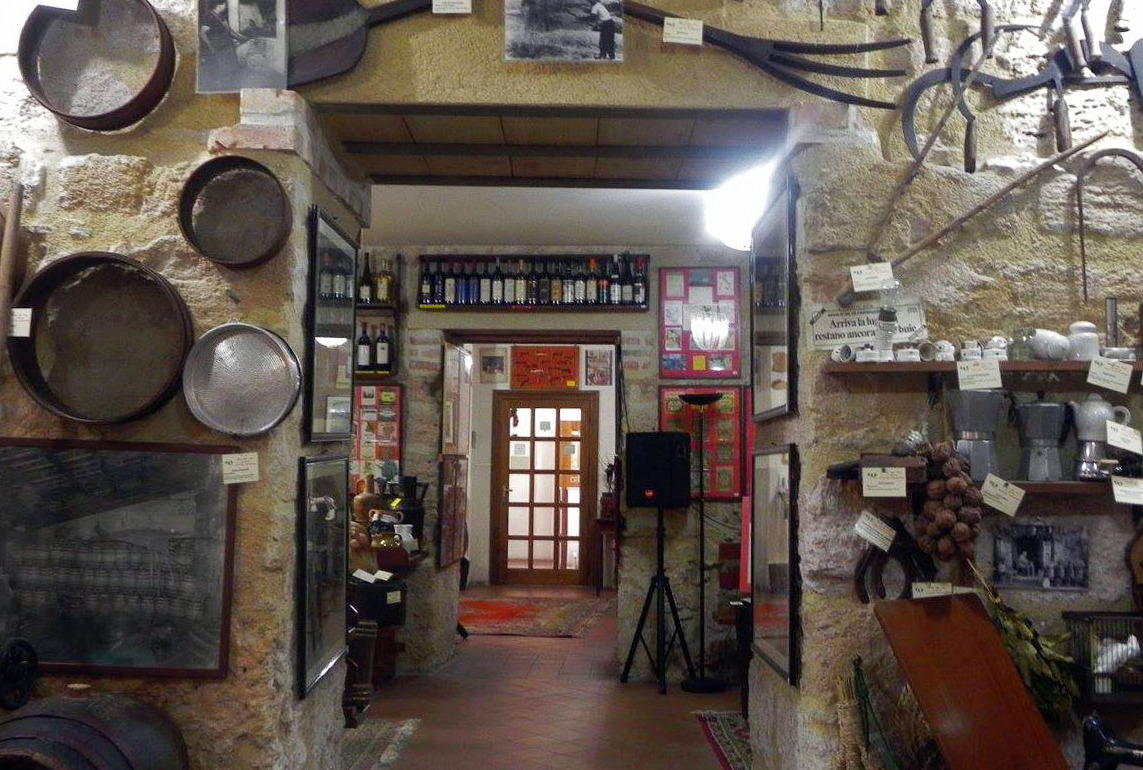
### Art and Architecture Architecturally, the Palazzo dei Principi di Palagonia showcases Mannerist style elements, characterized by its symmetrical lines and elegant proportions. Visitors are greeted by the grand façade that hints at the noble lineage of its former residents. Inside, the museum is adorned with rustic artifacts, ancient tools, and dioramas that depict the winemaking process from vine to bottle.

Notably, the museum features a collection of traditional Sicilian grape varieties, including Nero d'Avola and Primitivo, which are integral to the region’s wine identity. The use of modern audiovisual technology enhances visitor engagement, allowing them to immerse themselves in the stories behind each vintage.

### Local Culture and Traditions The culture surrounding winemaking in Manduria is as rich as the soil in which the grapes are grown. Local customs often revolve around the grape harvest, celebrated each year during the Festa della Vendemmia in October. This vibrant festival brings together the community, offering wine tastings, traditional music, and culinary delights, all while honoring the labor of local vintners.

Another intriguing aspect of local culture is the significance of the 'Cantina', or wine cellar, in Sicilian life. These cellars are not just storage places but are central to family gatherings, celebrations, and the sharing of stories and traditions. At the museum, visitors can learn about the importance of these spaces in the peasant lifestyle, revealing a deeper connection to the land and its bounty.

### Gastronomy The gastronomy of Manduria is intrinsically linked to its winemaking heritage. Visitors to the museum can indulge in local delicacies that pair beautifully with regional wines. A must-try is the Orecchiette con le cime di rapa, a traditional pasta dish that highlights the region’s agricultural produce.

Additionally, Montalbano olives, renowned for their rich flavor, are often served with local wines. The unique climate and soil composition of the region create a perfect environment for both grape and olive cultivation, making wine and oil a staple in local cuisine.

### Lesser-Known Curiosities One surprising fact about the Museum of Wine and Peasant Civilization is its commitment to preserving not only the history of wine but also the artisanal techniques used in production. Visitors might stumble upon workshops demonstrating ancient crafting methods, such as basket weaving and traditional fermentation techniques.

Moreover, the museum often hosts special exhibitions that explore the intersection of art and viticulture, featuring local artists who draw inspiration from the land and its fruitful produce. This dynamic aspect of the museum often goes unnoticed but adds an enriching layer to the visitor experience.

### Practical Visitor Information The best time to visit the Museum of Wine and Peasant Civilization is during the grape harvest season in late summer to early autumn, when the local culture is pulsating with energy and flavor. The museum is open year-round, with guided tours available in both Italian and English, making it accessible to a wide audience.

To enhance your visit, consider participating in a tasting event where you can sample various local wines accompanied by small bites of traditional cuisine. Keep an eye out for seasonal festivals held in the nearby town, where you can experience the vibrancy of Manduria's community.

In conclusion, the Museum of Wine and Peasant Civilization is not just a repository of artifacts but a living testament to the rich cultural tapestry of Sicily. It invites you to explore, taste, and connect with the land in ways that are both profound and delightful. For a truly personalized experience, consider using the Secret World app to craft your unique itinerary in Manduria.

🗺 AI Trip Planner

Plan your visit to Manduria

Suggested itinerary near Palermo | Museum of Wine and Peasant Civilization

MAJ+
500.000+ travelers worldwide
  1. 🌅
    Morning
    Palermo | Museum of Wine and Peasant Civilization
    📍 Manduria
  2. ☀️
    Afternoon
    Museum of Primitivo Wine Civilization
    📍 0 km da Manduria
  3. 🌆
    Evening
    Wine Museum of Montemarano
    📍 0 km da Manduria

Buy Unique Travel Experiences

Powered by Viator

See more on Viator.com

Explore nearby · Manduria
