



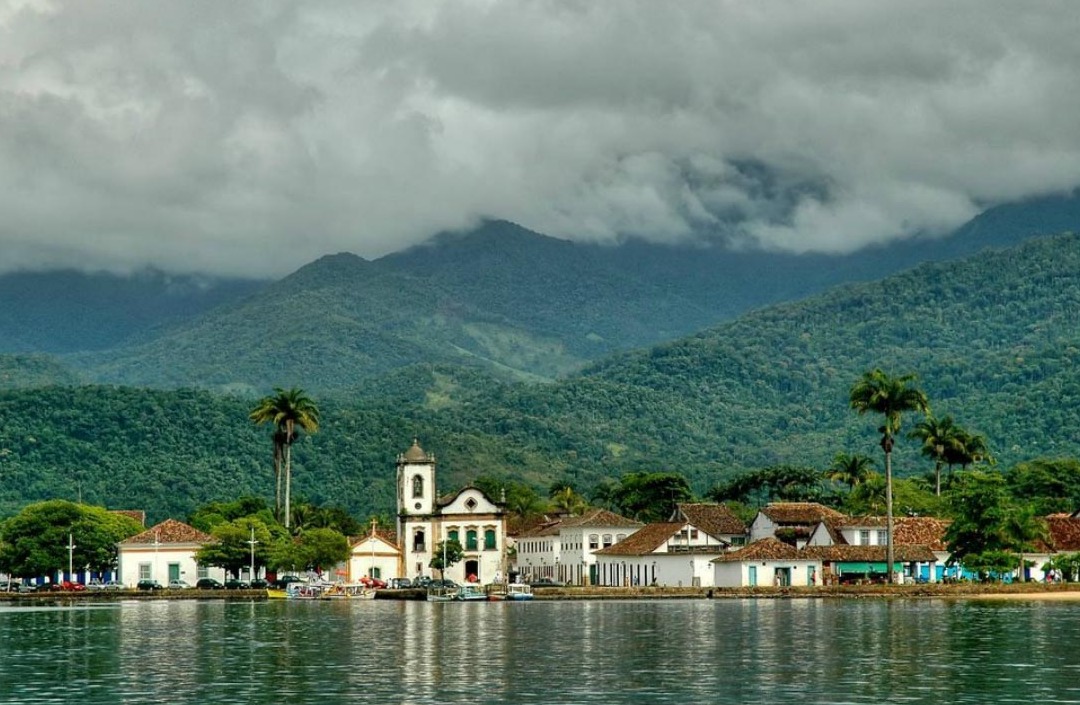
Nestled between lush mountains and the shimmering waters of the Atlantic, Paraty is a jewel of Brazil's Costa Verde. This charming coastal town, founded in 1667 by Portuguese settlers, serves as a tangible link to the country’s colonial past. Its vibrant streets, lined with colorful colonial buildings, transport visitors back to an era where trade flourished and culture thrived.

History and Origins
Paraty's origins are steeped in the rich history of Brazil’s colonial era. Initially established as a port for shipping gold from the Minas Gerais region to Portugal, it quickly became a hub for trade and commerce. The town played a pivotal role during the Gold Cycle of the 18th century, which saw the influx of wealth and diverse cultures.

Key historical events have shaped Paraty’s identity. In the 19th century, the town was a significant center for the Brazilian independence movement. Its strategic location allowed it to flourish as a cultural melting pot, with influences from indigenous peoples, Africans, and Europeans. By the late 19th century, however, the rise of rail transport diminished its role as a trade port, leading to a period of decline. Thankfully, this relative neglect preserved its architectural integrity, allowing Paraty to maintain its charm.
Art and Architecture
Paraty is a UNESCO World Heritage Site, celebrated for its well-preserved colonial architecture. The town features a stunning array of Baroque buildings, such as the Igreja de Santa Rita, which dates back to the 18th century. Its intricate altars and golden decorations reflect the opulence of the era.
Walking through its cobbled streets, visitors will encounter not only stunning facades but also artistic expressions that tell the story of its inhabitants. The town is home to a vibrant artistic community, with galleries showcasing works by local artisans and contemporary artists. Notably, the Paraty International Literary Festival (Flip), held annually, attracts literary figures and enthusiastic readers, celebrating the written word amidst the town's historical backdrop.
Local Culture and Traditions
The culture of Paraty is a rich tapestry woven from its varied historical influences. Traditional festivals, such as the Festa do Divino, are celebrated with fervor, paying homage to the Holy Spirit. This event features lively processions, folk music, and local food, drawing both locals and visitors into the celebration.
The Cachaça Festival, held every September, is another highlight, showcasing the region's famed spirit made from sugarcane. Visitors can sample different varieties of cachaça, learn about its production, and enjoy live music that captures the essence of Brazilian culture.
Gastronomy
The culinary scene in Paraty is a delightful journey through local flavors. The town is particularly known for its seafood, freshly caught from the surrounding waters. Dishes such as moqueca (a traditional fish stew) and tutu de feijão (a dish made from beans and manioc flour) reflect the region’s Afro-Brazilian influences.
For a true taste of Paraty, don’t miss sampling cachaça, the local sugarcane spirit. Visit one of the many distilleries in the area to see how this beloved drink is crafted and enjoy a tasting session. Pair it with pastéis (fried pastries) filled with cheese or shrimp for a delightful snack.
Lesser-known Curiosities
While many tourists flock to the iconic sites, some hidden gems remain off the beaten path. One such curiosity is the “Caminho do Ouro”, an ancient gold trail that connects Paraty to Minas Gerais. This historic path is ideal for hiking enthusiasts seeking to explore the lush landscapes and uncover remnants of the past.
Additionally, Paraty is home to Casa da Cultura, which hosts rotating art exhibitions and cultural events. This venue often features local artists and musicians, providing a glimpse into the town's vibrant creative scene that may go unnoticed by casual visitors.
Practical Visitor Information
The best time to visit Paraty is during the dry season, from May to September, when the weather is pleasant and ideal for exploring its scenic beauty. However, if you seek a lively atmosphere, consider visiting during the Flip festival in July or the Cachaça Festival in September.
When exploring Paraty, it’s advisable to wear comfortable shoes, as the cobbled streets can be uneven. Be sure to take your time wandering through the historic center, soaking in the architecture, and discovering quaint shops and eateries.
No visit to Paraty is complete without a boat tour of the nearby islands and beaches, where you can swim in crystal-clear waters and enjoy the stunning coastal scenery.
With its rich history, vibrant culture, and breathtaking landscapes, Paraty invites you to step into a world where the past and present beautifully intertwine. For a personalized experience that captures the essence of this enchanting town, consider using the Secret World app to plan your visit.
