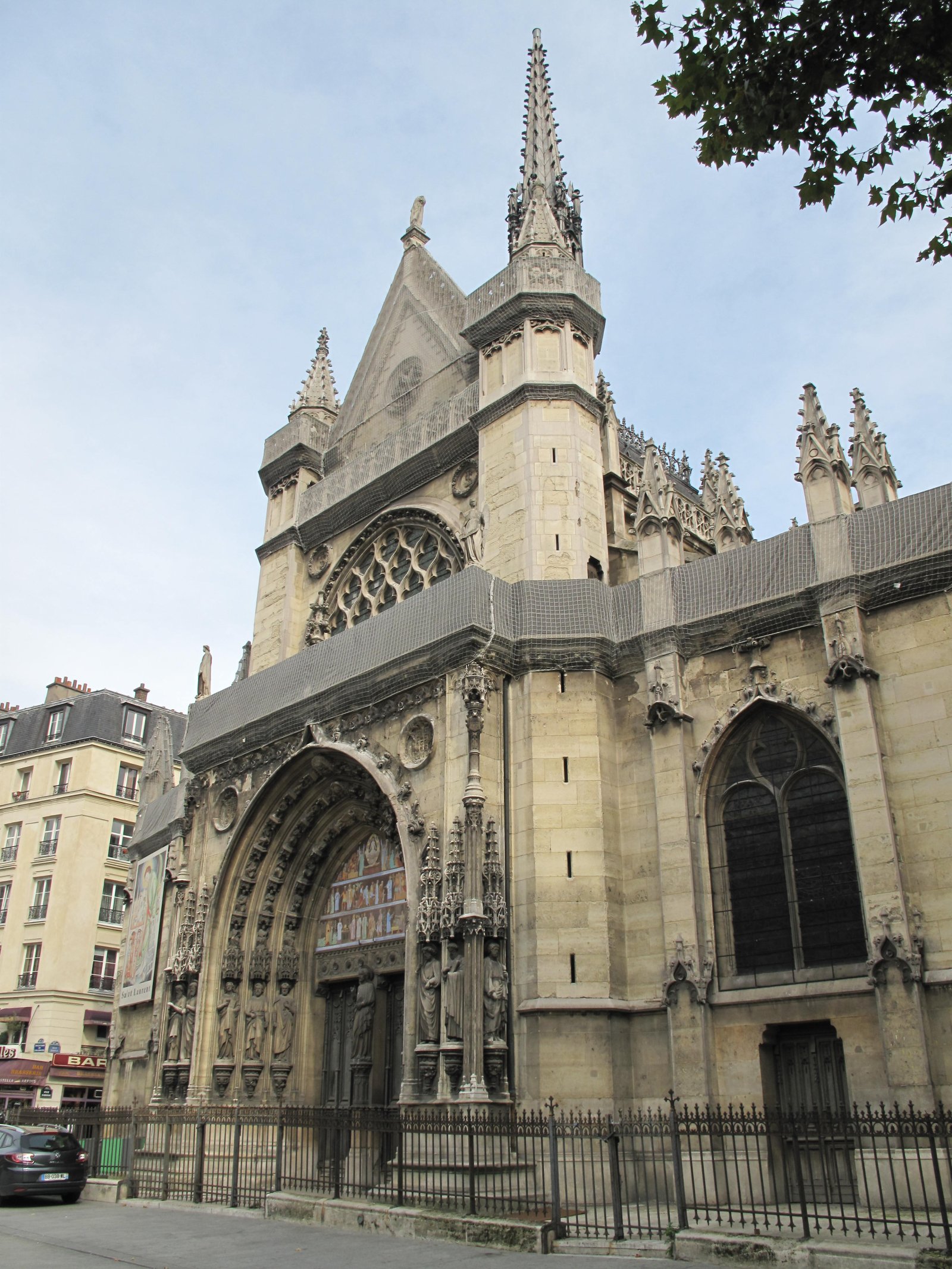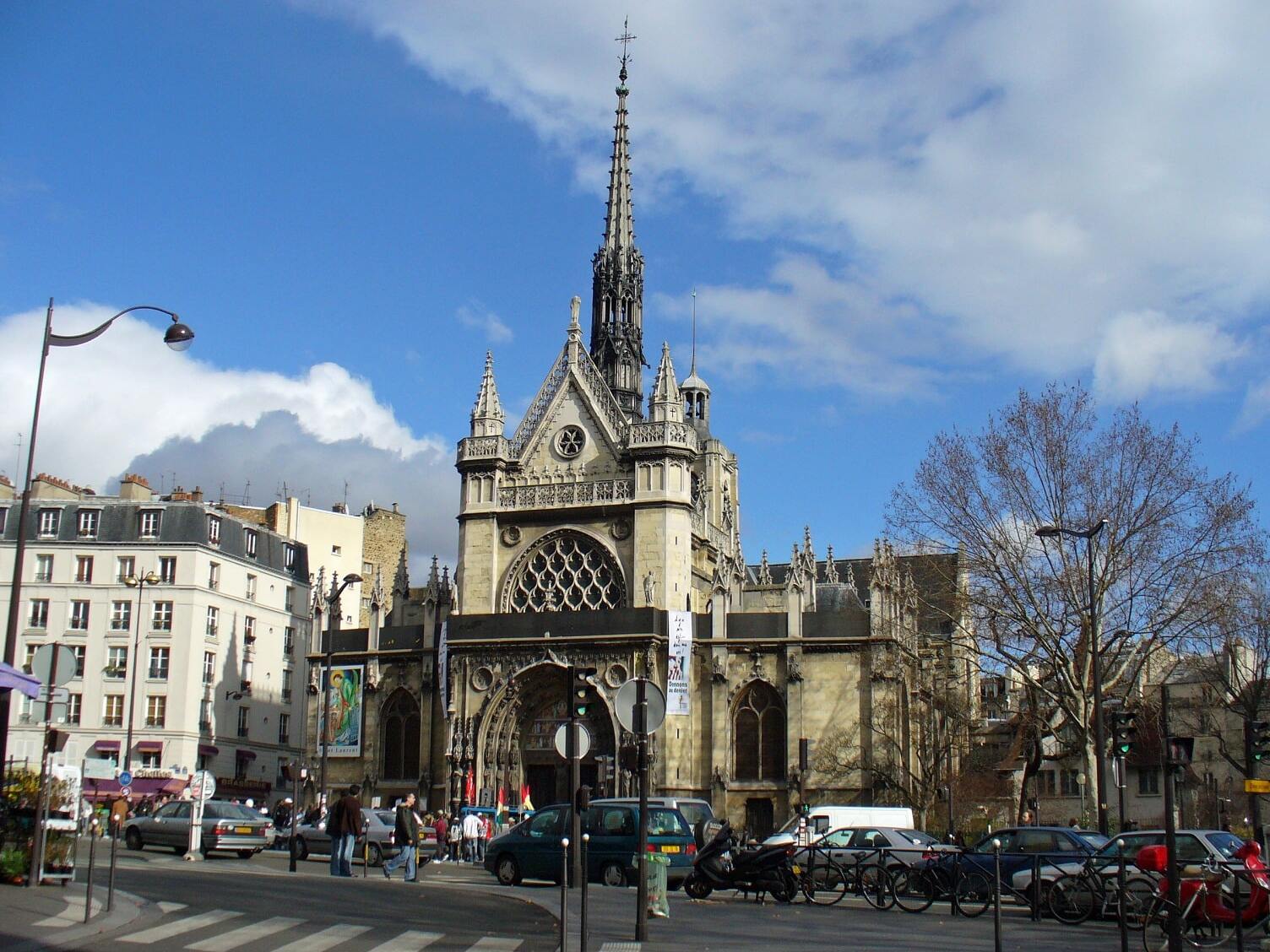

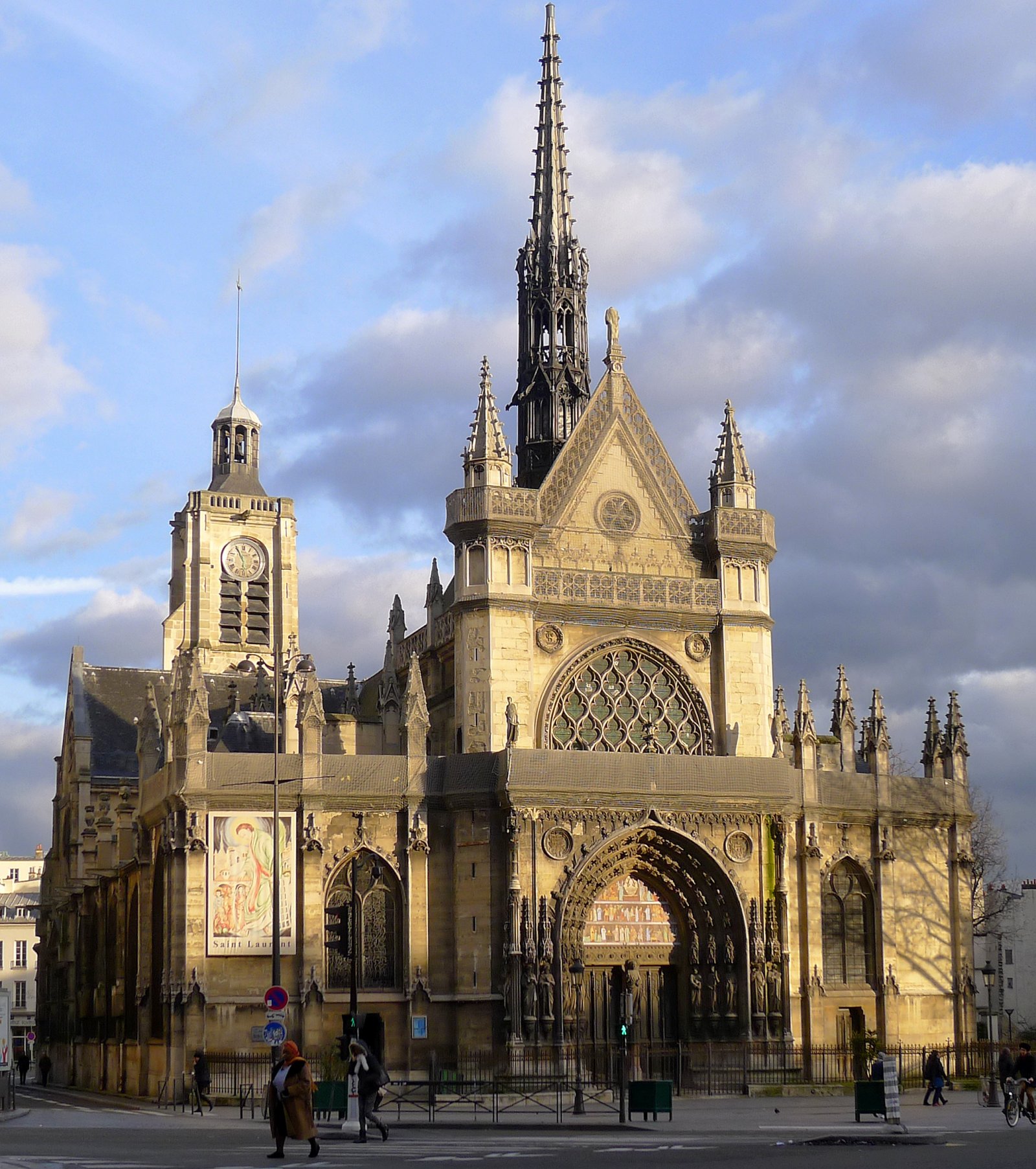
In the heart of Paris's 10th arrondissement, the Church of Saint-Laurent stands as a testament to centuries of history and architectural evolution. With roots that dig deep into the 6th century, this church has witnessed the rise and fall of empires, the ebb and flow of culture, and the transformation of a city that is as vibrant today as it has ever been.
### History and Origins
The original Church of Saint-Laurent was constructed in the 500s, dedicated to Saint Lawrence, a deacon and martyr revered in the Christian tradition. This early structure, however, met a tragic fate in the 9th century, when it was destroyed by the Normans, who ravaged much of northern France during their incursions.
The current edifice, which we admire today, began construction in the 15th century. Built in the flamboyant Gothic style, it exhibits the intricate designs and soaring forms characteristic of that period. One of the most significant moments in the church's history occurred in the 19th century when the famed urban planner Baron Haussmann ordered a reconstruction of the west facade as part of his extensive redevelopment plan for Paris. This blend of historical epochs makes the church a fascinating study of Parisian resilience and renewal.
### Art and Architecture
The architectural style of the Church of Saint-Laurent is a striking representation of flamboyant Gothic, marked by its intricate stonework and elaborate decorations. The church’s elongated structure, soaring arches, and detailed spires draw the eye upward, inviting reflection and awe.
Inside, the church is adorned with remarkable stained-glass windows, many of which date back to the 16th century. These windows narrate biblical stories, casting colorful light that dances across the stone interior. Notably, the altar and the pulpit are adorned with exquisite carvings that reflect the craftsmanship of the period, showcasing the artistic significance of this sacred space.
### Local Culture and Traditions
In the shadow of the Church of Saint-Laurent, local culture thrives. The surrounding neighborhoods are known for their vibrant community life, characterized by traditional Parisian cafés, artisan shops, and lively markets. The church itself plays a central role in local festivals, particularly during the feast day of Saint Lawrence in August, when the community gathers to celebrate with masses, music, and shared meals.
The traditions of the area are deeply interwoven with its historical fabric. The Canal de l'Ourcq, nearby, is often a focal point for local gatherings, where residents enjoy picnics and cultural events, reflecting a blending of old and new Parisian life.
### Gastronomy
No visit to the 10th arrondissement would be complete without indulging in the local gastronomy. The area is renowned for its bistros and pâtisseries, where you can savor classic dishes such as coq au vin and ratatouille. Don’t miss the chance to try a tarte Tatin, a delicious upside-down caramelized apple tart that embodies the region's culinary charm.
Pair your meal with a glass of Côtes du Rhône, a wine that complements the robust flavors of traditional French cuisine. The nearby markets, such as the Marché Saint-Quentin, offer fresh produce and local delicacies that allow visitors to taste the essence of Paris.
### Lesser-Known Curiosities
While the Church of Saint-Laurent is a popular destination, many visitors overlook its hidden gems. For instance, the church houses a belfry that dates back to the 12th century, a rarity in Paris where many were lost to modernization.
Additionally, the church is rumored to have served as a refuge during the French Revolution, a place where locals sought sanctuary amidst the chaos. The surrounding streets are also steeped in stories, including that of Henri IV, who is said to have frequented the area.
### Practical Visitor Information
The best time to visit Church of Saint-Laurent is during the spring and early fall when the weather is mild and the gardens surrounding the church are in full bloom. Arrive early in the morning to enjoy a quieter atmosphere and take in the serene beauty of the architecture without the crowds.
As you explore, be sure to look for the intricate details in the stonework and the serenity of the interior. Consider bringing a camera to capture the stunning stained glass as the sunlight filters through.
To truly appreciate the rich history and culture of Paris's 10th arrondissement, consider using the Secret World app to create a personalized itinerary that highlights the unique aspects of this vibrant area.