

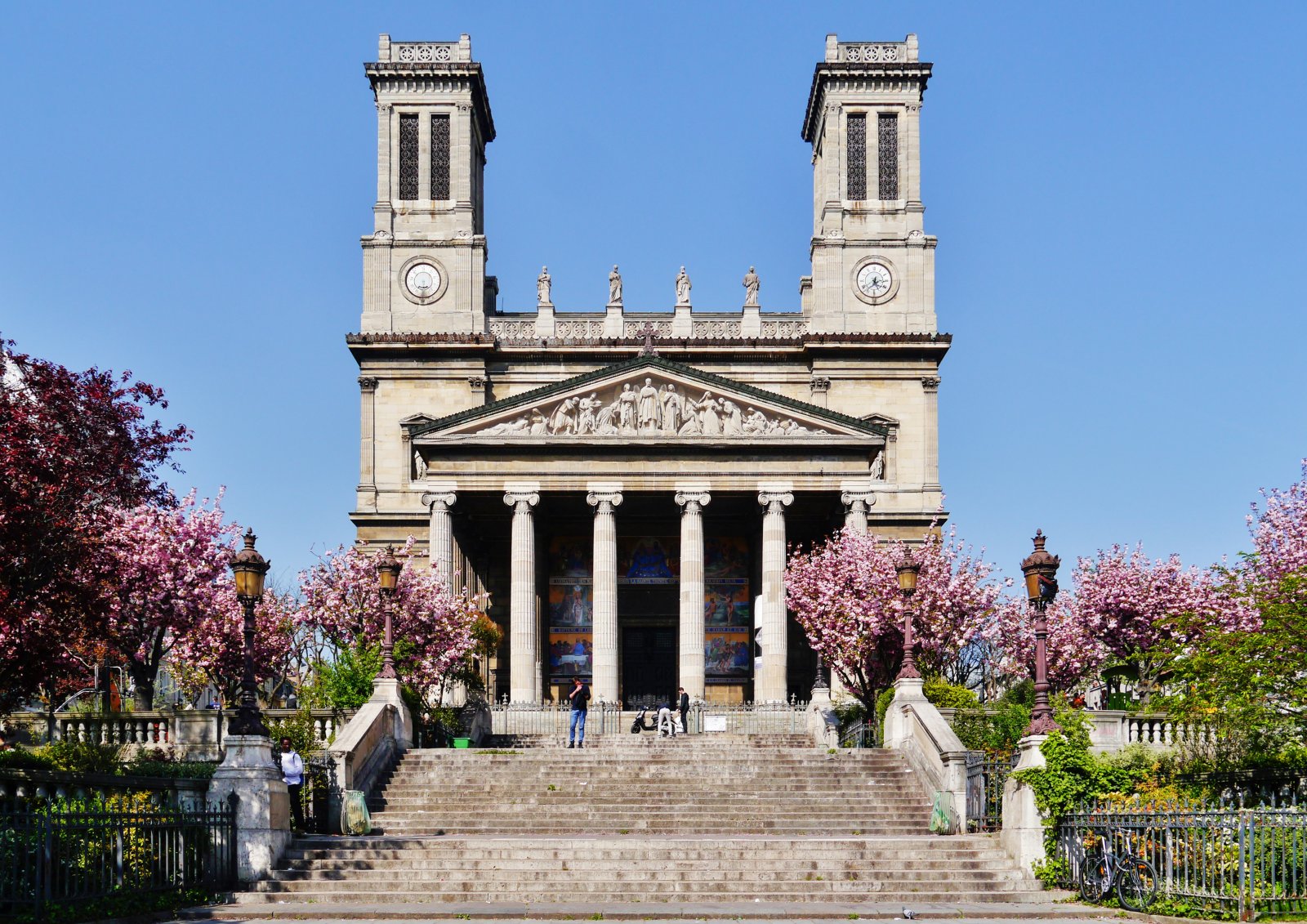
In the heart of Paris, where the city’s bustling energy converges with its timeless elegance, lies the intriguing Saint-Vincent-de-Paul church, a testament to both religious devotion and architectural prowess. As you approach the church, the imposing colonnaded classical front demands admiration, a reminder of the neoclassical style that shaped much of 19th-century French architecture. The church stands as a homage to its namesake, Saint Vincent de Paul, a revered Catholic priest known for his charitable works in the 17th century.
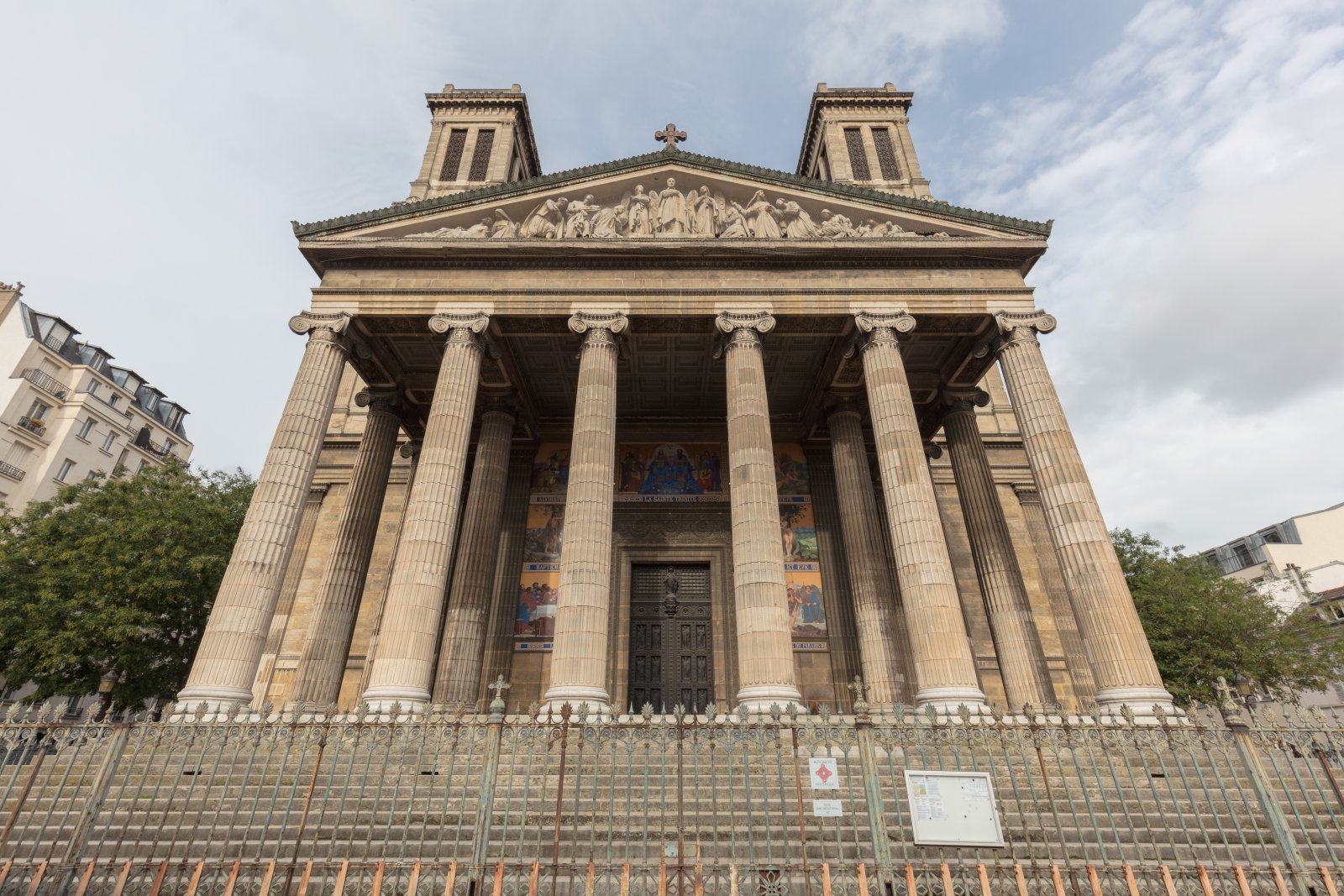
Constructed between 1824 and 1844, Saint-Vincent-de-Paul was envisioned by Jacob Ignaz Hittorf, an architect originally from Cologne, who left a lasting imprint on Parisian architecture. Hittorf's design pays homage to the traditional Christian basilica layout. This architectural choice not only emphasizes the church’s sacred function but also showcases Hittorf’s ability to blend classical elements with innovative touches. The façade, adorned with grand Ionic columns, is reminiscent of ancient Roman temples, inviting visitors to pause and reflect before entering its hallowed halls.
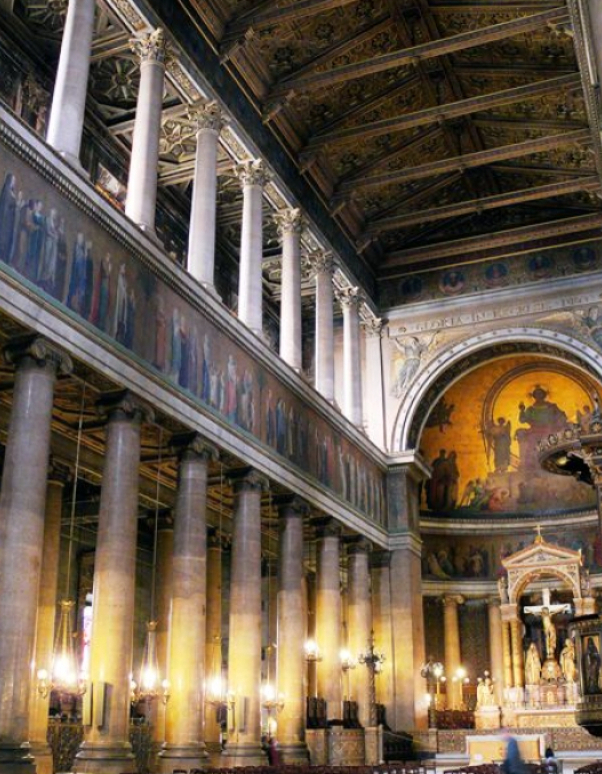
Inside, the church is a canvas of artistic wonder. The ceiling, painted by Hippolyte Flandrin, a student of the famous Jean-Auguste-Dominique Ingres, depicts a series of religious scenes bathed in soft, celestial light. These frescoes are not merely decorative but are a narrative device that guides the observer through the spiritual history of Christianity. Flandrin’s work is complemented by the intricate stained glass windows, which illuminate the interior with a kaleidoscope of colors, especially enchanting during the golden hours of sunrise and sunset.
Beyond its architectural and artistic allure, Saint-Vincent-de-Paul plays an active role in the local culture of the 10th arrondissement. The church is a vibrant part of the community, hosting regular masses, concerts, and cultural events that echo the spirit of its patron saint. The local parish engages in various charitable activities, continuing the legacy of Saint Vincent’s dedication to the poor and needy. The area around the church, once a hub for craftsmen and traders, still resonates with the lively spirit of a neighborhood deeply rooted in its traditions.
When it comes to gastronomy, this part of Paris offers a delightful exploration of flavors. The nearby streets are peppered with quaint cafes and bistros offering traditional French fare. Indulge in a flaky croissant or a rich coq au vin at one of the local eateries. Don’t miss the chance to savor a glass of Bordeaux or a crisp Sauvignon Blanc, as these wines perfectly complement the robust flavors of the region's cuisine. The church’s proximity to the *Marché Saint-Quentin* provides a unique opportunity to sample local produce, cheeses, and charcuterie, capturing the essence of French culinary artistry.
For those keen on discovering lesser-known curiosities, the church holds a few secrets of its own. The bell tower, often overlooked by casual visitors, offers a panoramic view of Paris that rivals more popular vantage points. The acoustics inside the church are particularly noteworthy, making it a favored venue for organ concerts. The massive organ, built by Aristide Cavaillé-Coll, is a masterpiece of musical engineering, its deep resonant tones echoing through the nave during performances.
When planning a visit to Saint-Vincent-de-Paul, timing can significantly enhance your experience. The church is most serene in the early morning hours, before the city fully awakens, or late in the afternoon when the setting sun casts a warm glow through the stained glass. Entry is free, but donations are appreciated as they help maintain the church and support its community activities. For a more immersive experience, attending a mass or a concert can offer a deeper connection to the local culture and traditions.
In essence, Saint-Vincent-de-Paul is more than just a place of worship; it is a living monument that intertwines the rich tapestry of Parisian history, art, and culture. Whether you are an architecture enthusiast, a history buff, or a curious traveler, this church promises an enriching encounter with the spirit of Paris.


