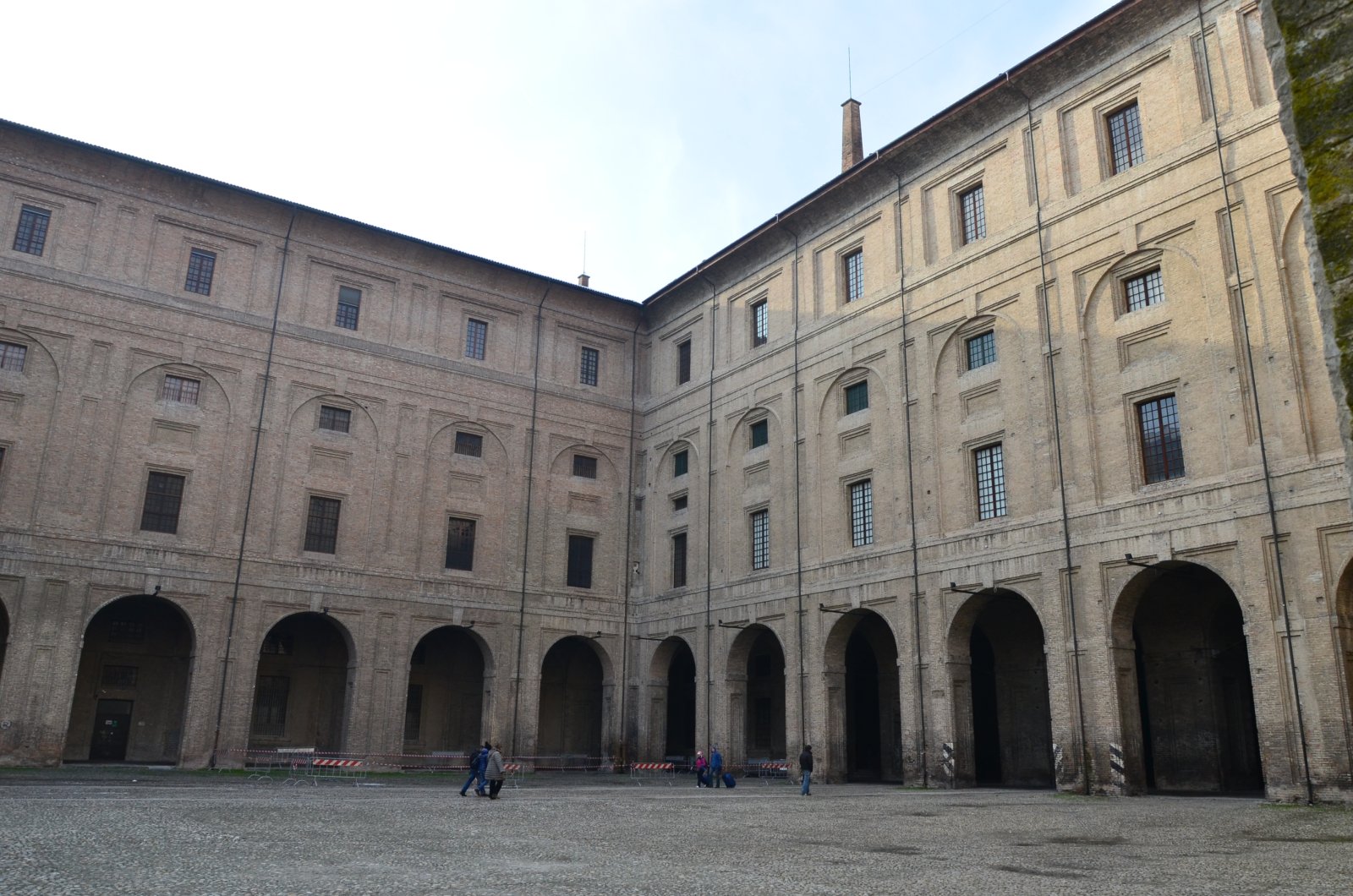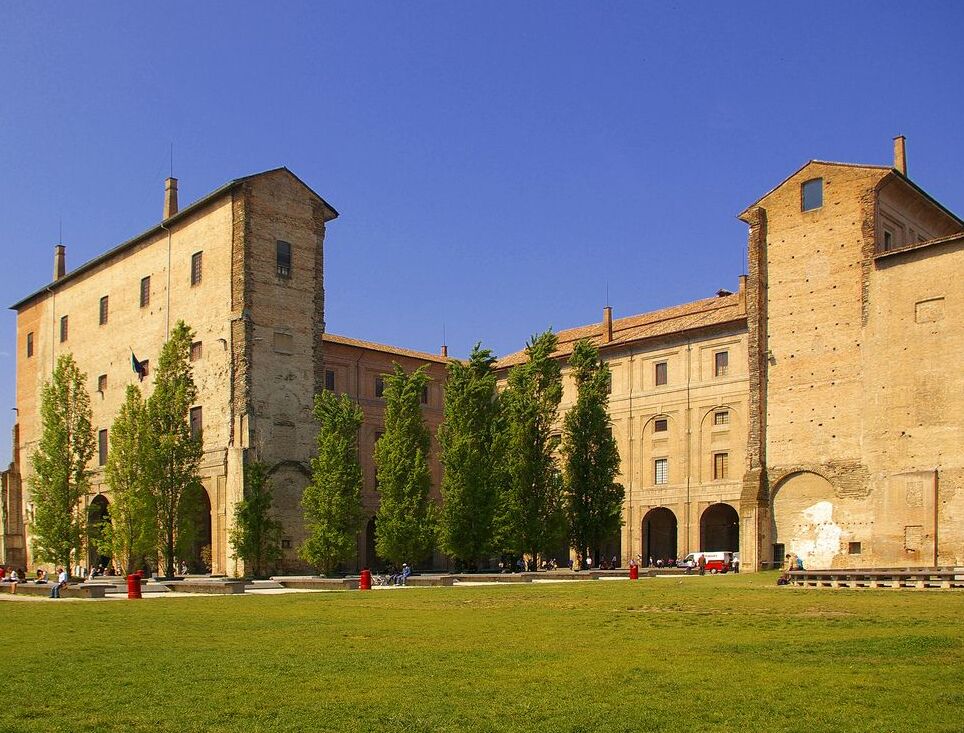

The Palazzo della Pilotta stands as a testament to the rich tapestry of history and culture that defines Parma, Italy. Constructed in the late 16th century, this grand edifice is a product of the vision of Duke Ottavio Farnese, who commissioned its creation in 1583 through the architect Francesco Paciotto. Originally intended to link the two ducal residences, the Rocchetta and the Parco, the palace has evolved through centuries of turbulence, including significant damage during World War II, which left it scarred but resolute. Today, it is a vibrant cultural hub housing some of the city's most important institutions, including the Palatine Library, the Archaeological Museum, and the National Gallery.
### History and Origins The origins of the Palazzo della Pilotta date back to a time of political ambition and artistic renaissance. The name "Pilotta" is derived from the Basque game of pelota, which was played in the courtyard that once served as a venue for the sport. The building has witnessed critical historical events, including the rise and fall of the Farnese family, who left an indelible mark on Parma's cultural landscape. It became a symbol of the city's power and prestige.
The palace's tumultuous history includes its near destruction during the bombardments of 1944, which targeted the city during World War II. Although the structure was partially rebuilt, the scars of war are a reminder of its resilience and the importance of preserving cultural heritage.
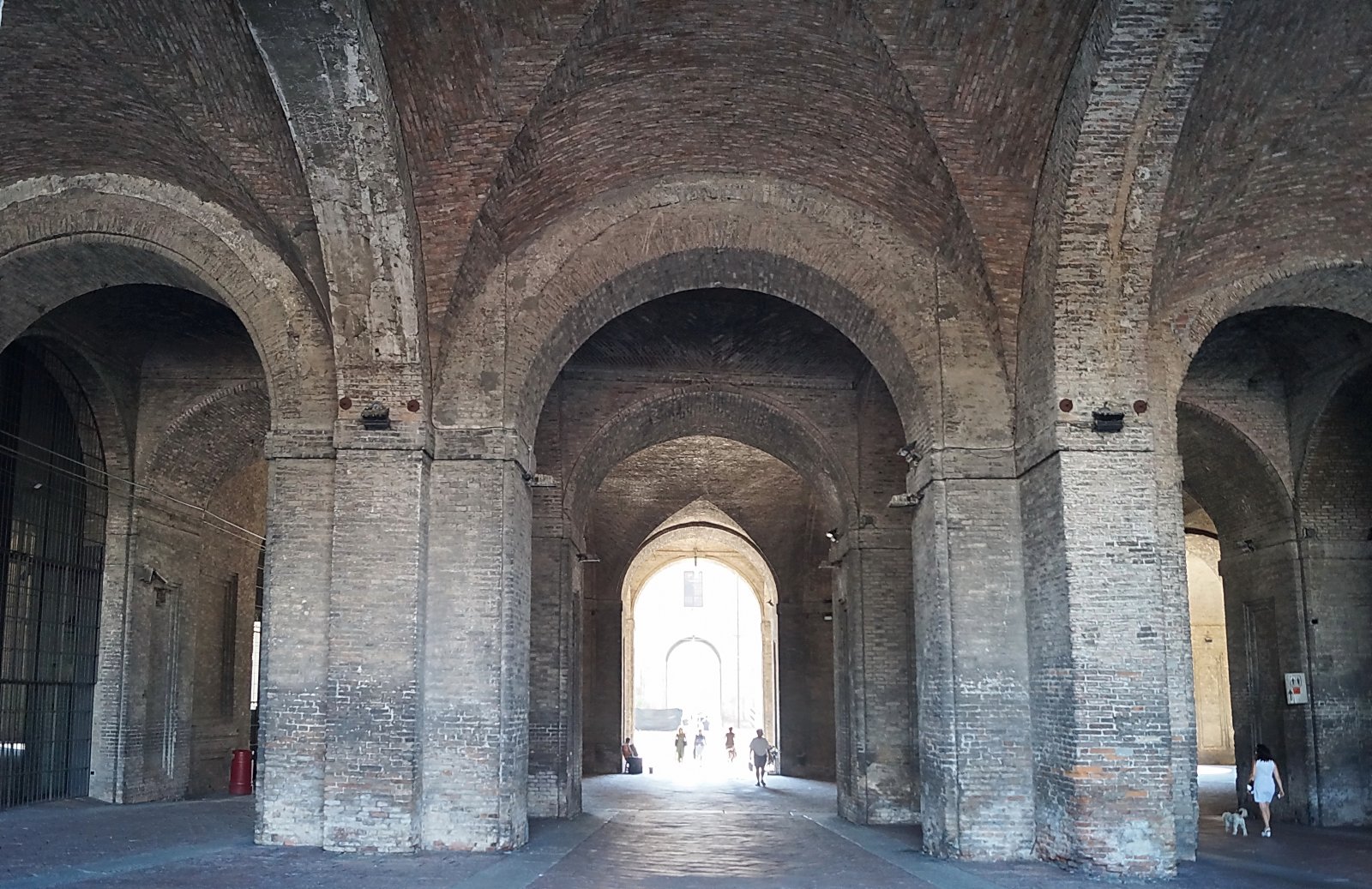
### Art and Architecture The architectural style of the Palazzo della Pilotta is a captivating blend of Mannerism and Renaissance influences. The building's grand façade, characterized by its impressive porticos, provides a sense of majesty that complements the artworks housed within. Inside, the Farnese Theatre—a stunningly restored wooden theatre from the 17th century—rivals the grandeur of any modern performance space, showcasing the artistic genius of the era.
Art enthusiasts will delight in the National Gallery, which boasts an impressive collection of works by renowned artists such as Correggio and Parmigianino. The gallery serves as a window into the evolution of Italian art, highlighting the region's contributions to the broader narrative of Renaissance artistry.
### Local Culture and Traditions Parma is not just a feast for the eyes; it’s a hub of vibrant culture and traditions. Throughout the year, the city celebrates various festivals that reflect its rich heritage. The Festival Verdi, named after the famous composer Giuseppe Verdi, who was born nearby, is a key cultural event, filling the city with operatic performances and attracting visitors from around the globe.
Local customs are deeply steeped in history; Parma is known for its artisanal traditions, particularly in cheese-making and charcuterie. The production of Parmesan cheese and Prosciutto di Parma is celebrated with pride, with many locals engaging in these time-honored crafts that have been passed down through generations.
### Gastronomy A visit to Parma is incomplete without indulging in its culinary delights. The region is famous for its Parmesan cheese, a staple in Italian cuisine, often paired with local wines like Lambrusco. Additionally, the city is renowned for Prosciutto di Parma, a dry-cured ham that embodies the flavors of the region. Local trattorias offer dishes like tortelli d'erbetta, pasta filled with herbs and cheeses, that showcase the depth of Emilian cuisine.
### Lesser-known Curiosities While the Palazzo della Pilotta is well-known among art and history enthusiasts, several lesser-known facts intrigue visitors. For instance, the Farnese Theatre is one of the oldest wooden theatres still in existence, and its acoustics are praised for their unmatched quality, making it a hidden gem for audiophiles. Also, tucked away in the Palatine Library are ancient manuscripts and texts that date back to the Middle Ages, offering a window into the scholarly pursuits of past centuries.
### Practical Visitor Information The best time to visit the Palazzo della Pilotta is in the spring or early autumn when the weather is mild, and the city hosts various cultural events. Visitors should allocate ample time to explore the different sections of the palace, especially the National Gallery and the Farnese Theatre. Guided tours are available, providing deeper insight into the artwork and architecture.
When planning a visit, it’s advisable to check the opening hours as they can vary, especially during holidays. Don’t forget to sample local delicacies at nearby cafés and restaurants to enhance your cultural experience.
As you immerse yourself in the rich history and vibrant culture of Parma, consider using the Secret World app to craft a personalized AI itinerary that ensures you discover the city’s hidden treasures.