
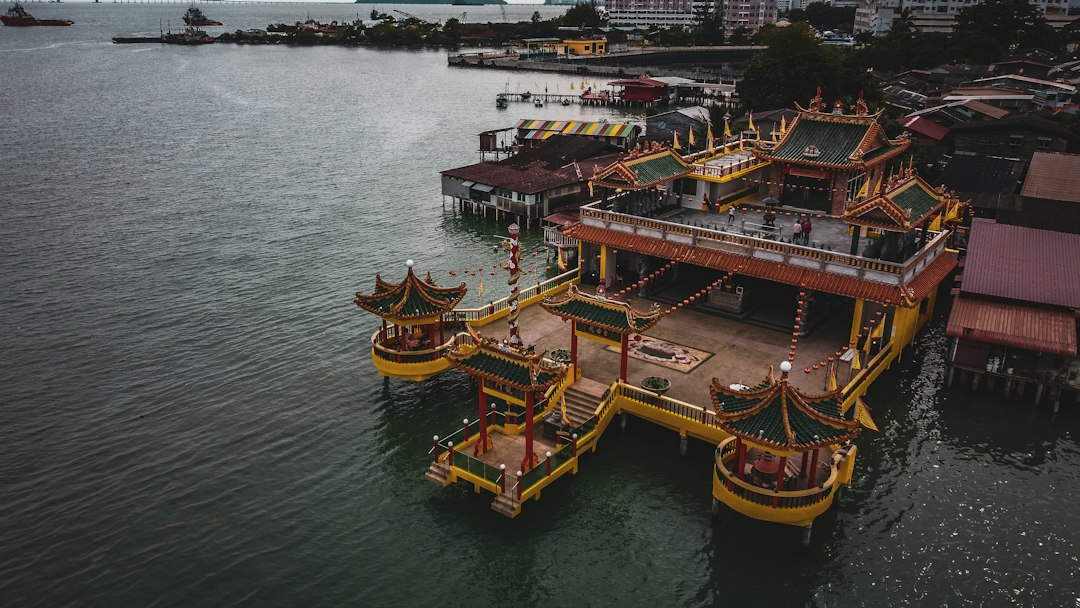

The smell of incense arrives even before seeing the jetties. Walking along Weld Quay, in the heart of George Town, a column of white smoke rises from some hidden point among the wooden houses that stretch out over the sea. These are the Clan Jetties, six jetties built in the 19th century by the Chinese immigrant communities in Penang, each inhabited by a different clan and each with its own temple, its own ancestors, its own identity that has survived intact for over one hundred and fifty years.
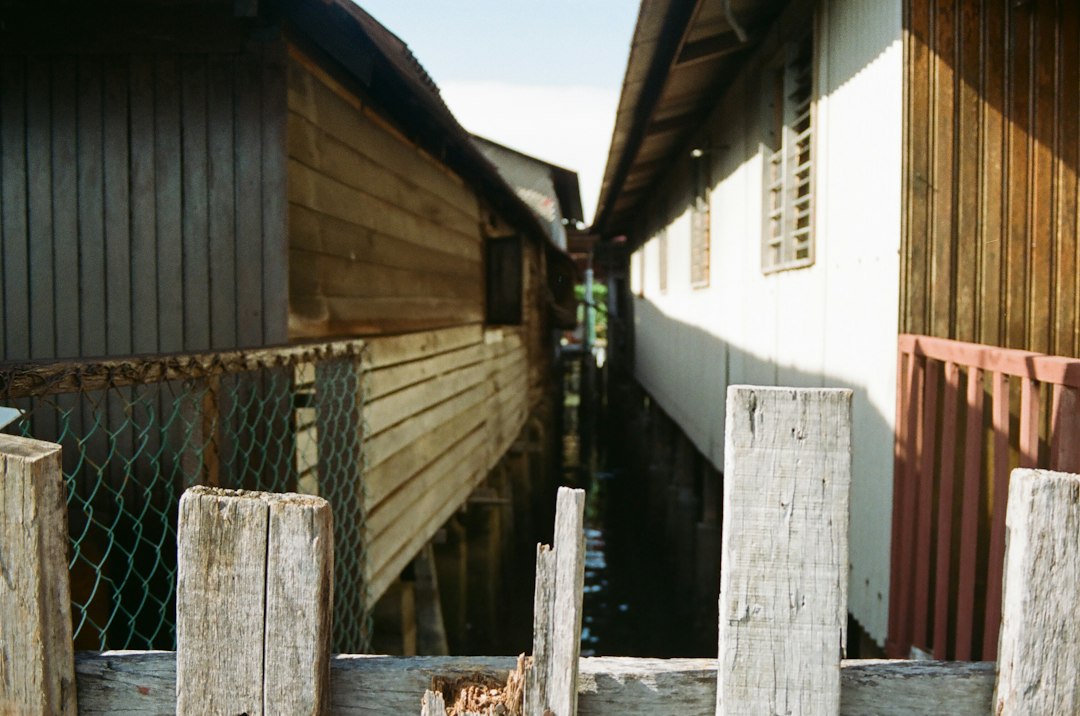
These structures are neither museums nor tourist attractions in the conventional sense: they are living neighborhoods, where real families sleep, cook, and pray on the same wooden planks that their great-grandparents laid on the waters of the Strait of Malacca. The six jetties bear the names of the clans that founded them — Chew, Lim, Tan, Lee, Mixed Surname, and Koay — and each tells a story of migration, labor, and religious devotion that no tourist plaque could truly summarize.
The Chew Jetty and the altar that never goes out
The Chew Jetty is the largest and most visited of the six jetties, with over a hundred families residing there permanently. At the entrance, almost immediately after stepping onto the wooden planks, there is a Taoist altar that, according to local residents, has never stopped burning. Offerings of fruit, lit incense sticks, and figurines of deities accumulate on a structure decorated with red and gold paper, surrounded by smoke that mingles with the salty air of the harbor. It is not a scenic installation: it is an act of daily devotion that continues regardless of the passing tourists.
The main temple of Chew Jetty is dedicated to Tua Pek Kong, a deity revered by the Hokkien communities as the protector of trade and prosperity. During the Chinese New Year, the jetty transforms into a pilgrimage site with processions, fireworks, and votive offerings that attract worshippers from all over Malaysia. Even on ordinary days, it is common to see elderly people burning offering paper or families arranging flowers on the home altar, visible through the open doors of the houses that face directly onto the central walkway.
The other jetties: distinct identities, same water
Each jetty has its own personality. The Lim Jetty is quieter and more residential, with fewer souvenir shops and a greater concentration of authentic domestic life. The Lee Jetty, one of the smallest, retains an almost private atmosphere, with few visitors and a discreet yet still active clan temple. The Tan Jetty has undergone some renovations over the years, but maintains the original stilt structure with houses extending over the water for dozens of meters.
Walking between the jetties along Weld Quay allows you to observe the architectural differences: some homes have carved doors with Taoist symbols, others display plaques with the clan name characters, and still others have small niches with lit candles set into the outer walls. The wood of the planks, dark and worn, creaks underfoot and reveals glimpses of the green water of the underlying harbor through the cracks.
History and Survival of a Community
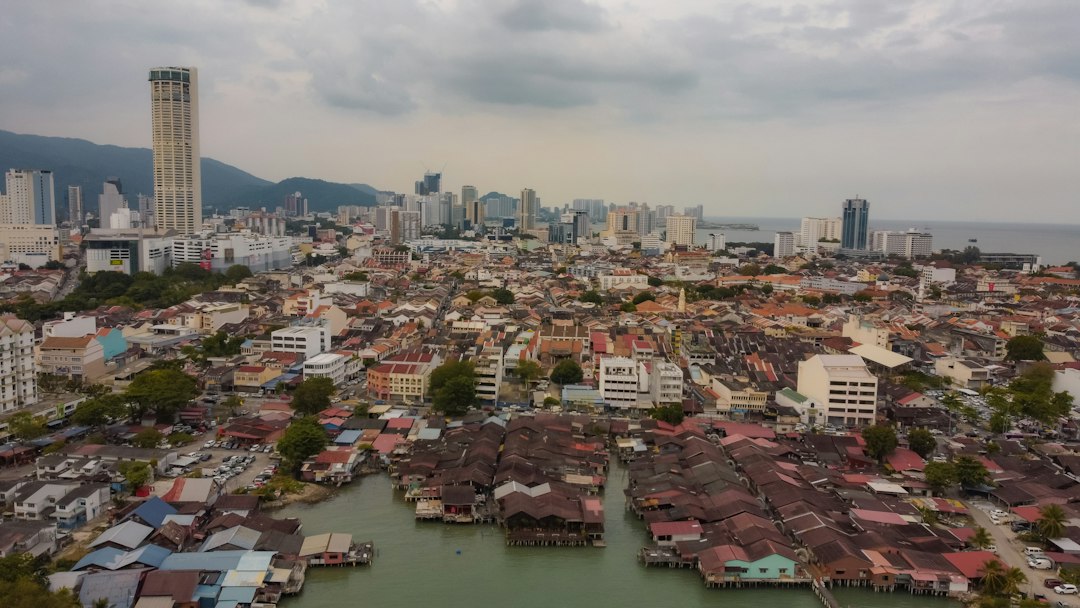
The Clan Jetties were established in the second half of the 19th century, when Chinese migrants — mostly Hokkien from the Fujian province — arrived in Penang attracted by the commercial opportunities of the British port. They built the jetties as an affordable housing solution and as a way to stay close to work: many were coolies, port unloaders, fish traders. Each clan organized itself independently, building not only houses but also community structures and places of worship that cemented collective identity.
In 2008, George Town was declared a UNESCO World Heritage Site along with Melaka, and the Clan Jetties fall within the protected area. This recognition has helped to slow down the real estate pressures that had threatened the demolition of some structures in previous years. Today, the resident families have the right to continue living on the jetties, although the tension between preservation, tourism, and daily life is still palpable.
How to visit the Clan Jetties
The Clan Jetties are located at Weld Quay, reachable on foot from the historic center of George Town in about fifteen minutes, or with a short ride in a trishaw or grab. Entrance is free and there are no official opening hours, but early morning — between 7 and 9 — is the best time to visit: the light is softer, the heat less oppressive, and the daily activities of the residents are at their peak, with elderly people having breakfast on the terraces and fishermen returning with their boats.
It is essential to remember that you are literally walking inside private homes: avoid photographing people without consent, do not touch the altars, and do not enter the houses even if the doors are open. Spending at least an hour and a half on the visit allows you to walk through all the main piers at a leisurely pace. It is advisable to bring water with you, as the shops inside the piers sell souvenirs more than cold drinks.


