


A dull roar breaks the silence of Argentine Patagonia, followed by a growing thunder: a column of ice several meters high breaks off from the front of the glacier and plunges into the gray-green waters of Lake Argentino. What is observed from the panoramic balcony of Los Glaciares National Park is one of the most direct and physical natural spectacles that can be experienced on this planet. Not a postcard, not a screen: living ice moving before your eyes.
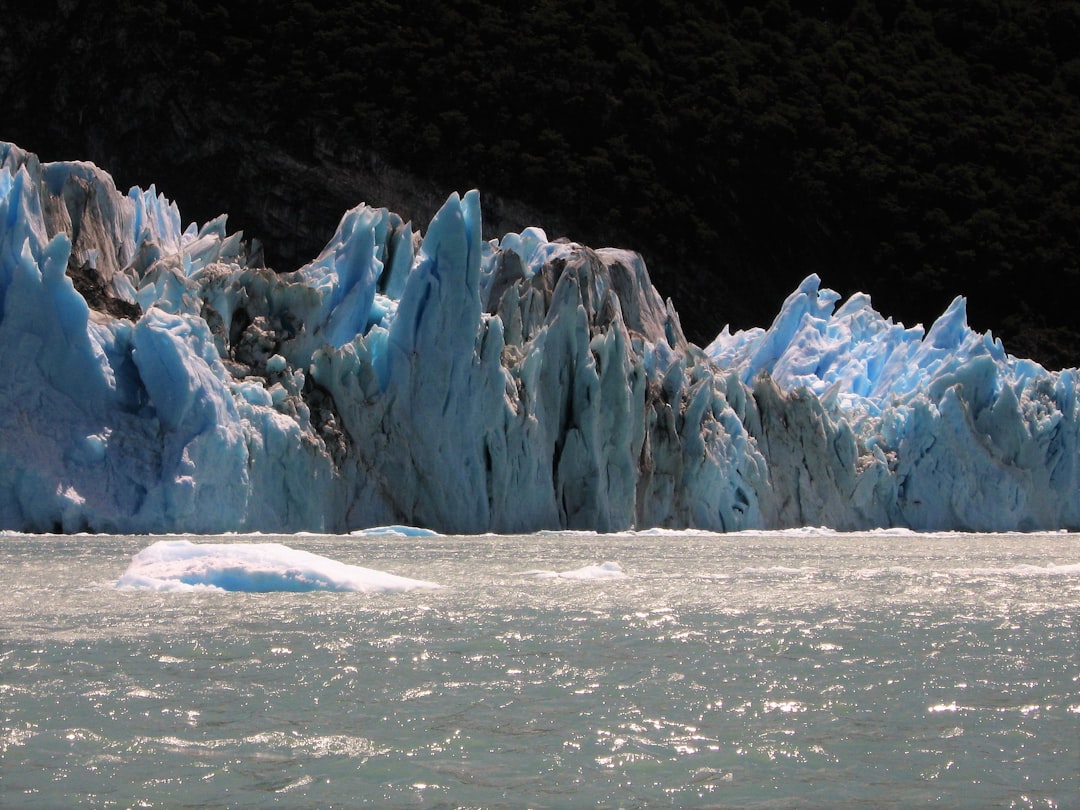
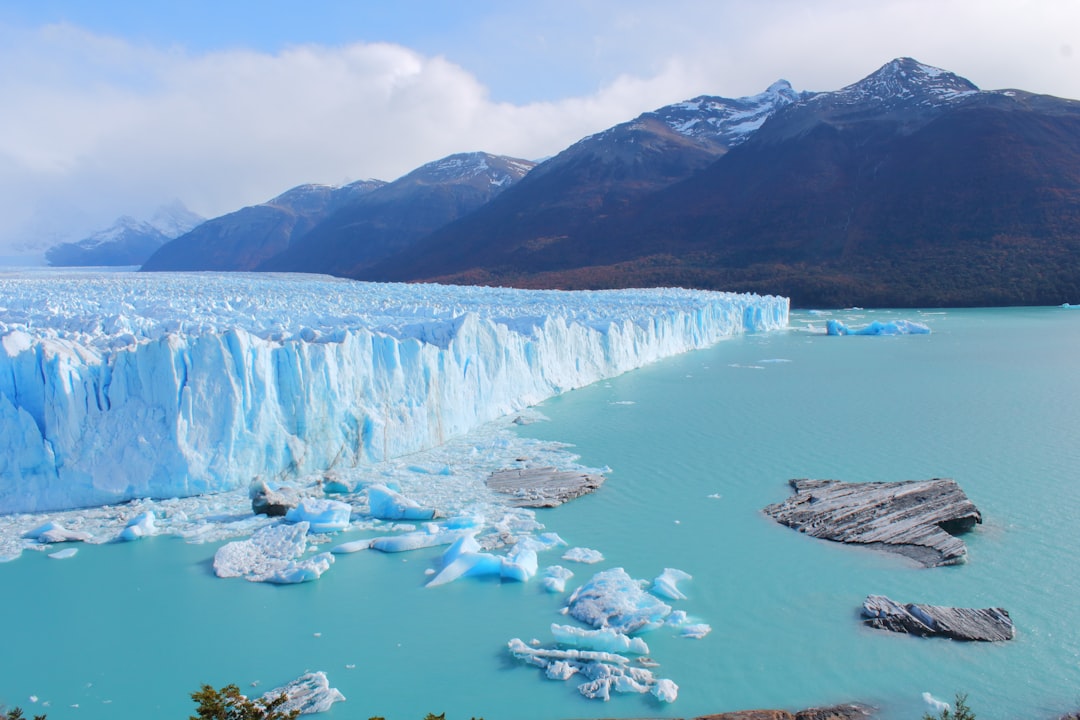
The Perito Moreno extends for about 30 kilometers in length and reaches a width of almost 5 kilometers at the point where its front touches the Magallanes Peninsula, dividing Lake Argentino into two basins. The ice wall that rises above the water measures on average 60-70 meters in height above lake level, but the submerged mass is estimated to be up to three times that. It is one of the few glaciers in the world that is not in a constant state of retreat: its front advances at a speed of about 2 meters per day, compensating for the lost ice with calving.
The colors of ice at different times of the day

Those who arrive at Perito Moreno in the early hours of the morning, when the light is still slanting and cold, find a wall dominated by gray-blue tones, almost metallic. The compressed ice, devoid of air bubbles, absorbs the red frequencies of light and reflects the blue: this is why the deepest cracks and cavities carved by water show an intense, almost unnatural turquoise, while the surface exposed to the sun appears white and granular.
In the afternoon, when the light hits the front of the glacier from lower angles, the contrasts become more pronounced. The towers of ice — called seracs — cast long shadows on the underlying walls, creating a geometry of light and dark that changes every hour. At sunset, on clear days, the wall can take on orange and pink hues, in a chromatic contrast with the deep blue of the crevices that many photographers consider the best moment to shoot.

How the visit works: the panoramic walkways
The system of metal walkways built along the Magallanes Peninsula allows you to observe the front of the glacier from different angles and altitudes, without physically approaching the shore. The walkways are developed on multiple levels connected by staircases, and the complete route takes about 2-3 hours to walk at a leisurely pace. No special equipment is required: you walk on paved surfaces, suitable for any level of physical preparation.

From the lowest level of the walkways, the front of the glacier appears in its real proportion: it is only from that close distance that you realize how high the wall is. Ice detachments — called calving — occur without warning, more frequently during the central hours of the day when temperatures are higher. The sound arrives a few seconds after the image, like distant thunder that suddenly becomes close.
Practical information for organizing the visit
El Calafate, the closest city to the glacier, is about 80 kilometers from Los Glaciares National Park. Numerous tourist buses depart from the center of El Calafate, covering the journey in about an hour and a half; alternatively, it is possible to rent a car. The park is open year-round, but the months between October and April offer more stable weather conditions and longer days.
The entrance ticket to the park is paid, and the price varies based on the visitor's nationality: foreign tourists pay a significantly higher fee compared to Argentine residents, a common practice in the country's national parks. It is advisable to bring water, food, and layered clothing: the wind in Patagonia can change intensity rapidly, and even on sunny days, the temperature near the glacier remains low. Avoiding leaning over the railings of the walkways is not just a matter of regulation: ice falls generate waves that can reach the shore in a matter of seconds.
The geographical context: Los Glaciares National Park
The Perito Moreno is part of the Los Glaciares National Park, established in 1937 and declared a UNESCO World Heritage Site in 1981. The park is home to the third largest continental ice field in the world after Antarctica and Greenland, with over 350 glaciers registered. The name of the glacier honors Francisco Moreno, an Argentine explorer and geographer who, at the end of the 19th century, contributed to documenting and delineating this region of Patagonia.
The lake into which the Perito Moreno glaciers flow, the Argentino Lake, is the largest lake in Argentina with an area of about 1,466 square kilometers. Its waters have that characteristic gray-milky coloration due to glacial flour — very fine rock particles crushed by the movement of the glacier — that mixes with the melting water. It is this combination of elements — ice, water, rock, wind — that makes the landscape of Perito Moreno so recognizable and hard to forget.


