
← Back

Piacenza | Duomo

Piazzale delle Crociate, 5, 29121 Piacenza PC, Italia ★★★★☆ 361 views
Teresa Lotti
Piacenza
🏆 AI Trip Planner 2026

Get the free app

Discover the best of Piacenza with Secret World — the AI trip planner with 1M+ destinations. Get personalized itineraries, hidden gems and local tips. Free on iOS & Android.

🧠 AI Itineraries 🎒 Trip Toolkit 🎮 KnowWhere Game 🎧 Audio Guides 📹 Videos
Scan to download iOS / Android
Scan for AppGallery Huawei users

About Piacenza | Duomo

Piacenza | Duomo - Piacenza | Secret World Trip Planner

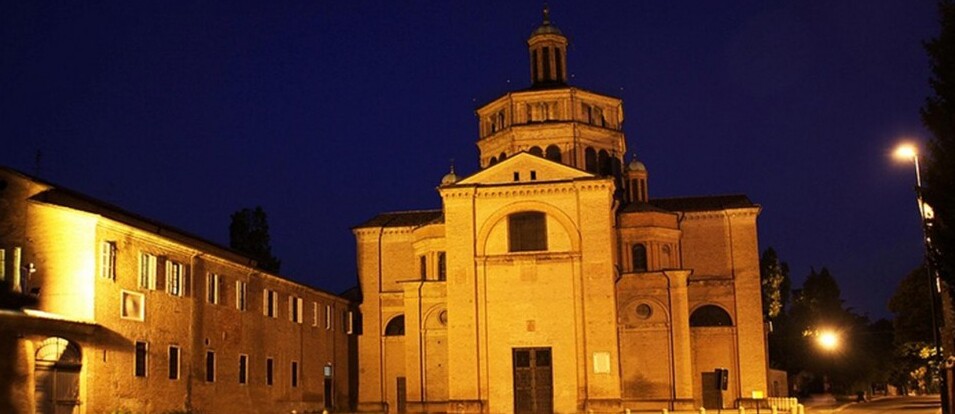
Erected on the initiative of a group of citizens who formed a fabbriceria, in the early years of the sixteenth century (1522-1528), the church stands on the area previously occupied by another sacred building (the sanctuary of Santa Maria di Campagnola), where a wooden image of the Madonna and Child dating back to the fourteenth century was venerated; here, according to tradition, Pope Urban II in 1095 announced his intention to ban the first Crusade in the Holy Land.The architect Alessio Tramello from Piacenza was the designer and director of the works.
Piacenza | Duomo - Piacenza | Secret World Trip Planner

The church has a central plan, according to a scheme quite widespread in recent years: it stands out for the harmony of the arrangement of spaces and volumes organized in an essential and balanced way; harmony that, in some way, will be altered at the end of the eighteenth century when structural interventions will lengthen one of the arms to give shape to the choir and the presbytery.

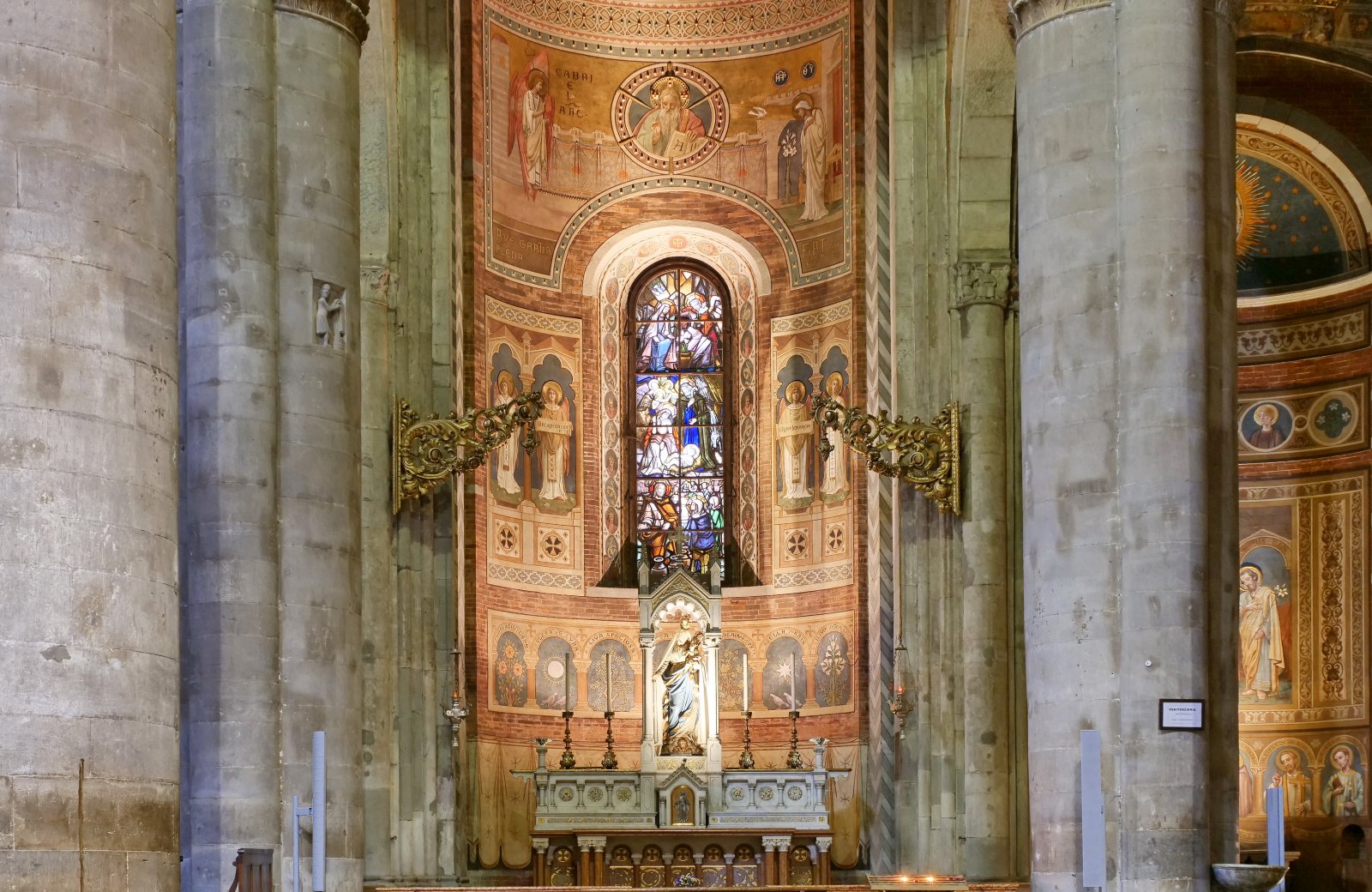
Exceptional are the decorations and frescoes that cover the interior. Among the artists who have worked there with cycles of great works, there is Antonio Sacchi called Pordenone. His, on the entrance wall, is St. Augustine and immediately afterwards the chapel of the Three Kings entirely frescoed by the artist as well as the subsequent chapel of St. Catherine. Above everything dominates the mighty complex of the dome that stands in the middle of the Greek cross: the lantern depicts the Eternal Father supported by a glory of angels from which descend characters and stories of Christianity; the frescoes are the work of Pordenone and Sojaro.
Piacenza | Duomo - Piacenza | Secret World Trip Planner

The marble floor in various colours is the work of the Milanese artist Giambattista Carrà (1595), the statue of Ranuccio I Farnese by Francesco Mochi (1616) is also remarkable.

🗺 AI Trip Planner 2026

Plan your visit to Piacenza

Suggested itinerary near Piacenza | Duomo

MAJ+
500.000+ travelers worldwide
  1. 🌅
    Morning
    Piacenza | Duomo
    📍 Piacenza
  2. ☀️
    Afternoon
    Basilica of Santa Maria di Campagna
    📍 0 km · Piacenza
  3. 🌆
    Evening
    Museum of the Risorgimento of Piacenza
    📍 1.3 km · Piacenza

Buy Unique Travel Experiences

Powered by Viator

See more on Viator.com

Explore nearby · Piacenza

Frequently Asked Questions

The Piacenza Duomo was designed and directed by local architect Alessio Tramello and constructed between 1522-1528 on the initiative of a group of citizens. The church was built on the site of a previous sacred building, the sanctuary of Santa Maria di Campagnola, which housed a revered fourteenth-century wooden image of the Madonna and Child.
The Duomo features a central plan with a Greek cross layout, characterized by harmonious arrangement of spaces and balanced volumes that create an essential and refined design. Structural interventions in the late eighteenth century extended one arm to create the choir and presbytery, slightly altering the original proportions.
The interior features exceptional decorations and frescoes by renowned artist Antonio Pordenone, including St. Augustine on the entrance wall, the completely frescoed Chapel of the Three Kings, and the Chapel of St. Catherine. The dome above the Greek cross displays Pordenone and Sojaro's masterpiece depicting the Eternal Father surrounded by angels with Christian scenes, while the floor features colorful marble work by Milanese artist Giambattista Carrà from 1595.
According to tradition, Pope Urban II announced his intention to launch the First Crusade from this location in 1095 at the previous sanctuary that stood on the same ground. The Duomo thus occupies a site of considerable religious and historical importance in Christian history.
A remarkable statue of Ranuccio I Farnese by the celebrated sculptor Francesco Mochi, created in 1616, is housed within the church. This sculpture represents an important example of Renaissance-era commemorative art and craftsmanship.