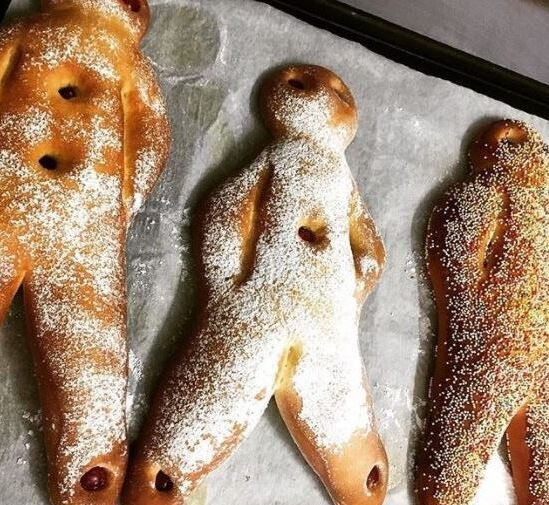

As the clock strikes midnight on New Year’s Eve, the enchanting region of Piedmont transforms into a canvas of celebration, rich with unique customs and delectable treats. Among the most cherished traditions is the Ciciu d'Capdan, a delightful cake that embodies the spirit of the season. Resembling bamboo in both shape and texture, this sweet delight holds a special place in the hearts of locals and visitors alike.
### History and Origins The Ciciu d'Capdan has roots that stretch far back into the cultural tapestry of Piedmont, particularly in the Cuneo province. The cake’s name translates to “New Year’s Eve cake,” and it has been a cherished gift exchanged between godparents and their godchildren since ancient times. Traditionally, on New Year’s Day, godfathers and godmothers bestow this treat upon their godchildren as a gesture of good wishes and blessings for the year ahead.
The origins of the Ciciu d'Capdan can be traced to local agricultural practices. The region’s bountiful produce allowed for the creation of this cake, with its simple yet rich ingredients reflecting the agrarian lifestyle of the past. Notably, in the Alessandria area, a variant known as Bragton-Braghettone shares similar characteristics, showcasing the regional variations in this beloved dessert.
### Art and Architecture While the Ciciu d'Capdan is a culinary masterpiece, the region itself is adorned with stunning art and architecture. The Piedmont landscape is punctuated with Baroque churches, such as the Basilica di Superga and the Cathedral of Asti, both of which offer breathtaking views of the surrounding countryside. The architecture reflects the rich history of the region, influenced by the House of Savoy, whose royal presence shaped much of Turin and its surroundings.
Artistic significance in Piedmont extends beyond architecture. The region is renowned for its contributions to Italian art, including the works of prominent artists like Caravaggio and Gian Lorenzo Bernini, whose influence can be felt in many local galleries and museums.
### Local Culture and Traditions Piedmont is a treasure trove of local culture and traditions. Beyond the Ciciu d'Capdan, the New Year celebrations are marked by lively festivities, often including fireworks, music, and communal gatherings. One noteworthy event is the “Festa di San Silvestro,” where locals gather to enjoy traditional foods, toast with sparkling wine, and share their aspirations for the new year.
In addition to culinary delights, the region celebrates the Fiera del Tartufo (Truffle Fair) in Alba, a testament to Piedmont's gastronomic heritage. This event, held every October, draws food lovers from around the world and highlights the region's famous white truffles.
### Gastronomy The culinary landscape of Piedmont is rich and diverse, with the Ciciu d'Capdan being just one of many delightful offerings. Traditional dishes like bagna cauda (a warm dip made with anchovies and garlic) and agnolotti (stuffed pasta) showcase the region's agricultural bounty. Barolo and Barbaresco, the exquisite wines produced in the nearby Langhe area, elevate any meal, making Piedmont a gastronomic haven.
During the New Year, it’s customary to enjoy a dish of lentils for good luck, symbolizing prosperity and wealth in the coming year. This practice is deeply rooted in local tradition and complements the sweetness of the Ciciu d'Capdan perfectly.
### Lesser-Known Curiosities While most visitors flock to the well-trodden paths of Turin and the vineyards of Langhe, there are hidden gems in Piedmont that often go unnoticed. For instance, the Ciciu d'Capdan is not just a cake; it carries with it stories of familial bonds and community spirit that are deeply ingrained in the culture.
An intriguing fact is that the cake’s bamboo shape is said to symbolize strength and resilience, reflecting the hopes of the people for the upcoming year. Furthermore, those who enjoy the cake often partake in a local tradition where they share personal resolutions, turning the act of eating into a communal experience of reflection and hope.
### Practical Visitor Information The best time to experience the festivities surrounding the Ciciu d'Capdan is during the New Year celebrations. Plan to arrive in Piedmont in late December to fully immerse yourself in the local customs. Visitors should not miss the bustling markets, where the cake is often sold alongside other festive treats.
For a rich experience, consider taking part in local cooking classes that focus on traditional Piedmontese cuisine. This not only allows for a deeper understanding of the region's food culture but also offers a chance to interact with locals and learn about their traditions firsthand.
With its rich history, stunning architecture, vibrant culture, and delectable cuisine, Piedmont offers travelers a unique glimpse into Italy’s heart and soul. Whether enjoying the Ciciu d'Capdan with friends or exploring the region's artistic heritage, each moment spent here is a celebration of life.
To make the most of your journey, consider using the Secret World app to craft a personalized AI itinerary tailored to your interests.
