
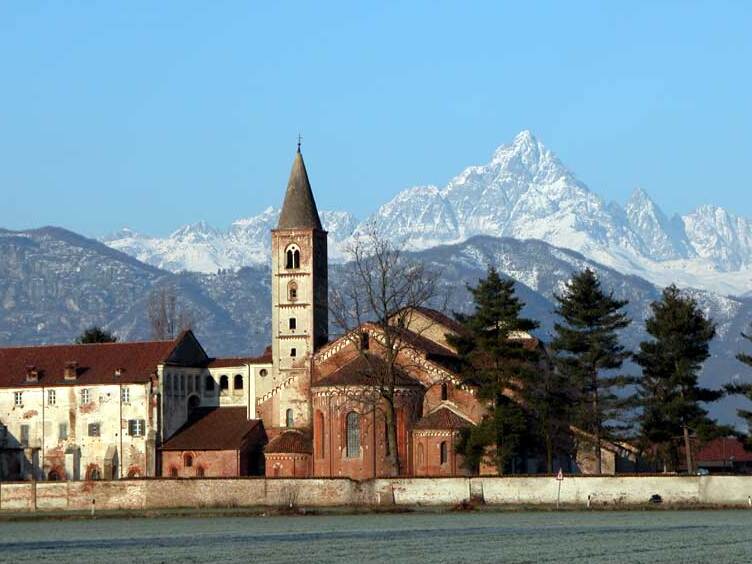

Nestled in the serene countryside of Staffarda, Italy, the Benedictine Cistercian Abbey offers a compelling glimpse into the past, a place where spirituality, agriculture, and art converge. Founded between 1122 and 1138, this abbey became a significant hub for commercial exchange, playing a crucial role in the economic and social landscape of the surrounding villages.
The abbey was established by monks from the Cistercian order, who were dedicated to a life of simplicity and manual labor. They transformed the once-barren land into fertile fields through extensive reclamation efforts, cultivating crops that would not only sustain the abbey but also the nearby communities. By the late 12th century, the abbey had become a vital center for the collection, processing, and exchange of agricultural products, earning civil and ecclesiastical privileges that solidified its importance in the region.
The abbey's history is not without its turmoil. In 1690, French forces destroyed significant parts of the structure, including archives and the library, leaving a palpable scar on its heritage. However, the resilience of the Cistercian monks shone through when Vittorio Amedeo II initiated restoration efforts from 1715 to 1734. This period of reconstruction was crucial in preserving the abbey's architectural integrity and aesthetic allure.
Architecturally, the Benedictine Cistercian Abbey of Staffarda is a stunning example of Romanesque design, characterized by its simple yet majestic lines. The abbey church is particularly noteworthy, adorned with a Polyptych by Pascale Oddone and a 16th-century wooden group depicting the Crucifixion. The intricate details of these artworks reflect the spiritual fervor of the period and provide insight into the religious sentiments of the time. Visitors can also explore the Cloister, which features elegant arches and serene gardens, perfect for contemplation. The Refectory houses remnants of a mural depicting the Last Supper, a testament to the artistic endeavors of the monks and their commitment to creating a sacred space.
Local culture thrives around the abbey, enriched by centuries of tradition. The nearby village celebrates various festivals that showcase the region's agricultural heritage. Festa di San Giovanni, celebrated in late June, is one such event where locals gather to honor the patron saint with processions, music, and traditional dances. These festivities foster a sense of community and serve as a reminder of the abbey's long-standing influence on the local way of life.
In terms of gastronomy, the area around Staffarda is known for its rich culinary traditions. Visitors can savor local delicacies such as toma cheese, produced from the milk of cows grazing in the nearby pastures, and bagna cauda, a warm dip made of garlic, anchovies, and olive oil, perfect for accompanying seasonal vegetables. The local wines, particularly those from the Langhe and Roero regions, offer delightful pairings that enhance the flavors of the cuisine, allowing visitors to experience the tastes that have developed alongside the abbey's history.
For those venturing beyond the obvious, there are lesser-known curiosities that make the abbey even more intriguing. One such detail is the ancient cypress trees within the abbey grounds, believed to be over 200 years old, which have silently witnessed the ebb and flow of history. Additionally, the abbey's acoustics are remarkable; the church is said to have an extraordinary sound quality, making it a favored venue for choral performances.
The best time to visit the Benedictine Cistercian Abbey of Staffarda is during the spring and early autumn months when the surrounding landscapes are lush and vibrant. Visitors should take the time to explore not only the abbey itself but also the picturesque trails that wind through the countryside. A stroll through the gardens and the cloister provides an opportunity to reflect on the serene atmosphere that the monks once nurtured.
As you plan your visit, consider making a day of it; the abbey is an ideal stop for those exploring the Piedmont region. It’s advisable to check for special events or guided tours that may enhance your understanding of this historical gem.
The Benedictine Cistercian Abbey of Staffarda stands not just as a monument of faith but as a living testament to the resilience of culture and community. It invites visitors to step back in time, immerse themselves in its beauty, and appreciate the harmony between nature and spirituality.
For a personalized experience of Staffarda and its hidden treasures, consider using the Secret World app to plan your itinerary.


