
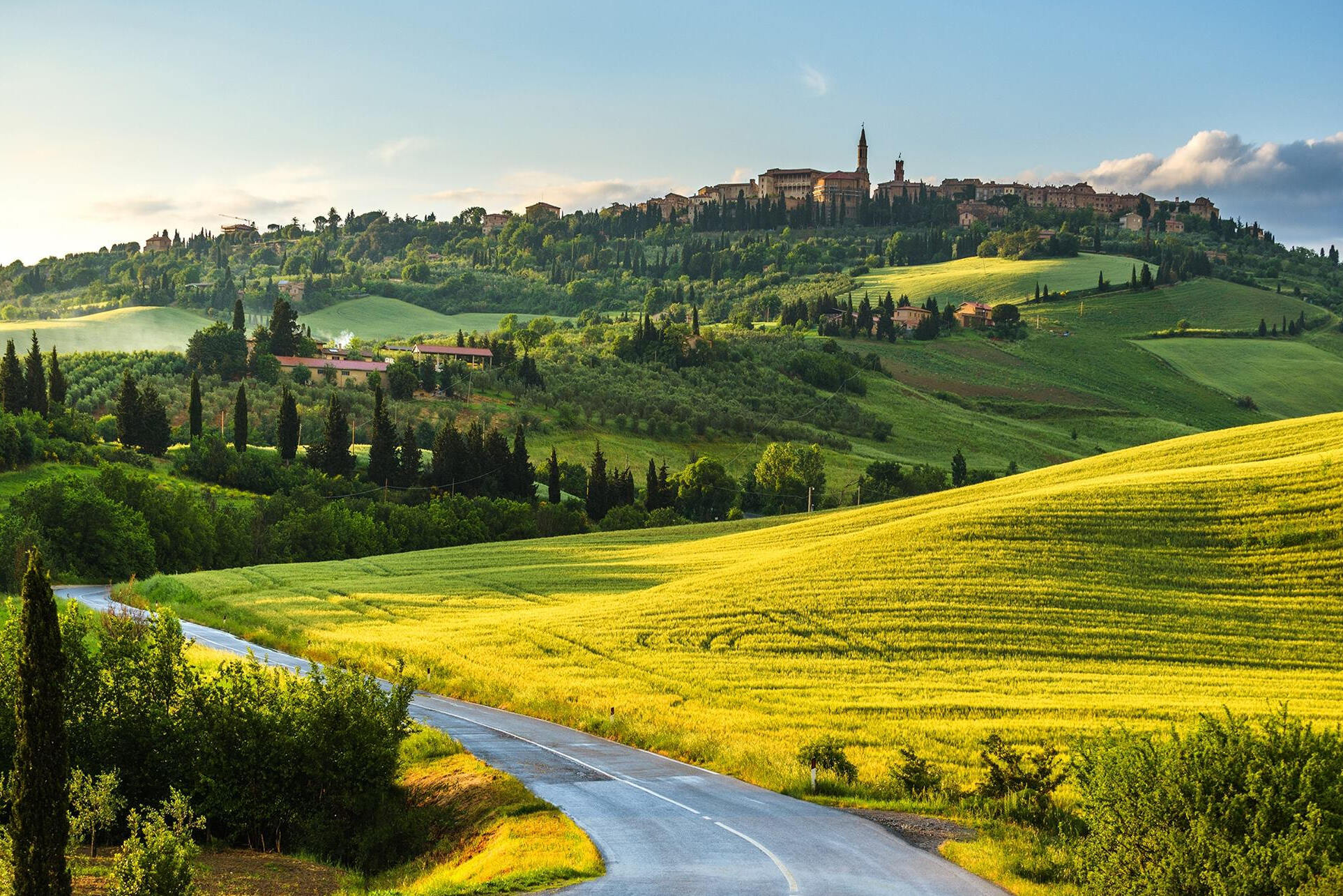

Nestled in the heart of Tuscany, Pienza offers a journey back in time, where medieval alleys whisper stories of the past and the landscape unfolds like a Renaissance painting. This charming town, perched atop a hill, is more than just a scenic spot; it's a testament to a vision of urban perfection from the 15th century.
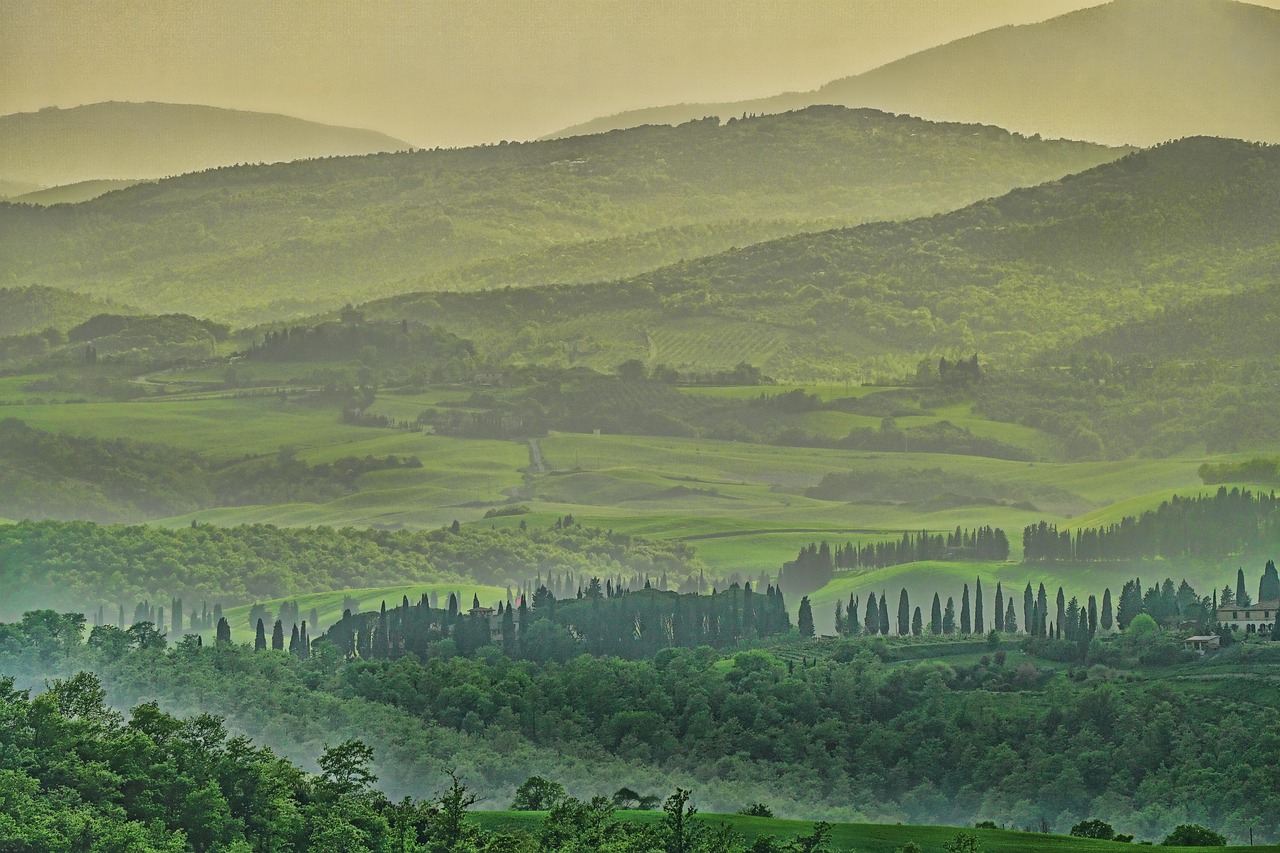
History and Origins Founded in 1459 by Pope Pius II, Pienza was originally a small village known as Corsignano. The Pope, born Enea Silvio Piccolomini, sought to transform his birthplace into the ideal Renaissance city. Under the guidance of architect Bernardo Rossellino, Pienza became a pioneering example of Renaissance urban planning. Its transformation was swift yet profound, setting a precedent for future developments in urban design across Italy.
Art and Architecture Pienza's architectural style is a harmonious blend of Renaissance elegance and medieval fortitude. The Cathedral of Santa Maria Assunta, with its striking façade and beautiful altarpiece by Sano di Pietro, stands at the heart of the town. Palazzo Piccolomini, the Pope's former residence, showcases exquisite Renaissance architecture and offers breathtaking views of the Val d'Orcia. Wander through the Palazzo Borgia and its museum, where sacred art and historical artifacts provide a glimpse into the region’s rich artistic heritage.
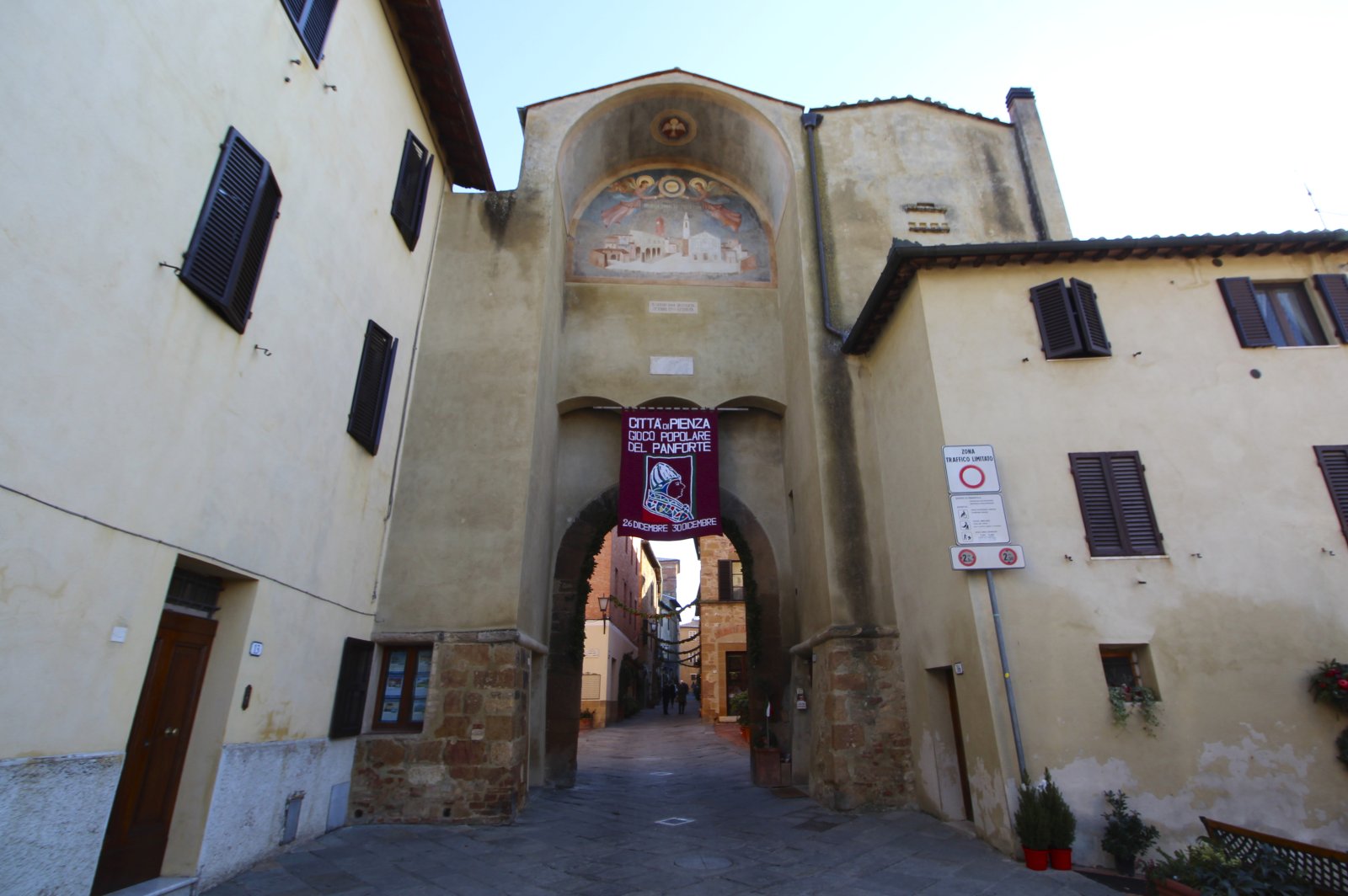
Local Culture and Traditions Life in Pienza is punctuated by vibrant festivals that celebrate its history and agricultural bounty. The Cacio al Fuso, a cheese-rolling competition held every September, is a nod to the town's famous Pecorino cheese. This event brings locals together in a lively display of skill and camaraderie. The town also hosts the Pienza and the Flowers festival in May, transforming its streets into a colorful tapestry of blooms.
Gastronomy The culinary scene in Pienza is a feast for the senses. Central to its gastronomy is Pecorino di Pienza, a sheep’s milk cheese with a distinctive tang. Enjoy it with local honey or savor it as part of a traditional meal. Pair your cheese with a glass of Vino Nobile di Montepulciano, a robust red wine from nearby vineyards, to experience the true taste of the region.
Lesser-Known Curiosities One of Pienza's hidden gems is the Pieve di Corsignano, an ancient parish church just outside the town. Dating back to the 7th century, it boasts unique Lombard-style sculptures and a crypt that exudes mystery. Another curiosity is the town's strategic layout; its streets are named for virtues such as Via dell’Amore (Street of Love) and Via del Bacio (Street of the Kiss), reflecting the humanist ideals of its founder.
Practical Visitor Information The best time to visit Pienza is during the spring or fall when the weather is mild and the crowds are sparse. While exploring, look for the intricate details carved into the town's buildings, each telling a story of its illustrious past. Consider staying overnight to experience the town's serene beauty at dusk and dawn. For a truly immersive experience, engage with locals over a meal or join a guided tour to learn more about the town’s history and culture.
For a personalized itinerary to explore the hidden treasures of Pienza, consider using the Secret World app to plan your visit.


