
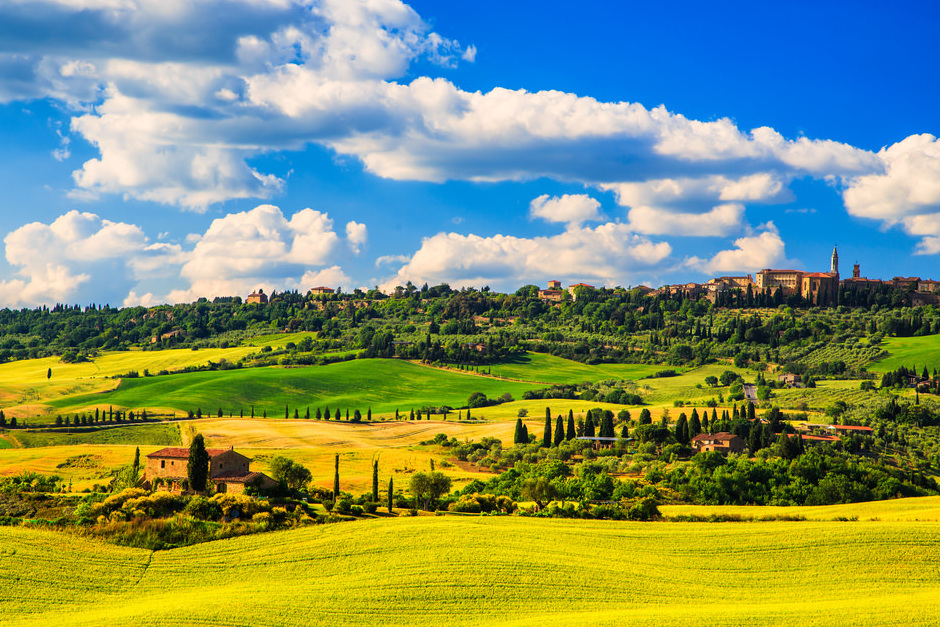

Nestled in the rolling hills of southern Tuscany, Pienza is a village that feels like a step back in time, where Renaissance ideals meet the serene beauty of the Val d'Orcia. This small yet significant town offers a breathtaking view of the surrounding landscape, making it not only a feast for the eyes but also a cradle of history and culture.
The origins of Pienza date back to the 15th century, when it was known as Corsignano. Its transformation into a model of Renaissance architecture was spearheaded by Enea Silvio Piccolomini, who later rose to prominence as Pope Pius II. In 1459, driven by a vision of creating a utopian city that mirrored the ideals of classical antiquity, Piccolomini commissioned Bernardo Rossellino to redesign his hometown. Within three years, a stunning ensemble of buildings emerged, setting a new standard for urban planning and aesthetics.
The architectural style of Pienza is a brilliant amalgamation of Renaissance ideals and the local landscape. The town's centerpiece, Pienza Cathedral, showcases a harmonious blend of Gothic and Romanesque elements, with its elegant façade and stunning interior frescoes. The Palazzo Piccolomini, the papal residence, boasts splendid gardens that overlook the valley, reflecting the Renaissance focus on nature and beauty. The Piazza Pio II, the town square, is surrounded by these architectural gems, inviting visitors to pause and appreciate the artistic significance of this ideal city.
Pienza is not only a marvel of architecture but also a vibrant hub of local culture and traditions. The town celebrates several festivals throughout the year, with the Cacio e Vino Festival in late August being a highlight. This event pays homage to the region’s famous cheese, Pecorino di Pienza, and local wines, allowing visitors to savor the authentic flavors of Tuscany. The warm hospitality of the locals enhances the experience, as they proudly share their customs, including the traditional craft of cheese-making.
When it comes to gastronomy, Pienza stands out with its rich culinary heritage. The Pecorino cheese, made from sheep's milk and often aged in local caves, is a must-try. Pair it with a glass of Vino Nobile di Montepulciano, a robust wine that complements the nutty flavors of the cheese beautifully. Other local delicacies include pici (hand-rolled pasta) served with rich sauces, and cantucci, almond biscuits perfect for dipping in Vin Santo, a sweet dessert wine.
As you stroll through the cobblestone streets, be on the lookout for lesser-known curiosities that reveal the town's character. For instance, the Palazzo Piccolomini is said to have a secret staircase that leads to hidden rooms, once used by the Pope’s advisors. Additionally, Pienza is home to the charming Chiesa di San Francesco, where visitors will find a stunning fresco of St. Francis, an embodiment of the town's spiritual significance.
The best time to visit Pienza is during the spring and early autumn months, when the weather is mild and the landscape bursts with color. April through June and September through October are ideal for exploring the scenic countryside and enjoying outdoor festivals. While wandering the town, don’t miss the opportunity to sample local cheeses at the quaint shops lining the streets, where vendors are eager to share their expertise.
For a more immersive experience, take time to engage with the locals, who are often more than willing to share stories about Pienza’s rich history. Ask about the Piccolomini family, whose legacy continues to influence the town today. Keep your eyes peeled for the charming Via dell'Amore, a narrow street adorned with flowers and quaint windows, where you can find hidden art and local crafts.
As your journey through Pienza concludes, you’ll leave not just with memories of stunning vistas and delectable flavors, but with a deeper appreciation for the ideals that shaped this remarkable village. For those looking to curate their own personalized experience in this enchanting location, consider using the Secret World app to plan your itinerary.


