
← Back

Pieve San Pietro

52024 Gropina AR, Italia ★★★★☆ 216 views
Rossella Milone
Gropina
🏆 AI Trip Planner 2026

Get the free app

Discover the best of Gropina with Secret World — the AI trip planner with 1M+ destinations. Get personalized itineraries, hidden gems and local tips. Free on iOS & Android.

🧠 AI Itineraries 🎒 Trip Toolkit 🎮 KnowWhere Game 🎧 Audio Guides 📹 Videos
Download on the App Store Get it on Google Play
Scan to download Scan to download
Pieve San Pietro - Gropina | Secret World Trip Planner

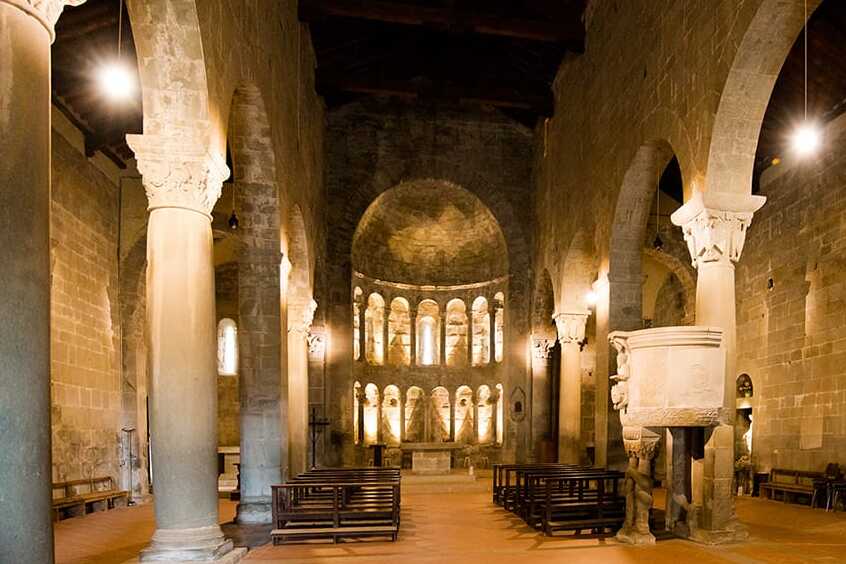
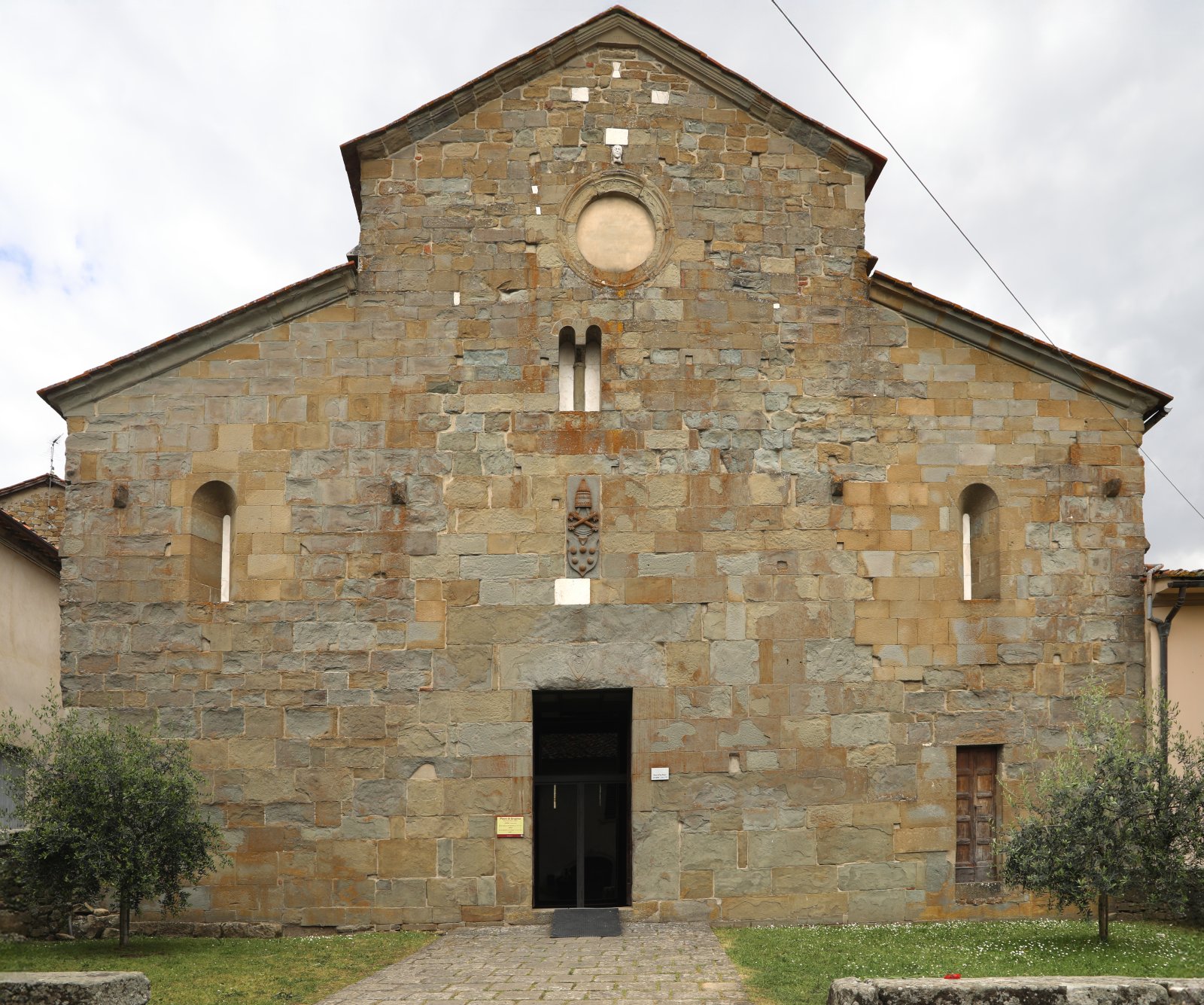
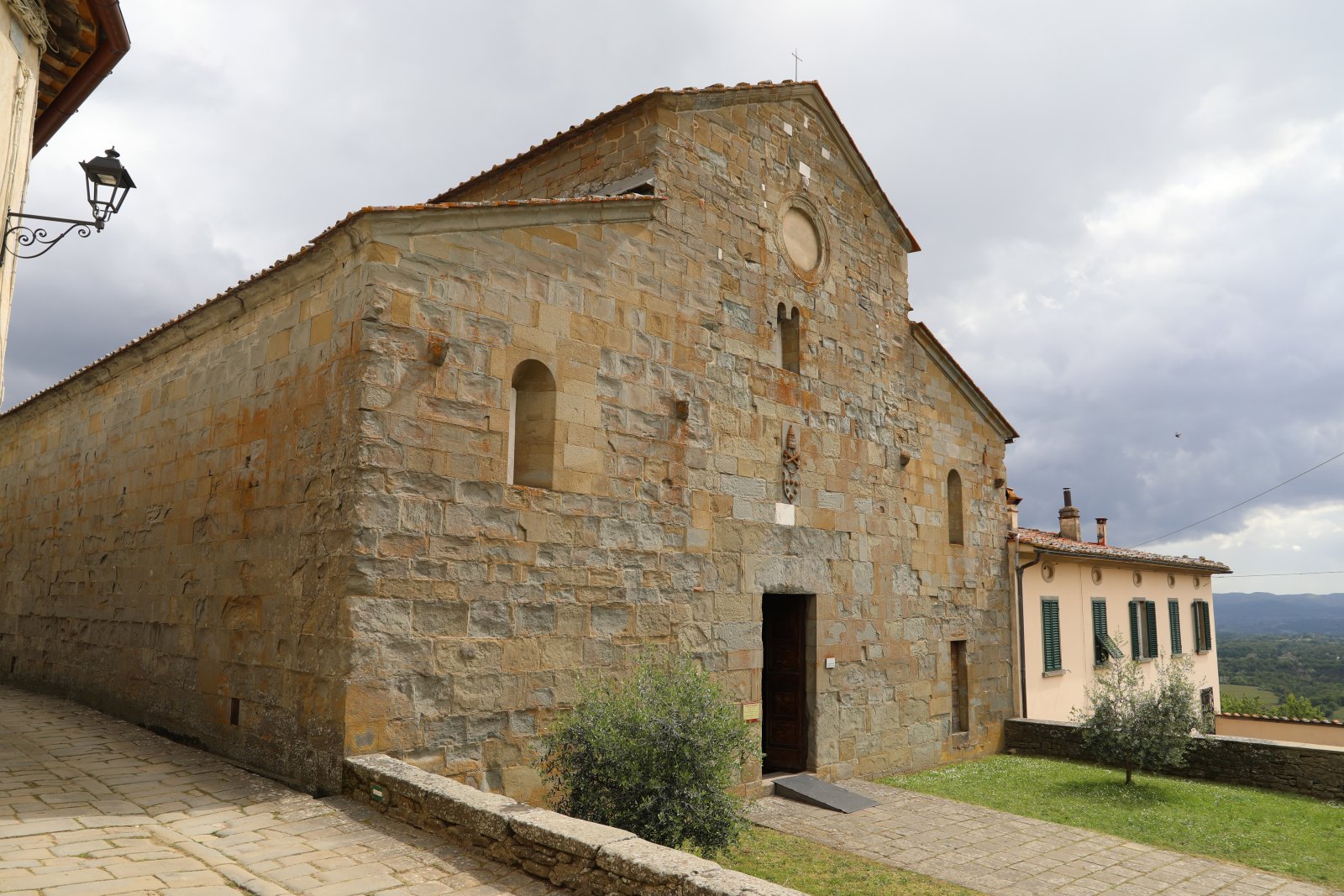
About two kilometres from Loro Ciuffenna (Ar), after a detour on the Setteponti road, is the tiny village of Gropina. with the oldest Romanesque parish church in Valdarno, dedicated to St. Peter and declared a national monument whose first records date back to the year 780. The church, 45 m. long and 17 m. wide, was built on the route of the ancient Roman road between Arezzo and Fiesole, which was moved upstream compared to the current Via dei Sette Ponti. A popular legend that has come down to our days says that on the hill where the church is located, in pre-Christian times there was built a pagan temple dedicated to the goddess Diana, daughter of Jupiter and Latona and sister of Apollo. The place-name "Gropina" is probably of Etruscan origin and the present temple, built in the Romanesque period in the 12th century, is known throughout Italy by lovers of art, history and religious architecture. It presents itself with a façade in large stone drafts, with two single-lancet windows that correspond to the aisles and a mullioned window that overlooks the entrance door. On the architrave of the door you can see the date 1422, probably referable to one of the restoration interventions, and the coat of arms of Leo X which bears the date 1522. As soon as you enter, you are greeted by two rows of columns that divide the naves and support the classical seven vaults, a detail common to almost all the parish churches of this period as it is a biblical number. The number seven is considered sacred because it is the symbol of God through which his perfection and completeness is proclaimed: it indicates the seventh day where he rested, that is the Sabbath, after the six days of creation. The three aisles are divided with particular capitals: in the left-hand columns tell episodes from the Old and New Testaments, in the right-hand columns the figures recall pre-Christian, Etruscan and Oriental art, while the nave is covered by a gabled roof supported by wooden trusses. The apse of the church is semicircular, with a double order of small columns.
Pieve San Pietro - Gropina | Secret World Trip Planner
🗺 AI Trip Planner

Plan your visit to Gropina

Suggested itinerary near Pieve San Pietro

MAJ+
500.000+ travelers worldwide
  1. 🌅
    Morning
    Pieve San Pietro
    📍 Gropina
  2. ☀️
    Afternoon
    San Pietro or Pieve di Gropina
    📍 0 km da Gropina
  3. 🌆
    Evening
    Parish church of San Pietro in Gropina
    📍 0 km da Gropina

Buy Unique Travel Experiences

Powered by Viator

See more on Viator.com

Explore nearby · Gropina

Frequently Asked Questions

Pieve San Pietro is located in the tiny village of Gropina, about two kilometres from Loro Ciuffenna (Ar), accessible via a detour on the Setteponti road. The church sits on the route of the ancient Roman road that once connected Arezzo and Fiesole, making it easily reachable for visitors exploring the Valdarno region.
Pieve San Pietro is the oldest Romanesque parish church in Valdarno, with its first records dating back to 780 AD, and it has been declared a national monument. The church was built in the 12th century on a site where legend says a pagan temple dedicated to the goddess Diana once stood in pre-Christian times.
The interior features two rows of columns dividing the three aisles and supporting seven classical vaults, a detail representing the biblical sacred number seven. The columns display different artistic styles: the left-hand columns depict Old and New Testament episodes, while the right-hand columns showcase pre-Christian, Etruscan and Oriental art figures.
On the architrave of the door, you can see the date 1422, which likely refers to restoration work, and the coat of arms of Leo X bearing the date 1522, indicating another significant intervention during the Renaissance period. These markings provide valuable historical documentation of the church's preservation over centuries.
The church measures 45 meters long and 17 meters wide, featuring a façade constructed with large stone drafts and decorated with two single-lancet windows and a mullioned window above the entrance door. The nave is covered by a gabled roof supported by wooden trusses, creating a distinctive Romanesque structure known throughout Italy among art and architecture enthusiasts.
