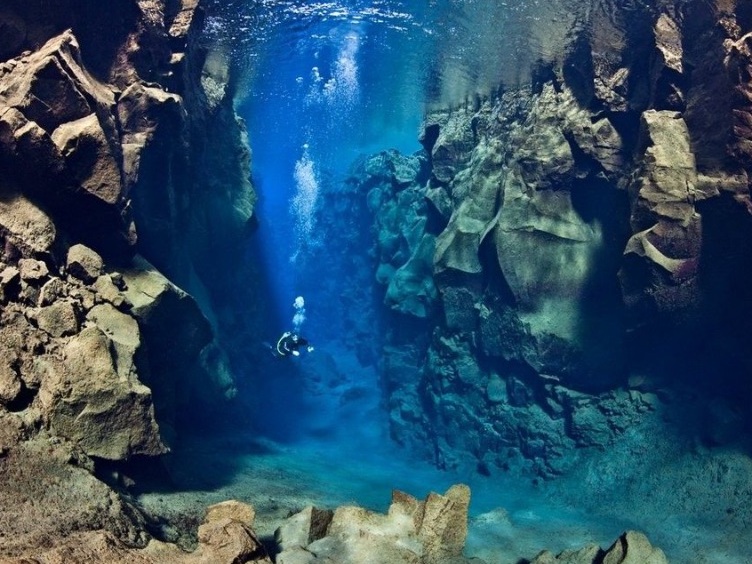
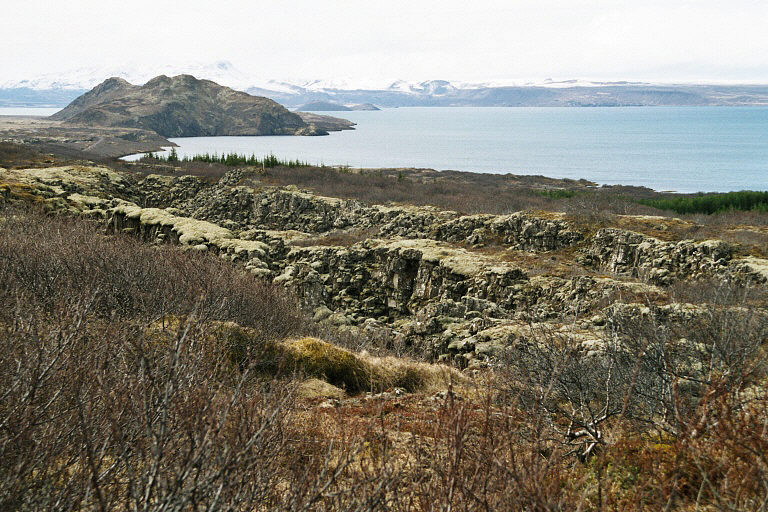

Nestled amidst the dramatic landscapes of Iceland, Þingvallavatn Lake captivates visitors with its pristine beauty and rich history. This remarkable body of water, the largest natural lake in Iceland, is a testament to both the geological wonders of the region and the profound cultural heritage that surrounds it.
### History and Origins
The history of Þingvallavatn is deeply intertwined with that of Þingvellir National Park, where it is located. Established in 1930, Þingvellir is Iceland’s oldest national park and has been designated a UNESCO World Heritage Site since 2004. This area holds a pivotal place in Icelandic history as the site of the Althing, one of the world’s oldest parliaments, founded around 930 AD. Here, chieftains would gather annually to discuss laws and resolve disputes, setting the foundation for Iceland's democratic governance.
The lake itself is positioned on the Mid-Atlantic Rift, a tectonic boundary that not only shaped the island’s rugged terrain but also influenced its settlement patterns. The geological activity that created Þingvallavatn continues to shape the area today, offering visitors a glimpse into the Earth’s dynamic processes.
### Art and Architecture
While Þingvallavatn may not boast grand architectural structures, the surrounding area is rich in artistic significance. The landscape has inspired many local artists, photographers, and writers who seek to capture the ethereal beauty of the lake and its surroundings. The nearby Lögberg (Law Rock), where the Althing convened, is a historic site that embodies Icelandic identity and culture.
Visitors can also find the Church of Þingvellir, a quaint white structure built in 1859, which reflects traditional Icelandic architecture. Its simple yet striking design harmonizes with the natural surroundings, serving as a reminder of the deep-rooted connection between the Icelandic people and their land.
### Local Culture and Traditions
The culture surrounding Þingvallavatn is steeped in Icelandic traditions. The area is a symbol of national pride and identity, often celebrated during the annual Þjóðhátíð festival, which includes traditional music, dancing, and storytelling. These cultural events honor the legacy of the Althing and the rich folklore that permeates Icelandic history.
Icelanders also celebrate Þorrablót, a midwinter festival dedicated to honoring old Norse customs. Participants partake in traditional foods, such as hákarl (fermented shark) and svið (singed sheep’s head), which reflect the resourcefulness and resilience of the Icelandic people throughout history.
### Gastronomy
When visiting Þingvallavatn, you cannot miss the opportunity to savor local culinary delights. The region is known for its fresh fish, particularly Arctic Char and Brown Trout, both of which thrive in the clear waters of the lake. Many restaurants in nearby Selfoss and Reykjavik serve dishes that highlight these local catches, often prepared with simple, fresh ingredients that allow the flavors to shine.
In addition to seafood, traditional Icelandic lamb dishes are a must-try. The highland sheep graze on the diverse flora of the region, resulting in meat that is tender and flavorful. Pair your meal with a glass of Icelandic craft beer or the unique spirit, Brennivín, known colloquially as "Black Death," for a true taste of local culture.
### Lesser-known Curiosities
While many visitors flock to Þingvallavatn for its stunning vistas and rich history, some intriguing details often go unnoticed. For instance, the lake is home to four distinct morphs of Arctic Char, an evolutionary marvel that scientists study to understand how species adapt to isolated environments. This fascinating biological diversity is a living testament to the lake's pristine ecosystem.
Another hidden gem is the underwater geothermal activity that occurs just below the lake’s surface. In some areas, the waters are noticeably warm, creating unique microhabitats that support various life forms. This phenomenon is not only a curiosity but highlights the dynamic interplay between geology and biology in this remarkable region.
### Practical Visitor Information
The best time to visit Þingvallavatn is during the summer months, from June to August, when the weather is milder, and the days are long. This season offers ideal conditions for hiking and exploring the surrounding national park, where trails wind through unique geological formations and provide breathtaking views of the lake.
Visitors should also consider bringing binoculars for birdwatching, as the area is home to a variety of species, including the elegant Arctic Tern and the striking Harlequin Duck. Additionally, don’t forget to pack a camera to capture the stunning sunrises and sunsets that paint the sky over the lake.
For those looking to create a personalized itinerary, using the Secret World app can help you discover hidden gems and plan your visit around your interests.
