
← Back

Plebiscite Square

Piazza del Plebiscito, 80132 Napoli, Italia ★★★★☆ 194 views
Rania Mertz
Napoli
🏆 AI Trip Planner 2026

Get the free app

Discover the best of Napoli with Secret World — the AI trip planner with 1M+ destinations. Get personalized itineraries, hidden gems and local tips. Free on iOS & Android.

🧠 AI Itineraries 🎒 Trip Toolkit 🎮 KnowWhere Game 🎧 Audio Guides 📹 Videos
Scan to download iOS / Android
Scan for AppGallery Huawei users

About Plebiscite Square

Plebiscite Square - Napoli | Secret World Trip Planner

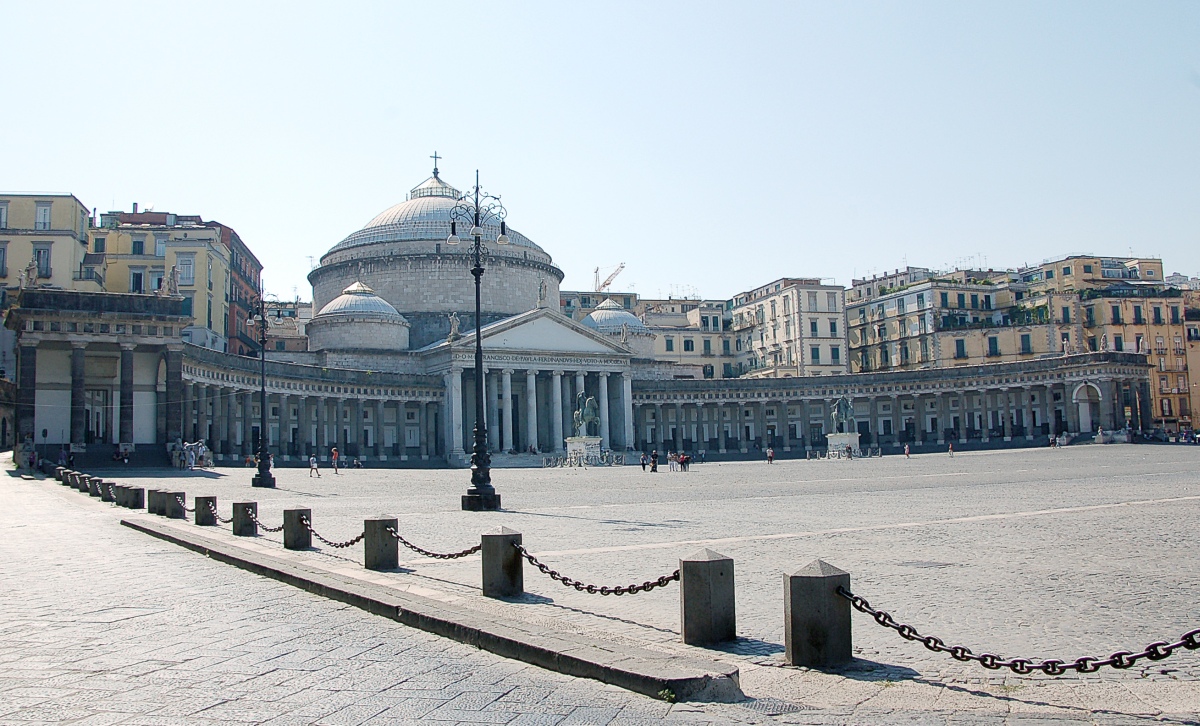
It took on its present conformation only from the late eighteenth century onward, with the construction of the Doric order.Salerno Palace (late eighteenth century), the Prefecture Palace (1815), and the scenic hemicycle portico
Plebiscite Square - Napoli | Secret World Trip Planner

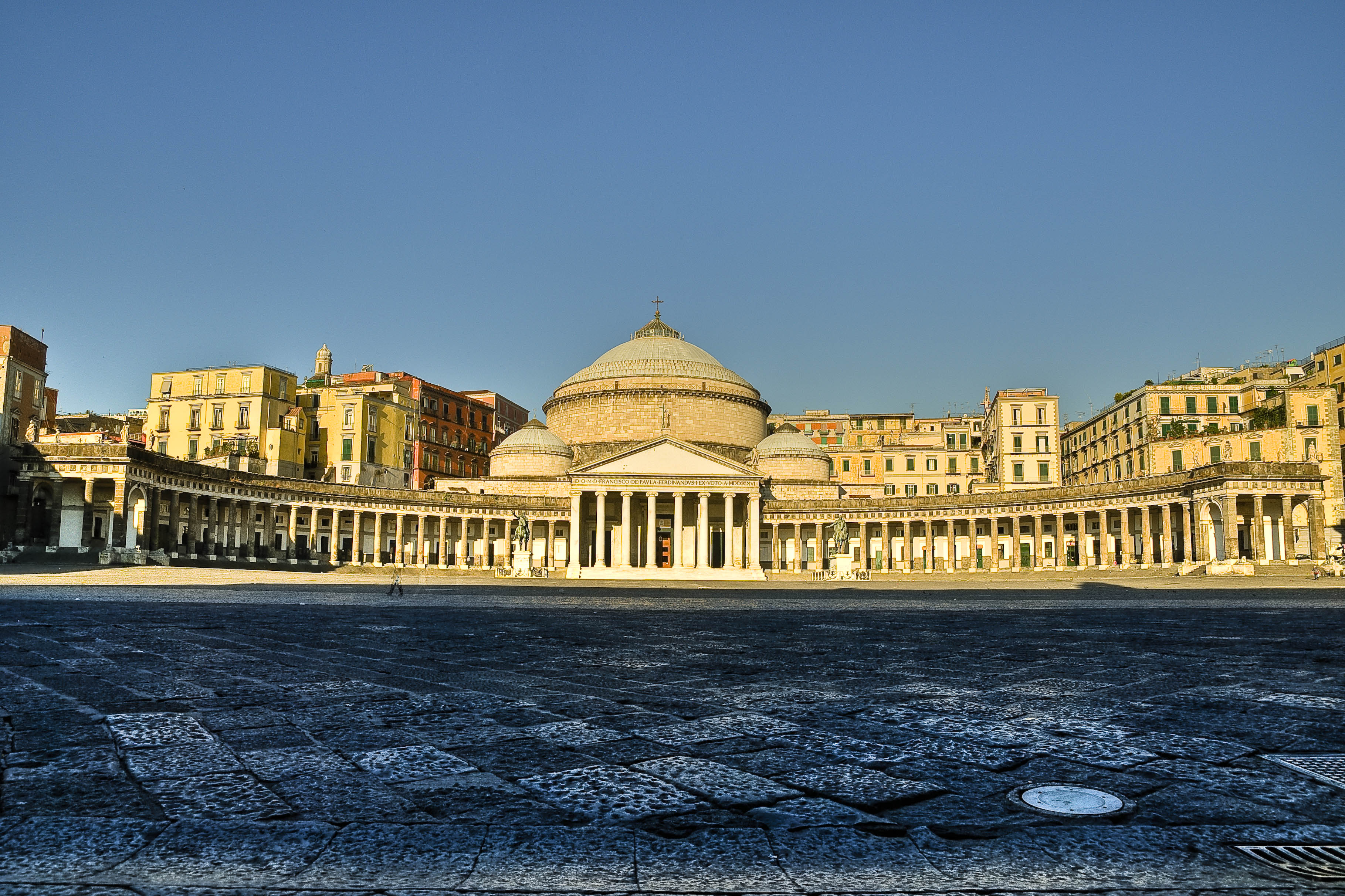
The portico, built in 1809 by Joachim Murat, was complemented in the center a few years later by the monumental basilica of St. Francis of Paola, erected at the behest of Ferdinand I in fulfillment of a vow to reconquer the kingdom of Naples. The church dominates the square with its imposing neoclassical façade - modeled after the Pantheon in Rome - and its large dome, which rises on the high cylindrical drum.

A pronaos with six columns and two Ionic pilasters, surmounted by a triangular tympanum, precedes the church façade. On the opposite side, facing the sea, the square's backdrop is the Royal Palace, built in 1600-02 by Domenico Fontana by order of Viceroy Ferrante di Castro. Dating from the original construction are the facade on the square-although the arcades of the portico were alternately filled in by Vanvitelli, for static reasons, in the late 18th century-and the courtyard of honor. The rest of the palace was first transformed by Joachim Murat and Caroline Bonaparte with the addition of neoclassical decorations and furnishings, some of which came from the Tuileries, and was later restored after a fire by Ferdinand II, who enriched the monumental staircase with decorations and created the hanging garden on the southern front (1837).

Plebiscite Square - Napoli | Secret World Trip Planner

At the focal points of the elliptical square are the two equestrian statues, in bronze, of Charles III of Bourbon, progenitor of the lineage - the work of Antonio Canova - and Ferdinand I, his son. Particularly scenic is the view of Vesuvius - in the image even whitewashed by snow - framed between the Royal Palace and the Prefecture Palace.

🗺 AI Trip Planner 2026

Plan your visit to Napoli

Suggested itinerary near Plebiscite Square

MAJ+
500.000+ travelers worldwide
  1. 🌅
    Morning
    Plebiscite Square
    📍 Napoli
  2. ☀️
    Afternoon
    Naples | Caffè Gambrinus: One of the most beautiful bars in Italy
    📍 0 km · Napoli
  3. 🌆
    Evening
    Artichoke Fountain - Naples
    📍 0.1 km · Napoli

Buy Unique Travel Experiences

Powered by Viator

See more on Viator.com

Explore nearby · Napoli

Frequently Asked Questions

The Basilica of St. Francis of Paola dominates the square with its impressive neoclassical façade modeled after the Pantheon in Rome. It was erected by order of Ferdinand I in fulfillment of a vow to reconquer the kingdom of Naples, and its large dome rises dramatically from a high cylindrical drum.
The scenic hemicycle portico was built in 1809 by Joachim Murat and later complemented by the monumental basilica of St. Francis of Paola a few years later. The portico features the distinctive Doric order architecture that characterizes the square's present appearance.
Two impressive equestrian bronze statues are positioned at the focal points of the elliptical square: one of Charles III of Bourbon, created by the renowned sculptor Antonio Canova, and another of Ferdinand I, his son. These monuments celebrate the royal lineage that shaped Naples' history.
The most scenic view is of Mount Vesuvius framed between the Royal Palace and the Prefecture Palace, creating a dramatic natural backdrop for photographs. This view is particularly striking during winter when snow caps the volcano.
The Royal Palace was originally constructed in 1600-02 by Domenico Fontana and features the original façade overlooking the square. It was later transformed with neoclassical decorations by Joachim Murat and Caroline Bonaparte, and after a fire, Ferdinand II restored it in 1837, adding a decorative monumental staircase and a hanging garden on the southern front.
