
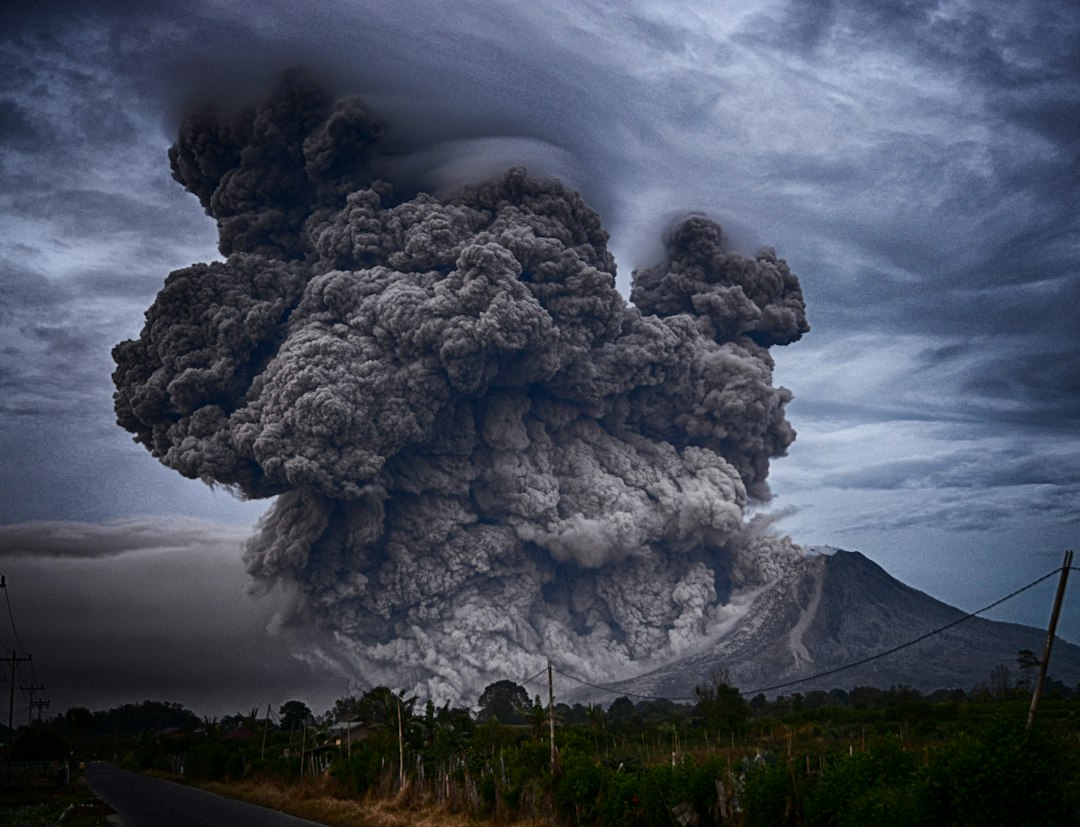

At just over 2,700 meters above sea level, the air smells of sulfur and the ground around the edge of the crater is lunar, barren, ash-colored. The Poás Volcano National Park, in the province of Alajuela in Costa Rica, is home to one of the largest active volcanic lakes in the world: a basin of hypersaturated sulfuric acid that changes color — from lead gray to bright jade green — depending on the intensity of the underground volcanic activity. It is not a place that is easily forgotten.
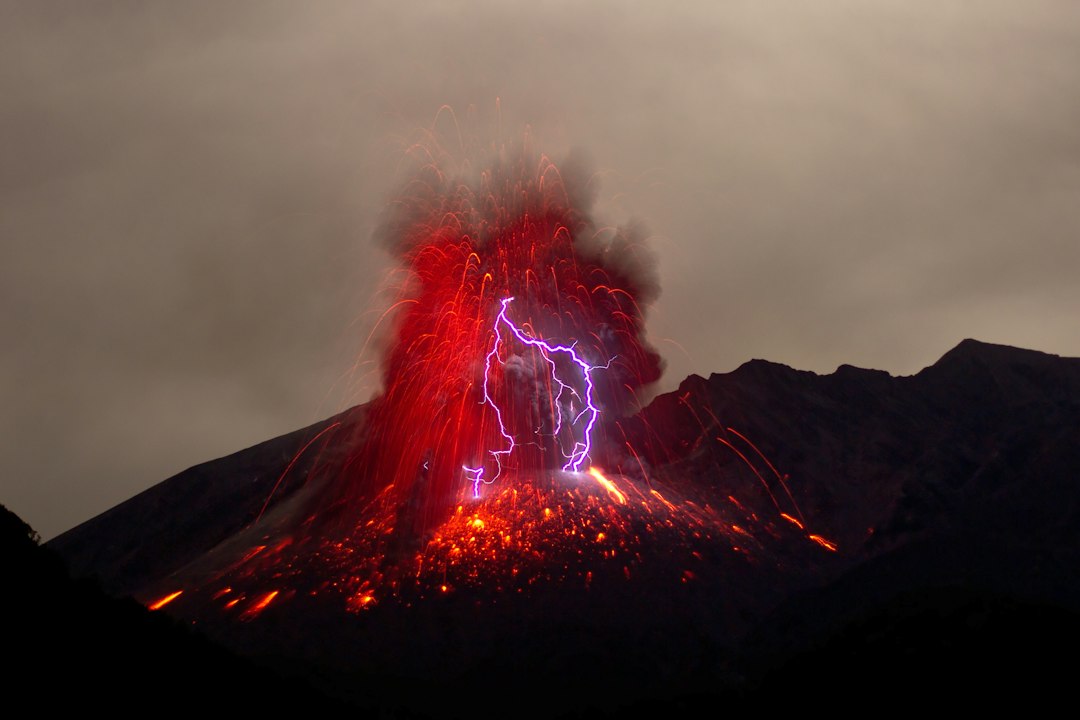
The Poás volcano is one of the most monitored in Central America. It has a long history of eruptions, including the particularly violent one in 2017 that forced the park to close for almost an entire year. When the park reopened in 2019, it did so with new safety infrastructure and a controlled access system that makes the visit more regulated but also more intense, almost exclusive.
The main crater: a landscape from another planet
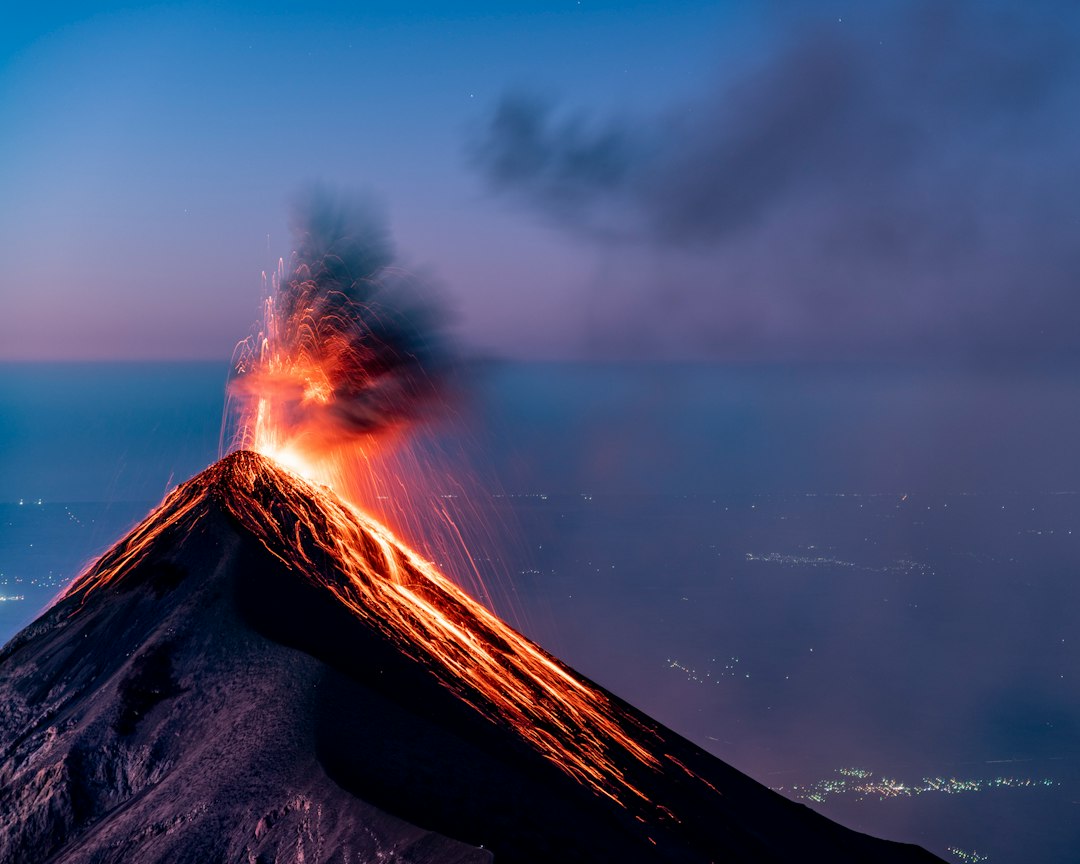
From the visitor center, a paved path of about 800 meters leads directly to the edge of the main crater, called Active Crater. The walk is short but the altitude is felt: even trained hikers slow down. Upon reaching the viewpoint, one is faced with a chasm over a kilometer wide, with sheer walls of volcanic rock and in the center, the acid lake, which bubbles slowly emitting whitish vapors.
The color of the lake is the detail that leaves one speechless. During periods of low activity, it tends towards turquoise or emerald green. When activity increases, it becomes dull gray, almost metallic. This variation depends on the concentration of sulfur and the temperature of the water, which can exceed 40 degrees Celsius. Staying at the viewpoint for even just ten minutes with a headwind means tasting the acrid flavor of volcanic gases in the throat: for this reason, the park distributes masks to visitors at the entrance.
How to get there and when to visit
The park is located about 37 kilometers north of San José, the Costa Rican capital. By car, the journey takes about an hour and a half, traveling along roads that rise through coffee and strawberry plantations typical of the central highlands. There are also numerous organized tours departing in the morning from San José, which represent the most convenient option for those who do not rent a car.
The most important practical advice: arrive by 9 in the morning. Poás is famous for the low clouds that, starting from late morning, completely envelop the crater making it invisible. It is not uncommon for tourists arriving after 10 to find only a white blanket where the lake should be. The park opens at 8:00 AM and entry is limited, so it is advisable to book the ticket online in advance on the official SINAC (National System of Conservation Areas) website. The ticket cost for foreign visitors is around 15-20 US dollars.
The Botos Crater and the Cloud Forest
Few visitors know it, but the park hosts a second crater, called Botos, which is also reachable on foot from the visitor center in about 30-40 minutes. Unlike the main crater, Botos has been dormant for thousands of years and its lake is clear, cold, and surrounded by dense vegetation. The ecosystem that envelops it is the so-called cloud forest, or foggy woods: trees covered in moss and lichens, tree ferns, wild orchids growing among the exposed roots.
The contrast between the two craters is extraordinary and alone justifies an extended visit to the park. On one side, the desolate and smoking landscape of the active volcano, on the other, a humid and silent forest that seems to belong to another dimension. Walking between the two environments in a single morning is an experience hard to replicate elsewhere.
What to bring and what to expect
The altitude of Poás — over 2,700 meters — means cool temperatures even in the middle of the dry season. A sweater or a waterproof jacket is essential, as well as comfortable shoes with non-slip soles for the wet trails. Masks are distributed at the entrance of the park, but bringing your own FFP2 type mask is a smart precaution, especially on days of higher volcanic activity.
The complete visit — main crater, Botos crater, and visitor center with its small educational exhibit on local geology — takes about three hours. There are no restaurants inside the park, but near the entrance, there are some sodas, the typical Costa Rican eateries, where you can have breakfast or lunch with local dishes before or after the visit. Bringing enough water is always a good idea.


