
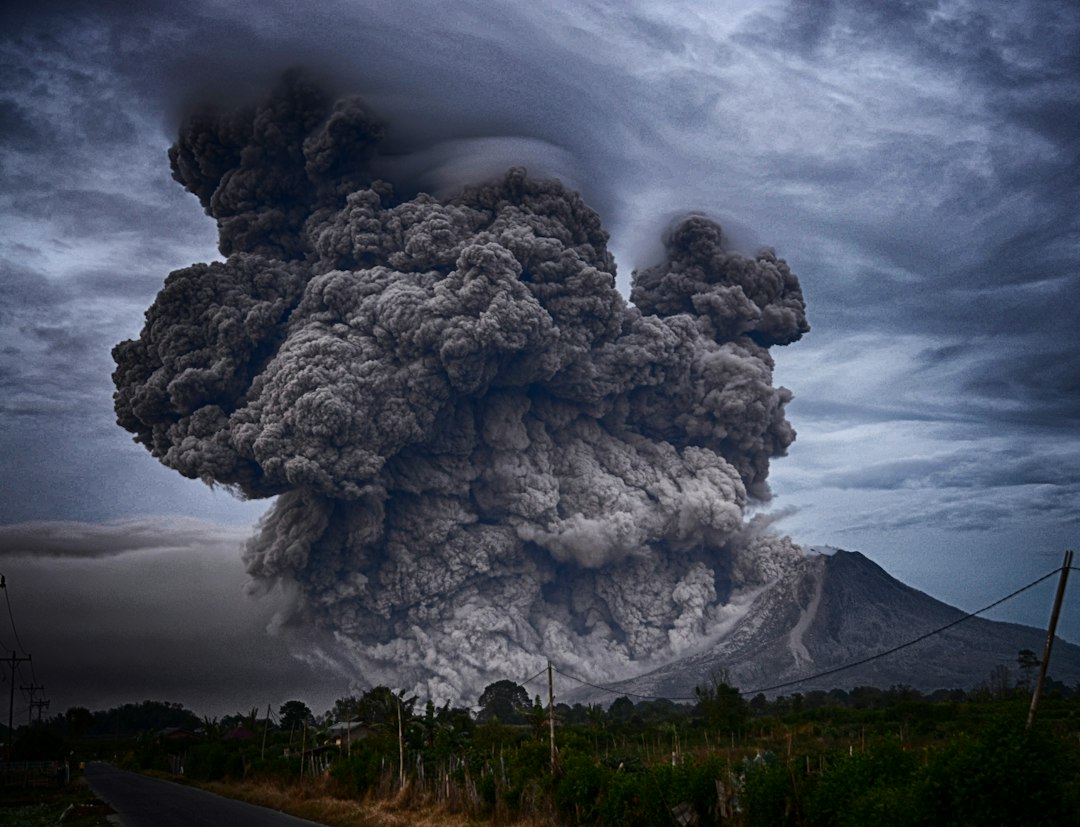

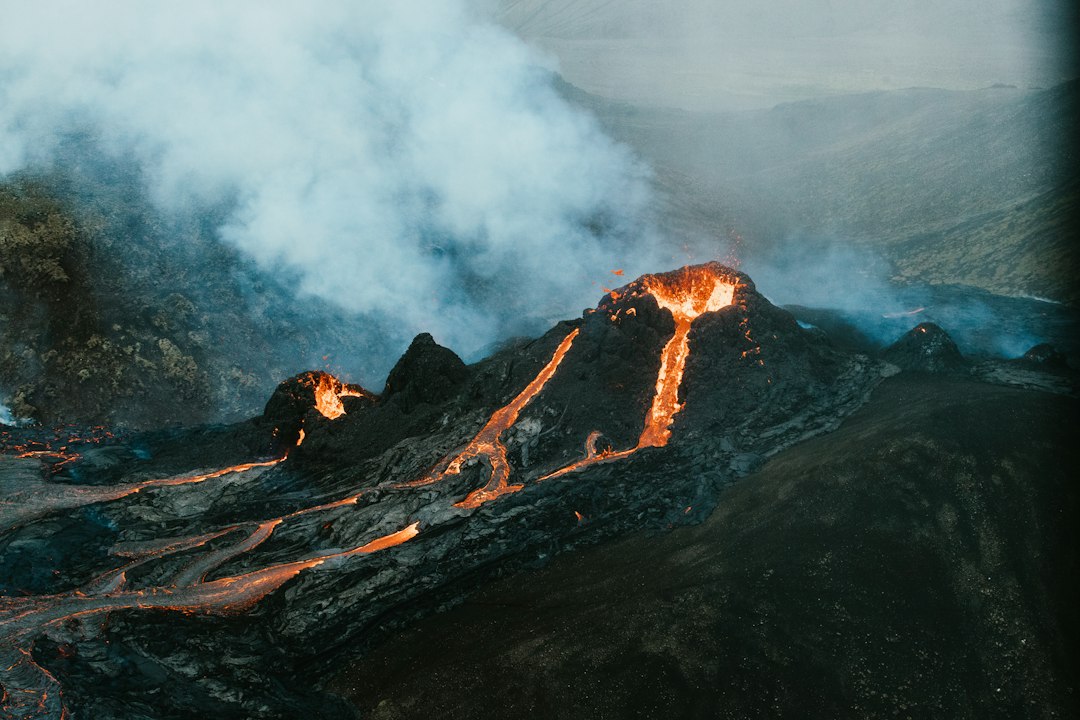
At two thousand seven hundred meters above sea level, the air smells of sulfur and the ground steams. From the parking lot of the Poás Volcano National Park, it takes just ten minutes on a paved path to find oneself on the edge of one of the largest and most accessible active craters on the planet. This is not a metaphor: the path is short, almost incredibly short, and when the steam clears for a moment, what appears before the eyes is a lake of intense turquoise color that bubbles slowly, surrounded by gray and yellow walls of crystallized sulfur.
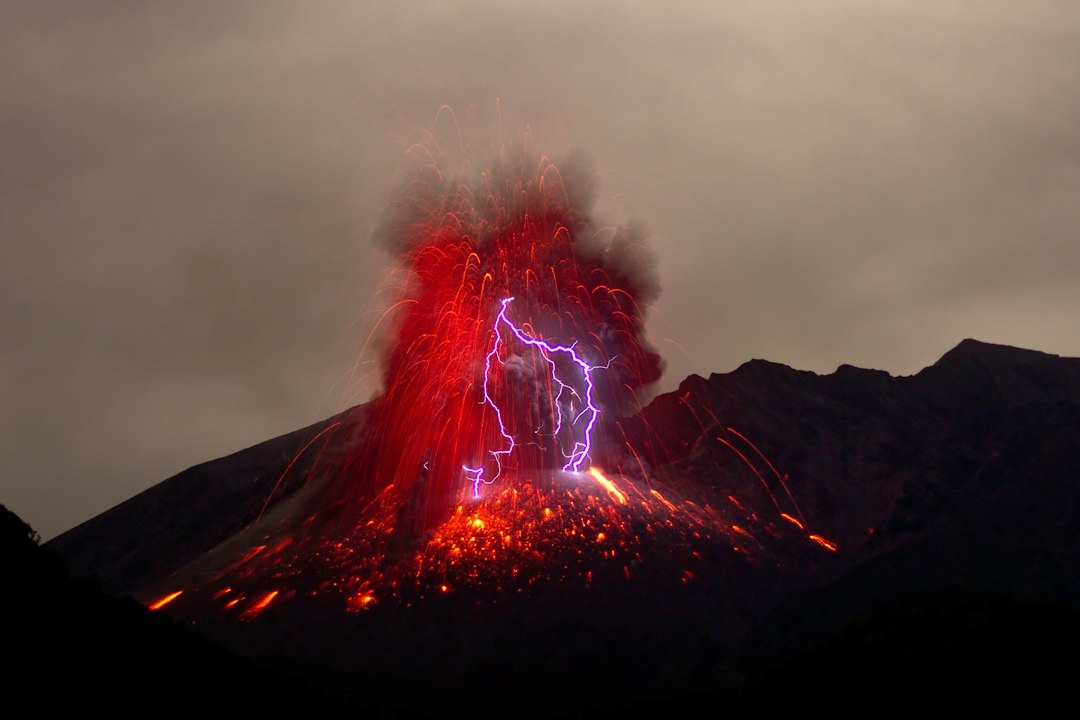
The Poás Volcano National Park is located in the province of Alajuela, about seventy kilometers north of San José, the Costa Rican capital. Established in 1971, it is one of the most visited national parks in Costa Rica, and the reason is evident: it offers direct contact with the living geology of the Earth without requiring either technical equipment or any particular physical condition. The Poás volcano is classified as active and has recorded significant eruptions throughout the twentieth century, with a particularly intense phase in 2017 that led to the temporary closure of the park for several months.
The main crater and the hyperacid lake
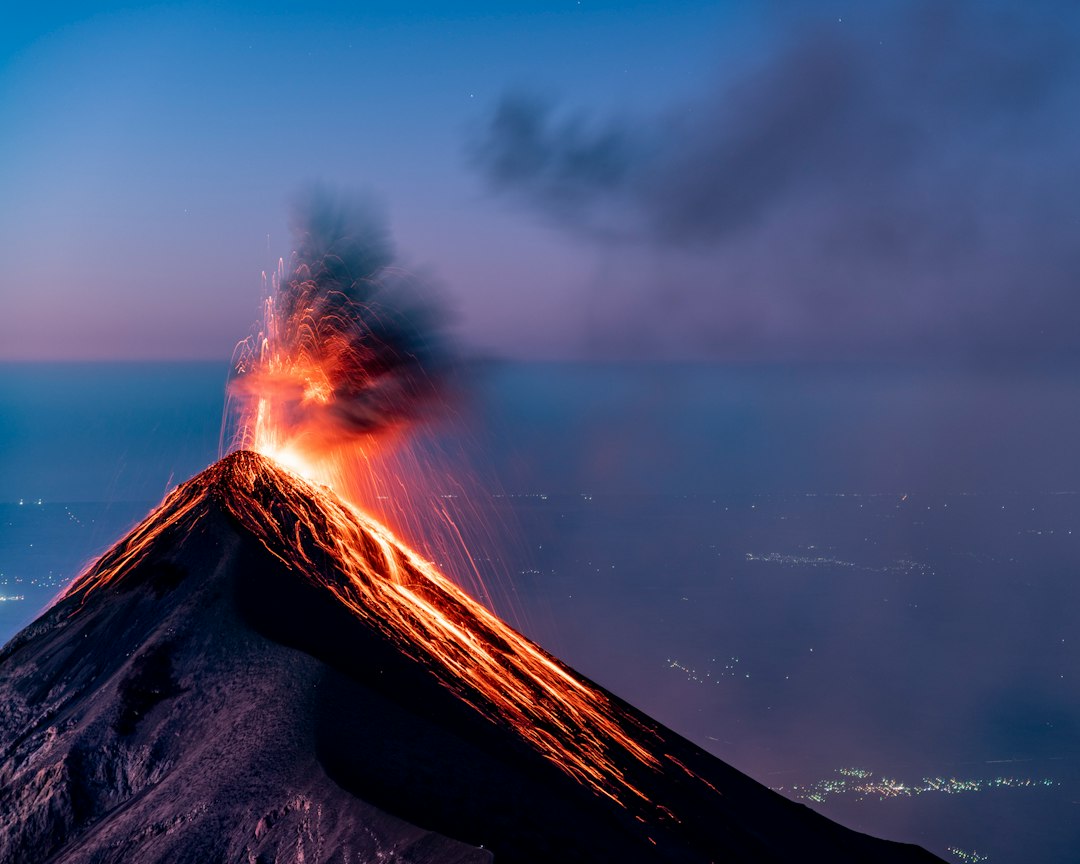
The main crater of Poás has a diameter of about one and a half kilometers and is one of the widest active craters in the world. Inside it lies the Laguna Caliente, a volcanic lake whose pH is among the lowest ever measured in a natural body of water: at certain times it approaches zero, making it chemically similar to bacterial acid. The turquoise-green color that the lake takes on during clear mornings is due to the presence of dissolved sulfur and other suspended mineral compounds.
The fumaroles that emerge from the crater walls produce plumes of steam and gas visible from afar. On days with moderate winds, the steam moves laterally and provides extraordinary visibility windows. At other times, the crater is completely shrouded in fog and nothing can be seen: this unpredictability is part of the experience, and one must accept it as part of the character of the place.
How to visit the park: hours and practical advice
The most important advice that can be given to those planning a visit is just one: arrive as early as possible in the morning. The park opens at eight in the morning and the first hours are statistically those with the least cloud cover. Around ten or eleven, the clouds tend to rise from the slopes and the crater closes. Those who arrive in the afternoon risk seeing only a sea of white steam without distinguishing anything below.
The entrance ticket for foreign visitors is about fifteen US dollars, subject to seasonal variations. Inside the park, there is a visitor center with informational panels about the geology of the volcano and the history of eruptions. The main path to the crater viewpoint is paved and accessible even to people with reduced mobility. It is mandatory to follow the instructions of the park staff regarding accessible areas: depending on the levels of volcanic activity, some areas may be closed without notice.
The vegetation and the second crater
Around the main crater, the vegetation is adapted to extreme conditions: acid rains, sulfurous gases, and variable temperatures have selected resistant and often endemic species. Proceeding along the secondary path, one reaches the Laguna Botos, a second extinct crater filled with a freshwater lake of emerald green color, surrounded by a dense and silent high-altitude forest. The contrast with the main crater is stark and almost surreal: from a lunar and hostile environment, one transitions in just a few minutes to a corner of wooded tranquility.
The high-altitude flora of Poás includes tree ferns, wild orchids, and the Clusia, a tree typical of Costa Rica's misty forests. The avifauna is present but discreet: the resplendent quetzal, the symbol bird of Central America, has been spotted in the park's woods, although it is not common in the areas most frequented by tourists.
How to get there and what to bring
From San José, you can reach the park by car by taking the road to Alajuela and then following the signs to Poasito and the national park: the journey takes between one hour and one and a half hours depending on traffic. There are also organized tours that depart from the capital in the early morning, often combined with a visit to the coffee plantations in the area, which are located along the route on the slopes of the volcano.
Bringing a waterproof jacket is essential: at that altitude, the weather changes rapidly and even on a sunny day in San José it can be cold and rain at Poás. Closed and comfortable shoes are sufficient for the park's trails. It is not recommended to approach the edge of the crater beyond the points indicated by the signage: volcanic gases can reach dangerous concentrations without warning, and the park has sensors that continuously monitor the levels of sulfur dioxide in the air.


