
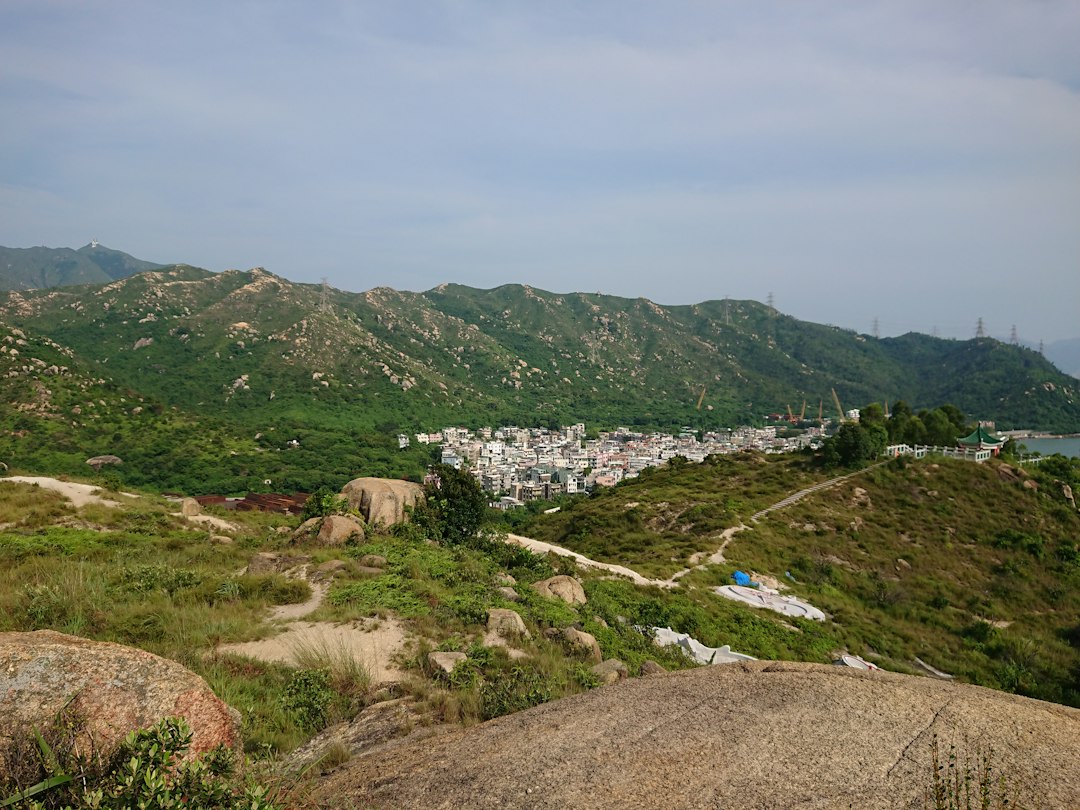

At four in the morning, with the headlamp cutting through the darkness and breath condensing in the cold air, the stone steps leading up to Poon Hill seem never-ending. Yet, when you reach the top at 3,210 meters above sea level, everything changes. The sky shifts from black to purple, then to burnt orange, and the white silhouettes of the mountains begin to take shape like ghosts emerging from the darkness.
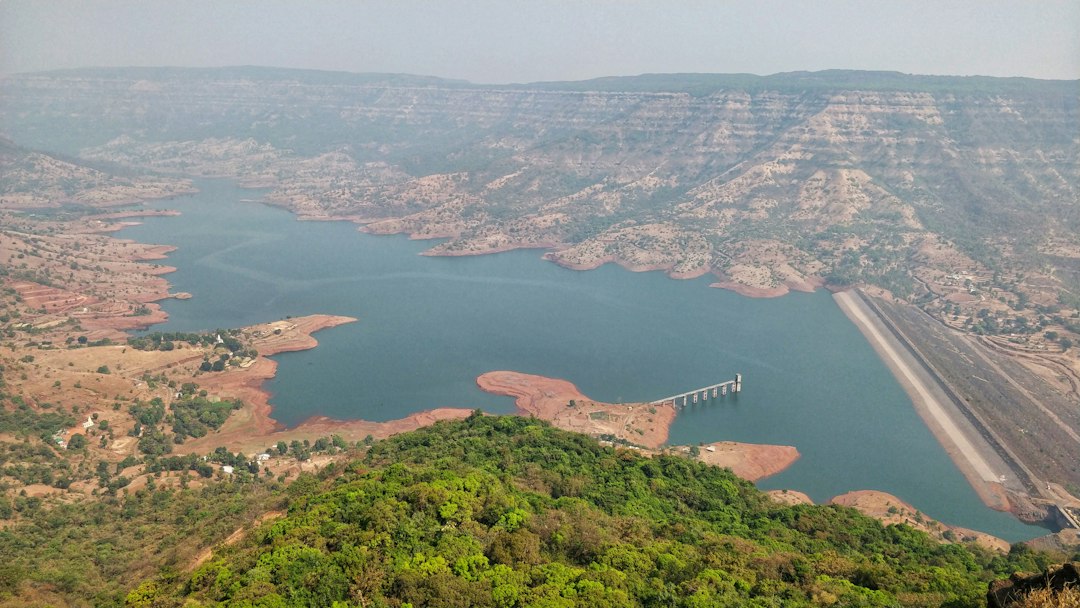
Poon Hill is located near Ghode Pani, in the Myagdi district, and is one of the most accessible viewpoints in the entire Nepalese Himalayan range. It does not require high-altitude equipment or mountaineering experience: it can be reached on foot from Nayapul in about two days of walking, following the Ghorepani-Poon Hill circuit, one of the most frequented trekking routes in Nepal.
The panorama: eight peaks at dawn
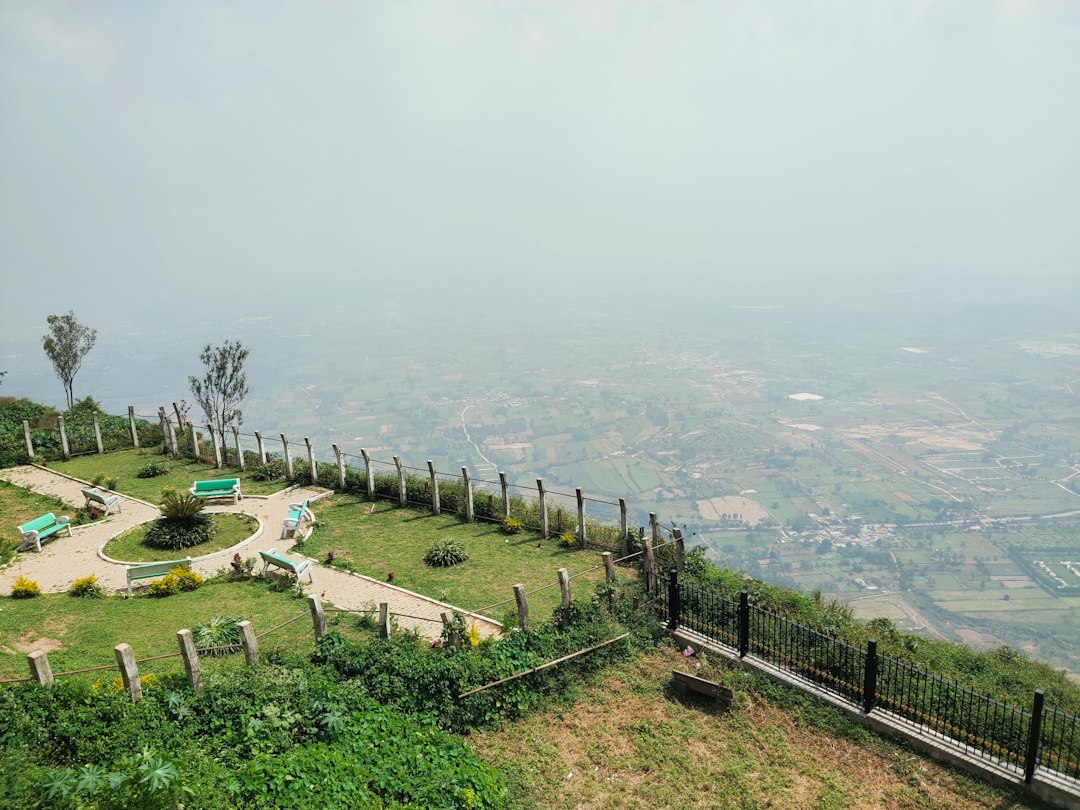
From the summit observation point, equipped with a wooden viewing tower and a Tibetan prayer flag fluttering in the wind, a view opens up on eight great Himalayan peaks. The absolute protagonists are Dhaulagiri, with its 8,167 meters making it the seventh highest mountain in the world, and Annapurna I, which exceeds 8,091 meters. Next to them stand Annapurna South, Nilgiri, Machhapuchhre — the famous fish tail that overlooks Pokhara — and other minor but no less imposing peaks.
The phenomenon of alpenglow transforms these ice walls into something difficult to describe in words. Before the sun rises on the eastern horizon, the slanting light tints the seracs bright pink, then gold, then dazzling white. The process lasts about twenty minutes, and those who have the patience to stay see the colors change almost in real time, as if someone were slowly adjusting a photographic filter over the entire mountain range.
The colors during the day
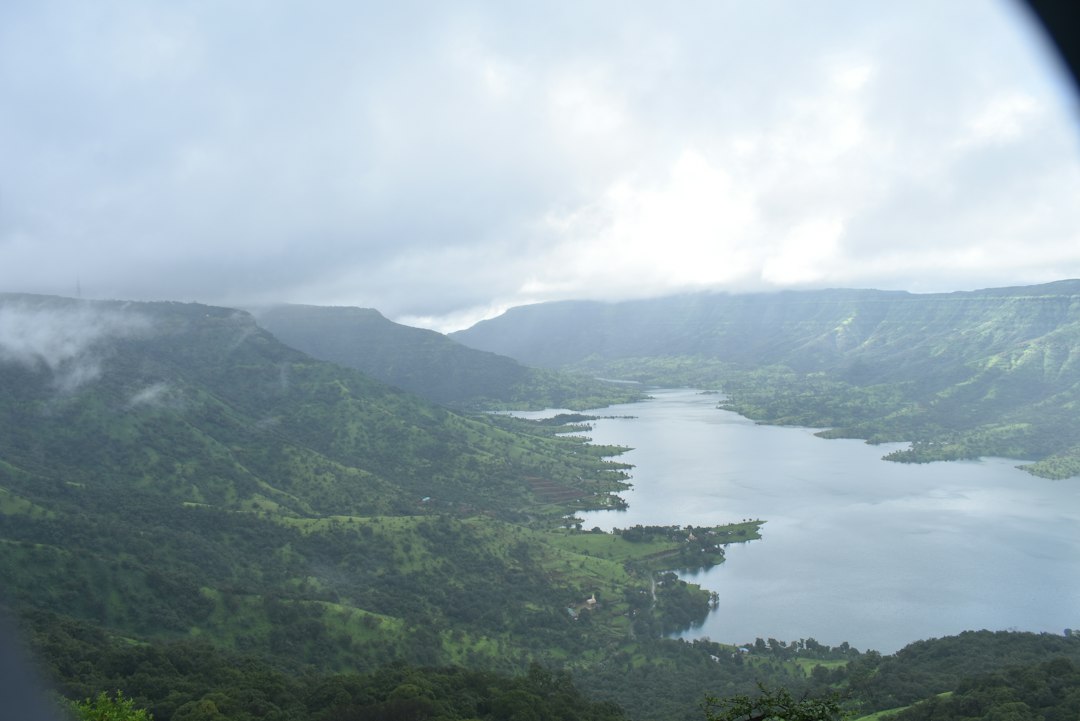
Those who remain at the top after dawn discover a completely different panorama. With the full morning light, the mountains lose that dreamlike quality and become concrete, almost close: the glaciers, rocky ridges, and shadowed areas on the northern slopes are clearly distinguishable. The rhododendron forests that surround the trail — blooming between March and April with shades ranging from crimson red to white — add a chromatic foreground that contrasts with the eternal white of the peaks.
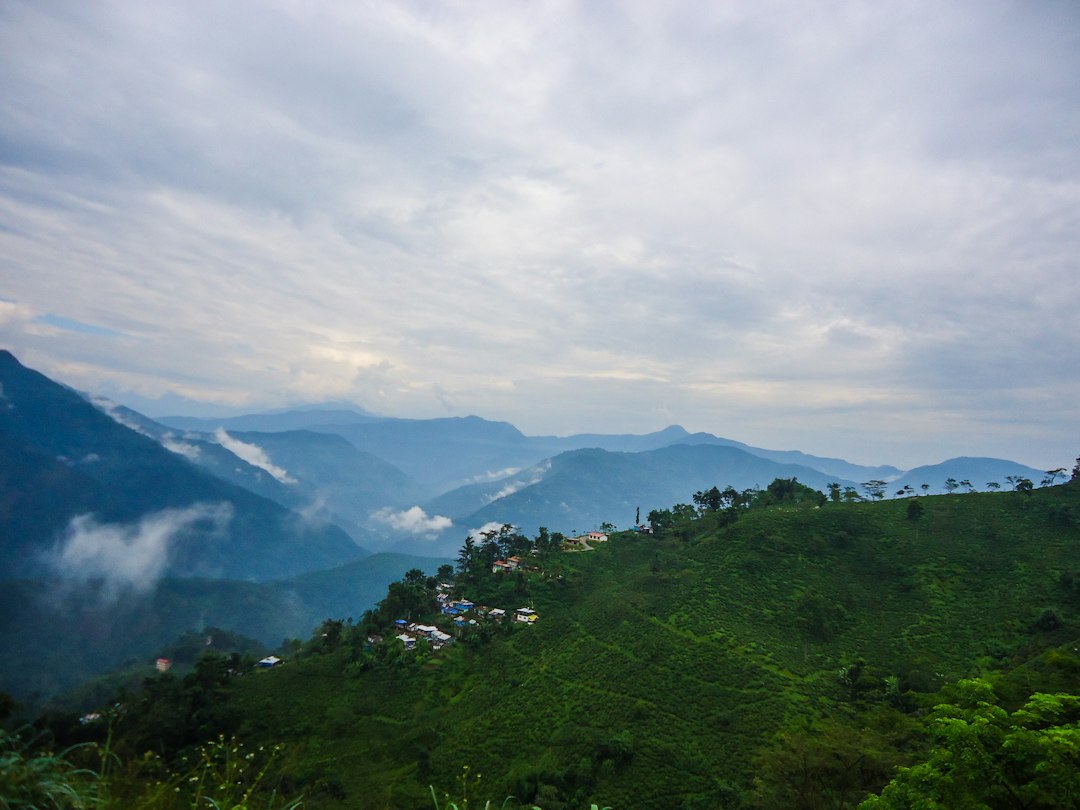
In the afternoon, when the clouds begin to rise from the valleys, the mountains progressively hide. It is a typical phenomenon of the Himalayas: mornings are clear, afternoons often cloudy. For this reason, many trekkers choose to stay overnight in Ghorepani the night before and tackle the ascent that very night, reaching the top before dawn.
How to organize the visit
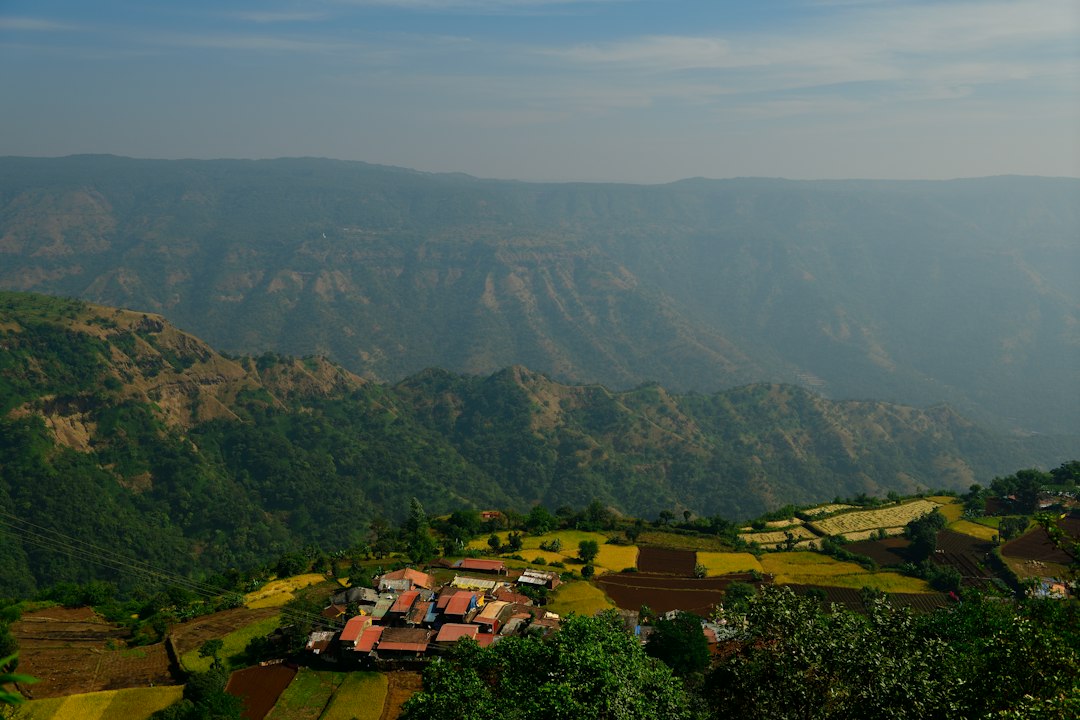
The traditional starting point is Nayapul, reachable in about an hour and a half by jeep or bus from Pokhara. From Nayapul, you walk to Tikhedhunga or directly to Ulleri on the first day, then continue to Ghorepani on the second. The final ascent to Poon Hill takes about 45 minutes to an hour from Ghorepani, on a well-marked path with stone steps.
It is mandatory to have two permits: the TIMS card (Trekkers' Information Management System) and the entry permit to the Annapurna Conservation Area, which costs around 3,000 Nepalese rupees for foreign visitors, equivalent to about 22-23 euros at the time of writing this article. Both can be obtained in Pokhara or Kathmandu before departing. Bringing a reliable headlamp is essential for the night ascent: the path is busy but not illuminated.
When to go and what to expect
The best months for trekking to Poon Hill are October, November, and March, April. In autumn, the sky is generally clear after the monsoon, and visibility is excellent. In spring, the rhododendrons are in bloom, and the landscape is more colorful, although there is a slightly higher chance of morning clouds. The monsoon (from June to August) makes the trails slippery and visibility poor.
Ghorepani, the base village for the ascent, has numerous tea houses where you can sleep and eat at affordable prices. Choosing a room with a mountain view is possible in many establishments, and waking up with the peaks right outside your window is a way to prepare yourself psychologically for what you will see at the top. Don't expect absolute solitude: Poon Hill is popular, and at dawn the summit can be crowded. But when the light hits Dhaulagiri and paints it orange, even the crowd ceases to exist.


