
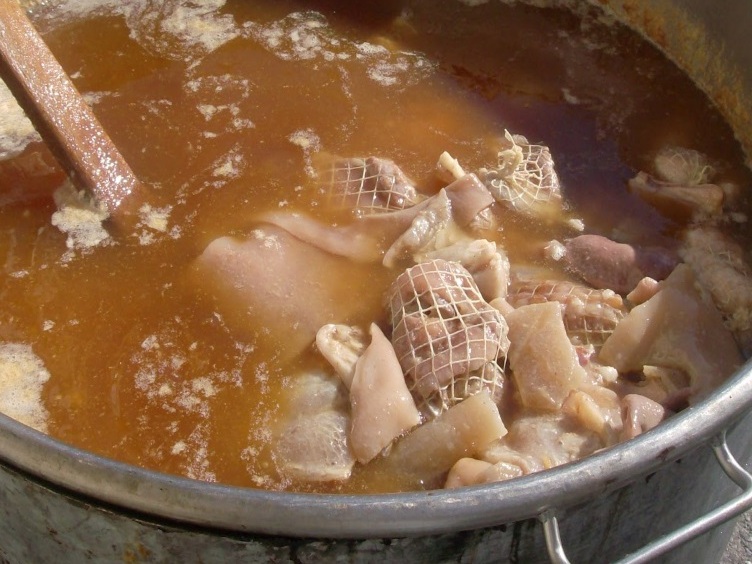

In the sun-kissed province of Reggio Calabria, where the azure waves of the Tyrrhenian Sea meet the rugged mountains, a culinary tradition thrives that speaks volumes of the region's history and culture. The dish known as pork frittole (in the local dialect, frittuli) is more than just food; it is a testament to the resourcefulness and deep-rooted customs of Calabrian life.
History and Origins
The origins of pork frittole can be traced back to ancient times when families relied on every part of the pig for sustenance, especially during the winter months. This practice was not merely about avoiding waste; it was a necessity born from the harsh realities of rural life in southern Italy. The tradition became particularly prominent in the 19th century, during a time when every morsel counted, and each household sought to make the most of their resources.
The caddara, a large, cylindrical pot used for cooking the frittole, is central to this dish's preparation. Traditionally, it was placed outside homes during pig slaughtering, emphasizing community involvement in food preparation and sharing. The method of cooking, which takes about seven hours, is a slow process that allows the flavors to meld and the meat to become tender, echoing the region's agrarian roots and communal spirit.
Art and Architecture
Reggio Calabria is not only known for its culinary delights but also for its rich artistic heritage. The city boasts a mix of Norman, Byzantine, and Baroque architectural styles, making it a fascinating destination for those interested in history and art. The Archaeological Museum of Reggio Calabria houses the famous Riace Bronzes, ancient Greek statues that embody the artistry of their era.
The architecture of the region reflects its tumultuous past, with stunning cathedrals like the Cathedral of Reggio Calabria, originally built in the 11th century, showcasing intricate details and a blend of styles that narrate the story of the city through the ages. Each structure is a canvas that tells tales of resilience and cultural evolution.
Local Culture and Traditions
The culture of Reggio Calabria is vibrant, steeped in traditions that celebrate both its agrarian roots and its coastal identity. Festivals like Festa della Madonna della Consolazione in September draw locals and visitors alike, featuring processions, music, and, of course, local dishes like frittole. This festival is a profound expression of devotion and community spirit, where the aroma of simmering frittole fills the air, inviting everyone to partake in the feast.
Moreover, the region has a strong tradition of storytelling, where local legends and myths are passed down through generations. This oral history enriches the cultural tapestry of Reggio Calabria, making its traditions even more meaningful.
Gastronomy
When it comes to the gastronomy of Reggio Calabria, pork frittole stands as a beloved emblem of local cuisine. It is typically made from the less noble cuts of pork, including neck, cheek, and belly — parts often overlooked elsewhere but revered here. The process involves slowly cooking these ingredients in their own fat, creating a dish that is rich and flavorful, perfectly complemented by a loaf of rustic bread and a sprinkle of black pepper.
In addition to frittole, the region is known for other culinary delights such as 'nduja, a spicy, spreadable salami, and caciocavallo, a traditional cheese. The local Greco di Bianco wine, with its sweet notes, pairs wonderfully with these hearty dishes, enhancing the overall gastronomic experience.
Lesser-Known Curiosities
While many tourists flock to the more famous attractions, Reggio Calabria has its own hidden gems. One such curiosity is the local custom of cooking frittole in the early hours of Saturday morning, a practice that signifies the start of the weekend and draws locals to butcher shops to indulge in this beloved dish.
Another fascinating aspect is how frittole were historically seen as a symbol of hospitality; offering frittole to guests was a way to express warmth and generosity. This cultural nuance often goes unnoticed but adds depth to the experience of dining in Reggio Calabria.
Practical Visitor Information
For those looking to explore Reggio Calabria, the best time to visit is during the spring or early fall, when the weather is mild and the crowds are thinner. While the city is accessible year-round, these seasons offer a delightful ambiance for wandering the streets and immersing oneself in local culture.
To truly appreciate the dish, seek out local butcher shops and small eateries where frittole are prepared traditionally. Don’t hesitate to engage with the locals, as they are often eager to share stories and tips about where to find the best frittole in town.
As you plan your journey through this captivating region, consider using the Secret World app to create a personalized AI itinerary that guides you seamlessly through the culinary and cultural wonders of Reggio Calabria.


