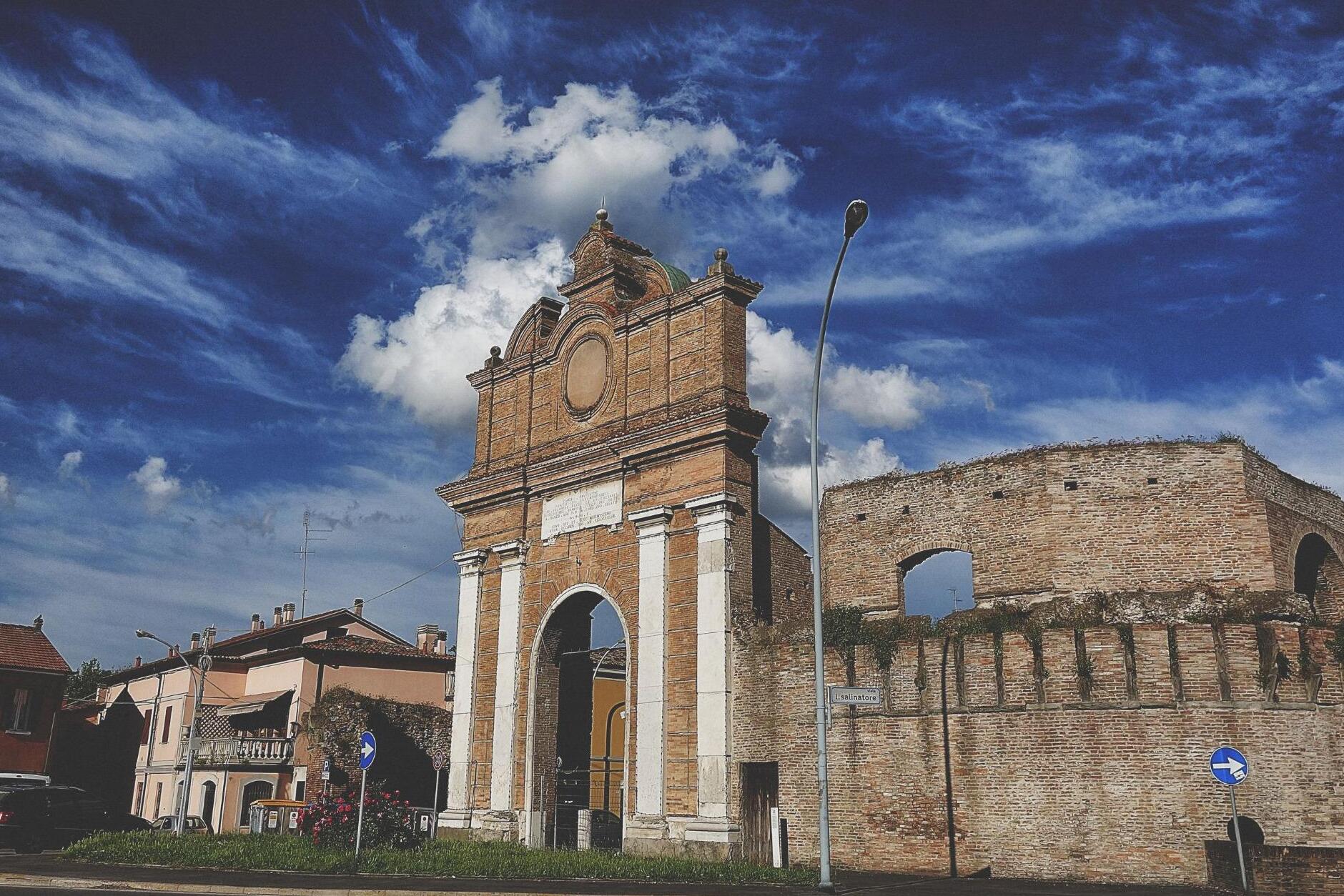

Nestled within the ancient defensive structures of Forlì, the Porta Schiavonia stands as a testament to the city’s rich historical tapestry. This ancient gate, a vital connection between the urban center and the surrounding countryside towards Faenza, is the only surviving passage of the original city walls, making it a significant landmark for both locals and travelers alike.
### History and Origins
The origins of Porta Schiavonia trace back to the medieval era, specifically around the 13th century when the walls of Forlì were constructed to safeguard the city from potential invasions. Throughout its tumultuous history, the gate has experienced multiple destructions and reconstructions. Notably, in 1413, it was destroyed by Giorgio Odelaffi, a prominent figure in the city’s historical narrative. Later, in 1556, Pope Paul IV ordered its reconstruction, relocating it to a more strategically advantageous position. This reconstruction included an arch dedicated to Cardinal Camillo Merlini Paulucci, featuring a niche that originally housed a revered painting of the Madonna del Fuoco. Today, the remnants of this gate and a portion of the ancient fortress still echo the city’s storied past.
### Art and Architecture
The architectural style of Porta Schiavonia reflects the medieval fortifications that were common in Italy during the 13th and 14th centuries. Characterized by its sturdy construction and imposing presence, the gate is an excellent example of the defensive architecture that defined the region. Visitors can admire the remnants of the fortress that once protected it, along with the ancient walls that evoke a sense of history and grandeur. The nearby arch, dedicated to Cardinal Merlini, adds a layer of artistic significance, showcasing the blend of religious devotion and civic pride that permeated the era.
### Local Culture and Traditions
Forlì is steeped in rich traditions that resonate through its local customs and festivals. One of the most celebrated events is the Festa di San Mercuriale, held in honor of the city’s patron saint in early June. This vibrant festival features parades, performances, and gastronomic delights that bring the community together. The Madonna del Fuoco, associated with Porta Schiavonia, also plays a significant role in local culture, celebrated with processions and religious events, highlighting the deep-rooted connection between the city’s history and its people.
### Gastronomy
The culinary scene in Forlì is a delightful exploration of Emilian-Romagnol flavors. Local specialties include Piadina Romagnola, a traditional flatbread often served with cured meats and cheeses, providing a taste of the region’s rich agricultural heritage. Another must-try is Passatelli, a pasta made from breadcrumbs, eggs, and cheese, often served in broth. To accompany these dishes, indulge in a glass of Sangiovese wine, a robust red that pairs beautifully with the local cuisine, offering a true embodiment of Forlì’s gastronomic identity.
### Lesser-known Curiosities
Despite its historical significance, many visitors might overlook the fascinating details surrounding Porta Schiavonia. For instance, the gate’s name, which translates to “Slav Gate,” is said to derive from the historical presence of Slavic merchants and travelers who frequented the area. Furthermore, the remnants of the fortress nearby are less explored, holding secrets of Forlì’s past that whisper through the stones. Many tourists miss the small, hidden alcoves adorned with intricate carvings that tell stories of battles and peace treaties, inviting a deeper exploration of the gate's surroundings.
### Practical Visitor Information
The best time to visit Forlì and Porta Schiavonia is during the spring and early autumn months when the weather is mild and ideal for walking tours. It’s advisable to wear comfortable shoes to navigate the cobblestone streets and to take your time exploring the nearby areas along Via del Portonaccio, which offers a picturesque view of the ancient wall remnants. While at Porta Schiavonia, don’t forget to visit the nearby Palazzo del Podestà, which houses an impressive collection of art and historical artifacts that further illuminate Forlì’s cultural landscape.
In conclusion, the Porta Schiavonia is more than just an ancient gate; it is a portal into the heart of Forlì’s history, culture, and culinary delights. As you plan your visit, consider using the Secret World app to craft a personalized AI itinerary that uncovers the hidden gems of this enchanting city.