

Portugal's Bacalhau: A Culinary Chronicle of Codfish

Portugal, a nation with a coastline stretching over 800 kilometers, has a deep-seated relationship with the sea, and bacalhau, or dried and salted codfish, is the embodiment of this bond. The story of bacalhau is as much about the sea as it is about Portuguese innovation and adaptation. Historical records trace the Portuguese affinity for bacalhau back to the 16th century, during the Age of Discoveries when Portuguese navigators forged new sea routes and brought back cod from the cold waters off Newfoundland. This preserved fish was a staple on long maritime voyages due to its long shelf life and high nutritional value, earning its status as a 'fiel amigo' or faithful friend.
Portugal's architecture and art reflect its rich maritime history, with maritime motifs often found in the exquisite Manueline style, a uniquely Portuguese architectural form that flourished during the 16th century. This style incorporates intricate stonework resembling ropes, knots, and sea elements. Notable examples include the Jerónimos Monastery in Lisbon and the Belém Tower, both UNESCO World Heritage sites. Artworks often depict scenes of the sea and fishing, capturing the essence of Portuguese life and its reliance on the ocean.
The local culture and traditions surrounding bacalhau are as vibrant as Portugal's colorful azulejos. Regional festivals like the Festa do Bacalhau in Ílhavo celebrate the dish with music, dance, and, of course, a myriad of bacalhau recipes. It is an integral part of Portuguese Christmas Eve dinner, served as bacalhau da consoada, cooked simply with potatoes and cabbage, symbolizing simplicity and family unity.
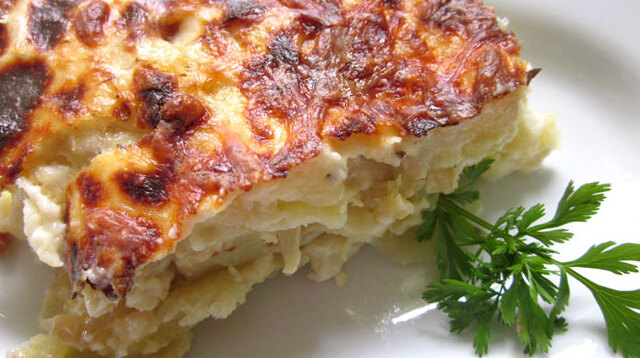
In gastronomy, bacalhau is perhaps one of the most versatile ingredients. The dish bacalhau à Brás combines shredded cod with onions, potatoes, and eggs, creating a savory, comforting meal. Another classic is bacalhau com natas, where the fish is baked in a creamy sauce, offering a rich and hearty flavor that is quintessentially Portuguese. Pair these with a glass of Vinho Verde, a crisp white wine from northern Portugal, for a true taste of the region.
Among the lesser-known curiosities of bacalhau is its sheer variety. While folklore suggests there are 365 ways to prepare it, some enthusiasts claim there are over a thousand. Each recipe is a testament to the creativity and adaptability of the Portuguese, who have elevated a simple ingredient into an art form. Another fascinating tidbit is that most of the bacalhau consumed in Portugal is imported from Norway, a tradition that harkens back to trade routes established centuries ago.
For those planning a visit, the best time to explore Portugal's culinary scene is during the spring and fall when the weather is pleasant, and the crowds are thinner. Seek out local tascas or family-run restaurants for the most authentic bacalhau experiences. When in Lisbon, a visit to the Time Out Market offers a contemporary twist on traditional dishes, while Porto's riverside eateries provide stunning views with your meal.
Whether you're a first-time visitor or a seasoned traveler, unravel the secrets of bacalhau and more with the Secret World app to create a personalized itinerary that's as unique as Portugal itself.


