
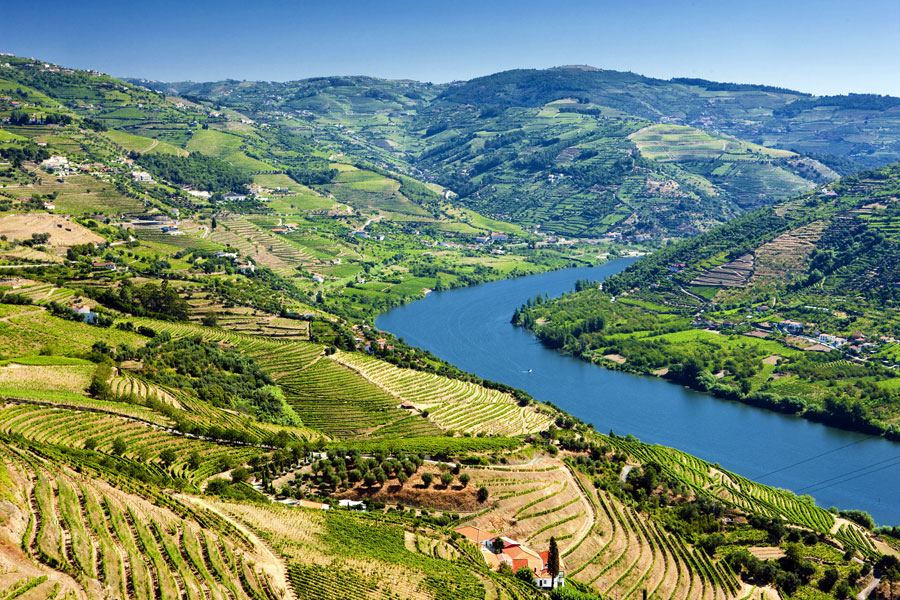

Nestled along the banks of the Douro River, the Douro Valley is a mesmerizing tapestry of terraced vineyards, historic quintas, and sweeping landscapes that have inspired poets and travelers for centuries. This enchanting region, recognized by UNESCO as a World Heritage Site, is not just a geographical marvel but a living museum of culture and history.
The history of the Douro Valley is as rich and layered as its famous wines. The cultivation of vines in this area dates back to Roman times when the region was known for its fertile soil and favorable climate. However, it was in the 18th century that the valley gained international acclaim with the rise of Port wine. In 1756, the Marquês de Pombal, Portugal's prime minister, demarcated the Douro Valley as the world’s first wine region with protected designation of origin, a pioneering move that solidified its reputation in global viticulture.
The art and architecture of the Douro Valley reflect a blend of functionality and beauty, harmoniously integrated into the natural landscape. The traditional quintas, or wine estates, showcase classic Portuguese architecture with their whitewashed walls and terracotta roofs. Many of these estates feature beautifully preserved azulejos, the iconic blue and white tiles that tell stories of the region's history and culture. The Baroque influence is evident in the intricate designs of the many small chapels dotting the valley, most notably the stunning Sanctuary of Nossa Senhora dos Remédios in nearby Lamego, with its impressive staircase adorned with vibrant azulejos.
Cultural traditions in the Douro Valley are deeply intertwined with its agricultural roots. The annual Vindimas, or grape harvest, is not just a pivotal time for winemaking but a cultural celebration. Locals and visitors alike take part in the age-old tradition of grape stomping, accompanied by music, dance, and copious feasting. The Festa de São João in Porto, although slightly outside the valley, is another significant festivity that draws crowds with its lively parades and fireworks, celebrating the summer solstice with a uniquely Portuguese flair.
Gastronomy in the Douro Valley is a delightful journey through the flavors of northern Portugal. Beyond the legendary Port wine, the region is known for its bacalhau (salted cod), prepared in countless variations, and the hearty tripas à moda do Porto, a tripe stew reflecting the resourcefulness of regional cuisine. The valley’s culinary offerings are incomplete without a taste of Bola de Lamego, a savory meat-filled bread, and the sweet pão-de-ló, a light sponge cake that perfectly complements a glass of tawny port.
Among the lesser-known curiosities of the Douro Valley is the tiny village of Provesende, a hidden gem that offers a glimpse into the traditional way of life with its cobbled streets and historic manor houses. Another intriguing aspect is the Vale do Côa archaeological park, home to open-air Paleolithic rock art that dates back over 20,000 years, revealing the valley's significance long before vines took root.
For those planning a visit, the best time to experience the Douro Valley is from late spring to early autumn, with September being particularly special for the harvest. Traveling by train along the Linha do Douro offers breathtaking views of the river and vineyards. Visitors should also consider a river cruise for a unique perspective of the valley's dramatic landscapes. When exploring, take time to visit the charming town of Pinhão, where the railway station is adorned with beautiful azulejos depicting the grape harvest.
In the Douro Valley, every bend of the river unveils a new story, every sip of wine shares a tradition, and every encounter with its warm-hearted people leaves an indelible mark. This is not just a place to visit but a place to experience, steeped in history and alive with culture.


