



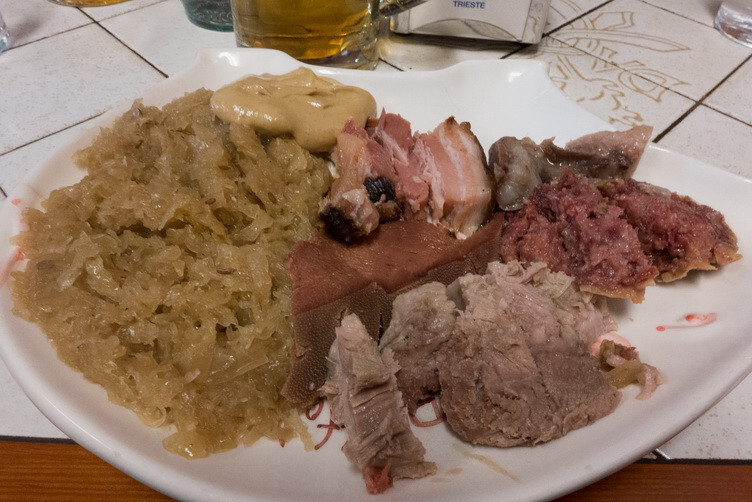
In the heart of Trieste, where the Adriatic whispers stories of empires past, a culinary tradition continues to thrive, drawing locals and visitors alike to its flavorful embrace. Porzina coi capuzi, a dish that epitomizes the soul of Triestine cuisine, is more than just a meal; it is a celebration of history, culture, and community.
### History and Origins The origins of porzina trace back to the Austro-Hungarian Empire, a period when Trieste was a bustling port and a melting pot of cultures. As the empire's main seaport, Trieste absorbed influences from across Central Europe, and its cuisine reflects this rich tapestry. The porzina, made from the neck of the pig, reflects the ingenuity of the region's cooks, who transformed simple ingredients into something extraordinary. This dish, paired with capuzi (sauerkraut), mustard, and horseradish, is a nod to the area's historic ties with Central European culinary traditions.
### Art and Architecture Trieste is a city where neoclassical and Austro-Hungarian architectural styles coexist, creating a unique urban landscape. The grandeur of Piazza Unità d'Italia, with its majestic buildings overlooking the sea, is a testament to the city's prosperous past. Art lovers will find solace in the Revoltella Museum, which showcases modern art and offers insights into the region's artistic evolution. The city's architecture and art are reflections of its diverse cultural influences, just as porzina reflects its culinary history.
### Local Culture and Traditions Trieste's culture is a vibrant mix, with traditions deeply rooted in its historical context. The Barcolana Regatta, one of the largest sailing races in the world, exemplifies the city's connection to the sea. During the San Giusto festival, locals honor their patron saint with processions and celebrations, highlighting the city's deep-seated religious traditions. The Trieste Film Festival, held annually, showcases the city's commitment to the arts, attracting filmmakers and cinephiles from all over Europe.
### Gastronomy Beyond porzina, Trieste offers a rich tapestry of flavors waiting to be explored. The city's coffee culture is legendary, with historic cafes like Caffè San Marco serving as meeting places for intellectuals and artists. Local foods like jota, a hearty soup with sauerkraut, beans, and potatoes, and gibanica, a layered pastry, reflect the diverse culinary influences of the region. Trieste's cuisine is an invitation to explore its complex history through taste.
### Lesser-known Curiosities One of Trieste's lesser-known curiosities is its association with James Joyce, who lived and wrote here in the early 20th century. The city's influence can be felt in his work, and a bronze statue commemorates his time here. Another hidden gem is the Grotta Gigante, one of the largest tourist caves in the world, offering a glimpse into the region's natural wonders. These unique stories and sites add layers to the cultural richness of Trieste.
### Practical Visitor Information The best time to visit Trieste is during the spring or fall when the weather is mild, and the city is less crowded. Exploring the city on foot is highly recommended, as it allows visitors to fully appreciate its architectural beauty and vibrant street life. When dining, look for local buffets offering porzina, and don't miss out on the chance to experience a traditional Triestine coffee.
To craft your perfect itinerary and uncover the hidden gems of Trieste, use the Secret World app.
