


Nestled in the heart of Praha, the Jewish Museum stands as a poignant testament to the city’s rich and tumultuous past. Established in 1906, the museum has grown to encompass six significant sites, each telling a story of resilience and cultural heritage. Before the 19th century, the area north of the Old Town Square was known as the Jewish Ghetto, a vibrant community that faced both flourishing creativity and harsh repression. Although much of the ghetto was cleared for the development of art nouveau architecture, remnants of its historical essence are beautifully preserved within these museum sites.

The museum's most prominent attractions include the Klausen Synagogue, which dates back to the 18th century and was a hub for the Jewish community, and the Maisel Synagogue, constructed in the late 16th century. The latter is particularly notable for its Renaissance style and extensive collection of ceremonial artifacts. However, one of the museum's crowning jewels is the Spanish Synagogue, which showcases an exquisite Moorish Revival architectural style, characterized by its intricate mosaics and stained glass, evoking the aesthetics of Alhambra in Spain.
As you wander through the Pinkas Synagogue, you will be moved by the walls inscribed with the names of over 77,000 Jewish victims of the Holocaust from Bohemia and Moravia. The somber Ceremonial Hall further emphasizes the somber history, as it served as a place for the community to commemorate their dead. Meanwhile, the Old Jewish Cemetery, one of the oldest surviving Jewish burial sites in Europe, is a hauntingly beautiful garden of crumbling tombstones that tell tales of lives lived long ago.
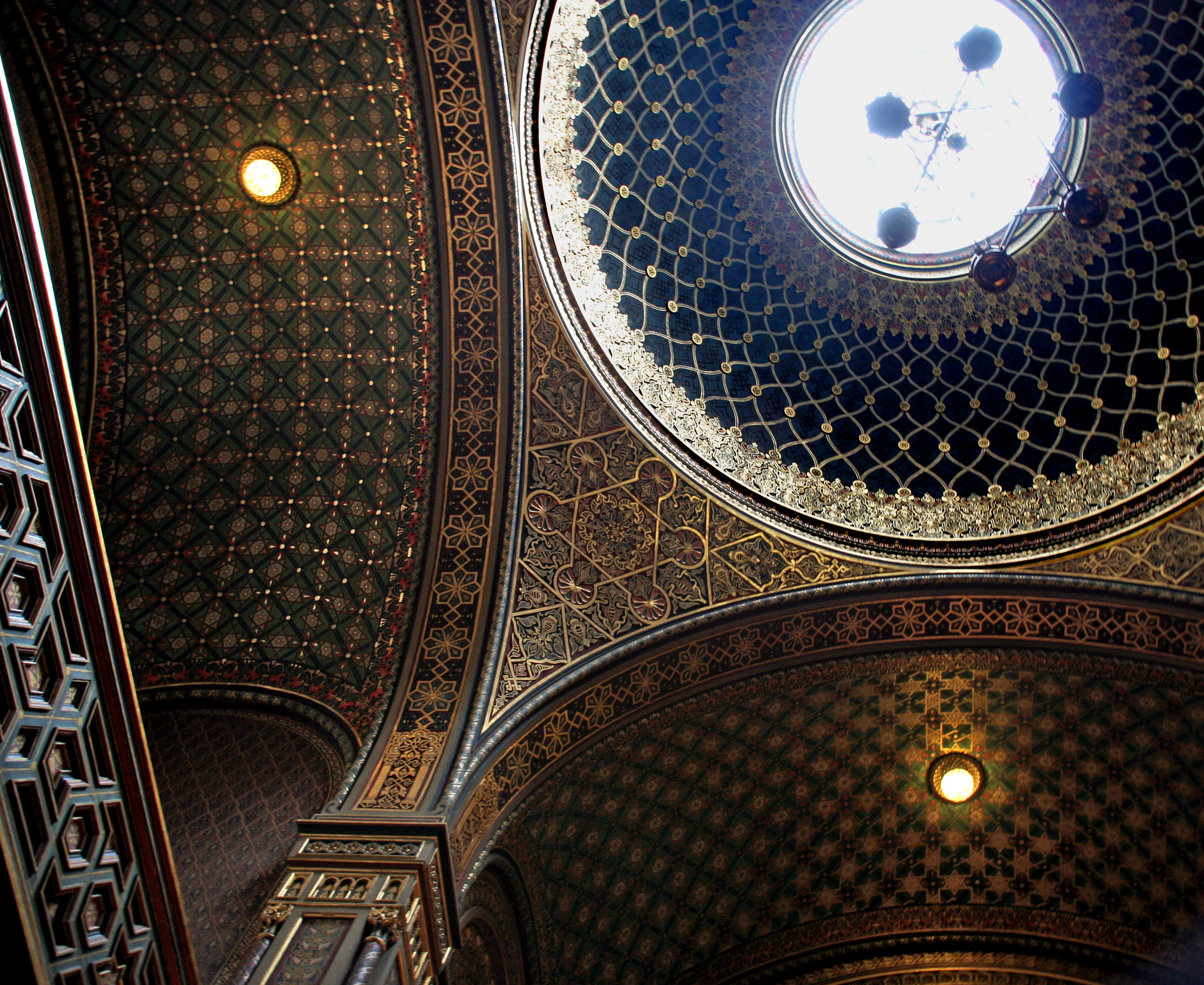
Beyond the architecture, the Jewish Museum is a vibrant part of the local culture, preserving Jewish customs and traditions that have shaped Prague for centuries. Festivals such as Hanukkah and Passover are celebrated with great enthusiasm, showcasing traditional foods like latkes and matzah ball soup. Visitors might also witness local events, including Klezmer music performances, which bring the joyous rhythms of Jewish folk music to life.
When it comes to gastronomy, the Jewish influence on Prague’s culinary scene is subtle yet profound. Traditional Czech-Jewish cuisine features dishes such as Svíčková (marinated beef with creamy sauce) and brisket, often served during family gatherings and holidays. Pair your meal with a glass of Kosher wine or a local beer, and you’ll have a true taste of this rich cultural tapestry.
For those seeking lesser-known curiosities, the Jewish Museum holds many surprises. One fascinating detail is that the Old Jewish Cemetery is not just a burial ground but a layered history, containing as many as 12,000 tombstones stacked atop one another due to space constraints. This unique characteristic provides a glimpse into the past, where land was scarce, and the community adapted in creative ways. Additionally, the museum's collection includes the Golem of Prague, a legendary creature created by Rabbi Judah Loew in the 16th century, symbolizing the enduring struggle of the Jewish people.
To make the most of your visit, consider going during the shoulder seasons of spring or autumn when the crowds are thinner, allowing for a more reflective experience. A single ticket grants you access to all six sites, so plan to spend several hours fully immersing yourself in this profound narrative. Don’t miss the opportunity to engage with knowledgeable guides who often share personal anecdotes and deeper insights into the artifacts and stories.
As you explore the sacred spaces and artifacts, take time to reflect on the stories these walls tell. The Jewish Museum is not only a place of remembrance but also a vibrant celebration of culture and resilience that continues to thrive in Prague today. For an enriching experience tailored to your interests, consider using the Secret World app to craft your personalized itinerary for this unforgettable journey.


