
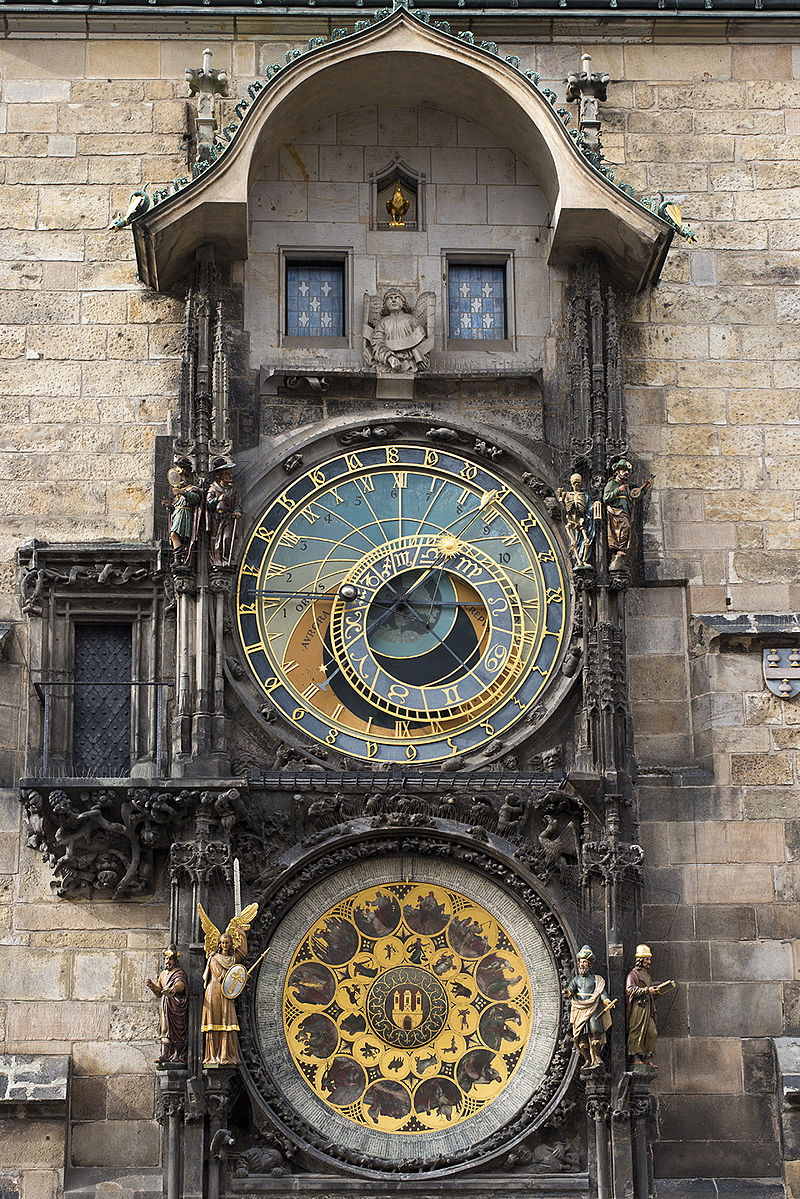

In the heart of Prague's Old Town Square, a marvel of medieval engineering and artistic ingenuity stands proudly: the Prague Astronomical Clock, or Pražský orloj. This extraordinary timepiece has been captivating visitors since its installation in 1410, weaving together the threads of history, science, and art into a living tapestry that continues to tick with precision and grandeur.
The origins of this clock are steeped in the rich history of Bohemia. Designed by clockmaker Mikuláš of Kadaň and mathematician Jan Šindel, it was a revolutionary piece that demonstrated the advanced understanding of the cosmos at the time. Over the centuries, it has witnessed countless historical events, from the Hussite Wars to the Velvet Revolution, standing as a silent sentinel amid the evolving cityscape. The clock's longevity is a testament to the meticulous care it has received, surviving numerous repairs and restorations, most notably after suffering damage during World War II.
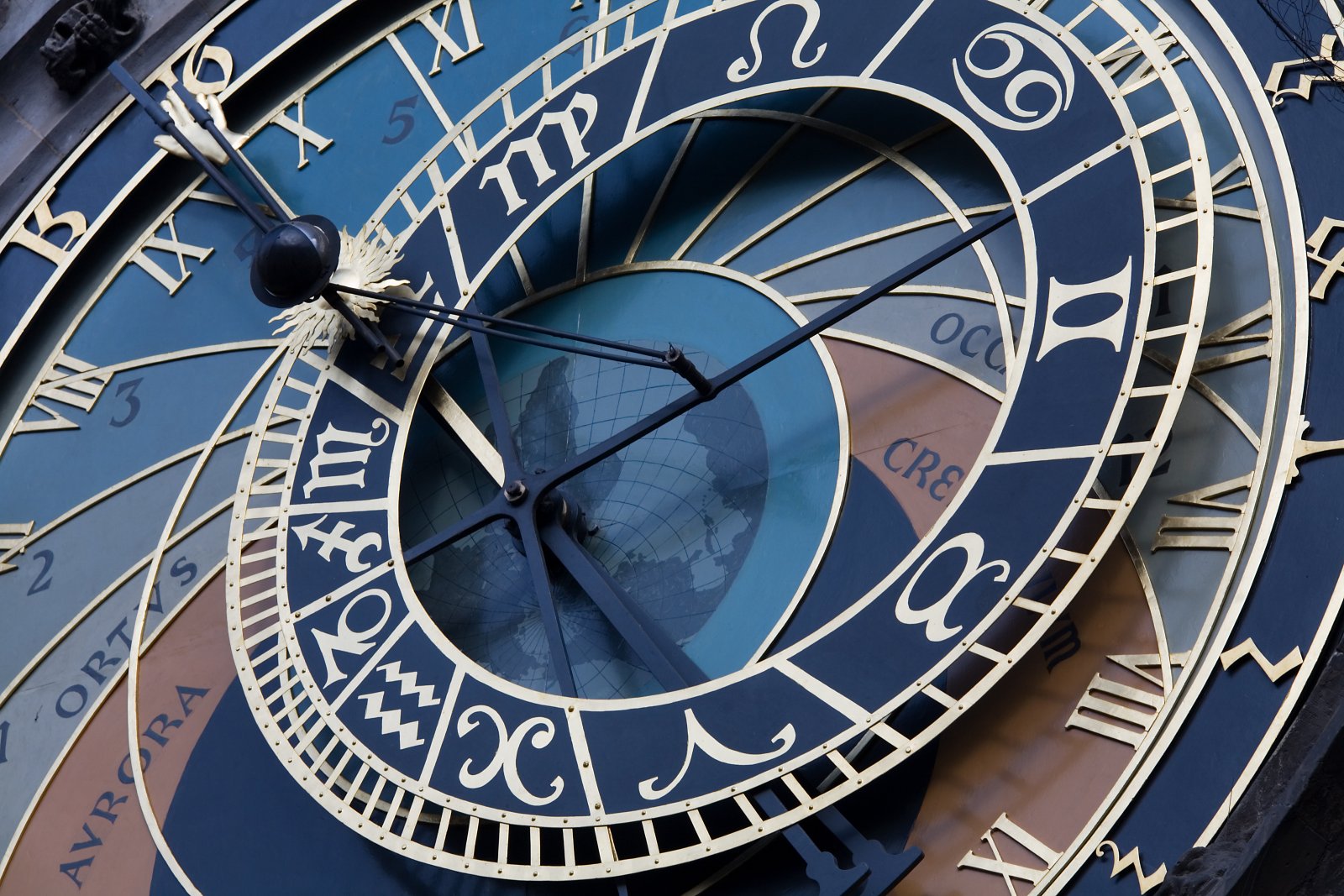
Architecturally, the clock is a Gothic masterpiece, adorned with intricate sculptures and figures that bring its facade to life. The clock's face is a wonder of medieval artistry, featuring a calendar dial and an astronomical dial that displays the positions of the sun and moon in the sky. Surrounding the dial are twelve medallions, each representing a sign of the zodiac, painted by Josef Mánes in the 19th century. Above these, a parade of wooden figures, including the Twelve Apostles, emerges every hour, delighting onlookers with their timeless procession.
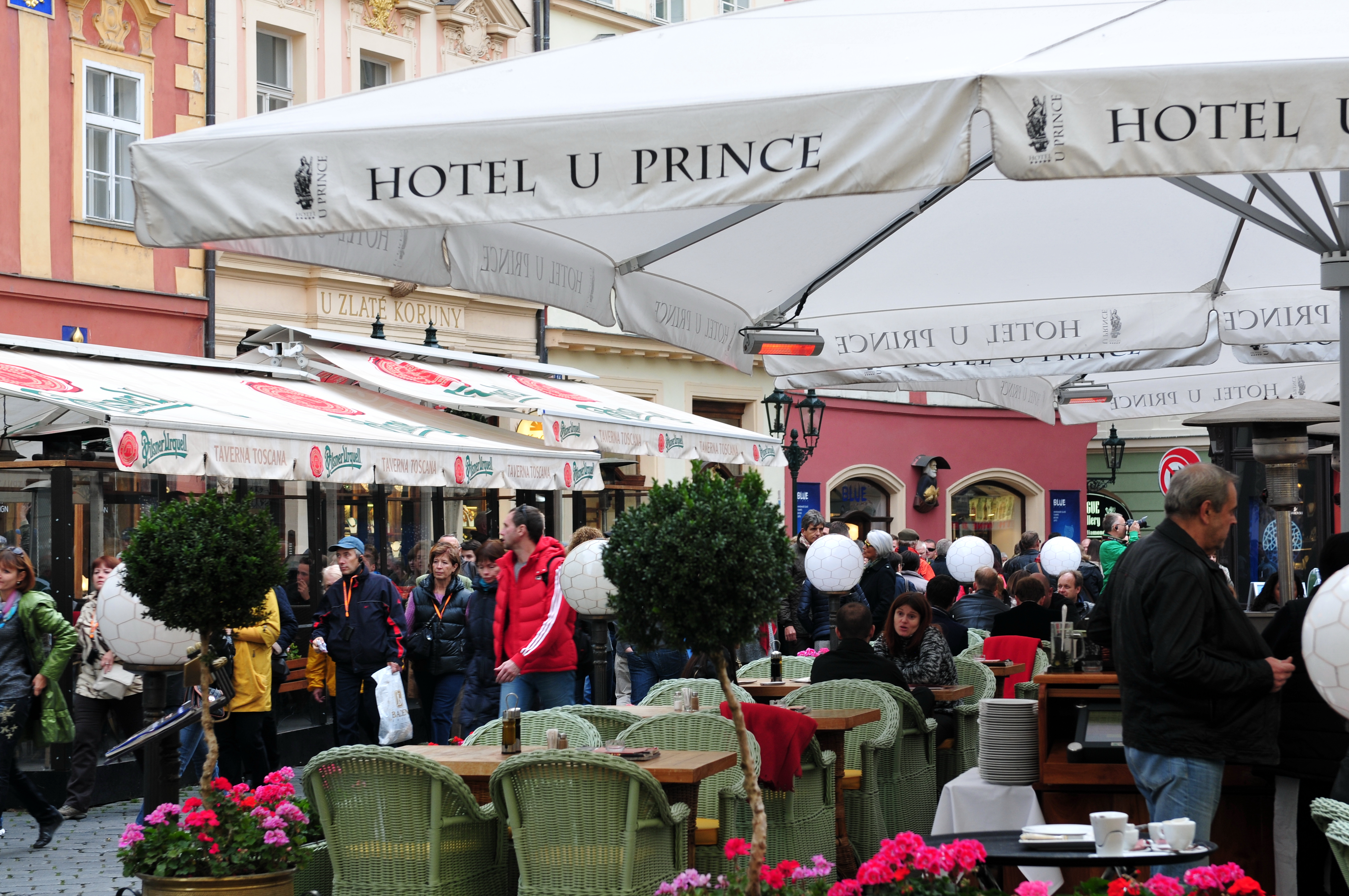
The clock has deep cultural significance for the people of Prague. Every hour, the square below fills with locals and tourists alike, craning their necks to witness the mechanical show. This is not just a spectacle; it is a ritual that ties the present to the past. The clock is also central to various festivals, including the vibrant Prague Astronomical Clock Festival, held in September, which celebrates its historical and cultural impact with reenactments and performances.
As you wander through the cobblestone streets surrounding the square, you'll discover a culinary scene that reflects Prague's rich history. Indulge in traditional Czech dishes such as svíčková na smetaně—a tender beef dish with creamy sauce, or savor the sweet delight of trdelník, a spit cake dusted with sugar and cinnamon. Pair these with a pint of Pilsner Urquell, a beer that has become synonymous with Czech culture, and you'll have a dining experience that is as memorable as the clock itself.
Beyond its artistic and historical allure, the Prague Astronomical Clock holds secrets that often go unnoticed. Legend has it that the clockmaker, Mikuláš, was blinded after completing his masterpiece to ensure he could never replicate its design elsewhere. While this tale adds a layer of mystique, the true marvel lies in its complex mechanism, which has been meticulously preserved and remains a subject of study for horologists worldwide.
For those planning a visit, the best time to experience the clock is early morning or late afternoon when the crowds thin, allowing for an uninterrupted view of its intricacies. Pay attention to the tiny details, like the gilded rooster that crows at the end of the hourly show or the skeleton figure that represents death, reminding us of time's inexorable march.
Standing before the Prague Astronomical Clock, you are not merely a spectator but a participant in a centuries-old narrative. As its gears and cogs continue to turn, they carry with them the stories of generations, making this remarkable clock not just a piece of history, but a living, breathing part of Prague's cultural heritage.


