
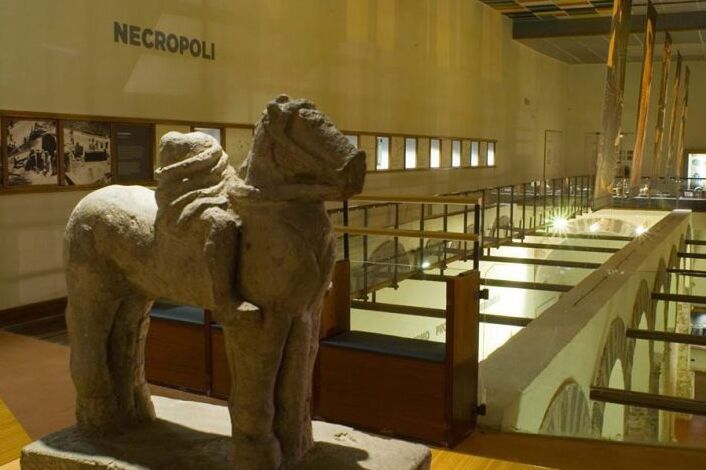

Nestled in the heart of Salerno, the Provincial Archaeological Museum stands as a testament to the city’s rich history, inviting visitors to delve into the past. Established in 1927, this museum is a treasure trove of artifacts spanning from the prehistoric era to the late antique age. After a significant renovation that culminated in its official reopening on February 18, 2013, the museum now features an intricate exhibition itinerary that guides visitors through its outdoor garden, ground floor, and first floor.
The museum’s origins are steeped in the ancient history of the region. Salerno, founded by the Etruscans, has seen numerous civilizations pass through its lands, each leaving a distinct mark. The archaeological finds displayed here reflect this cultural melting pot, showcasing the influences of the Greeks, Romans, and later civilizations. The museum’s collection includes artifacts unearthed from the surrounding areas, including Eboli, Amalfi, and Palinuro, revealing the rich tapestry of life in ancient Campania.
As you wander through the outdoor garden, you are greeted by a captivating lapidary rich in Roman finds. This space is adorned with remarkable reliefs and statues, many of which date back to the seventeenth century. Among the standout pieces is the headless Roman statue of "Venus with dolphin," a stunning representation of love and beauty that captures the essence of Roman artistry. Also noteworthy is the Roman copy of Aphrodite Cnidia, a reinterpretation of a classic Greek masterpiece from Herculaneum.
The architectural style of the museum itself is a blend of neoclassical and modern influences, creating an inviting atmosphere that complements the artifacts housed within. The building’s layout allows for a natural flow through the exhibits, enhancing the visitor experience. The ground floor features a dedicated section to prehistory, showcasing notable finds like the nestorides from Athena Lucana and the intricate craters of Nocera Superiore.
Ascending to the first floor, the highlight is undoubtedly the bronze head depicting the god Apollo, dating back to the 1st century A.D. This exceptional piece was discovered in 1930 in the waters of Salerno, a find that captured the imagination of many, including the poet Giuseppe Ungaretti. In his story “La pesca miracolosa” from May 5, 1932, Ungaretti recounts the miraculous discovery of this bronze sculpture, which later became a part of the International Exhibition Monumental Bronzes of the Hellenistic World.
As you explore the museum, you will also encounter elements of local culture and traditions that have flourished in Salerno over the centuries. One notable event is the Medieval Festival, held annually in September, where locals don period costumes and reenact historic moments, allowing visitors to step back in time. This celebration is a vibrant reflection of Salerno’s heritage and showcases traditional music, dance, and cuisine, tying the past to the present.
Speaking of cuisine, Salerno is renowned for its gastronomy, which is deeply influenced by its coastal location and agricultural traditions. While in Salerno, one must try scialatielli, a type of fresh pasta often served with seafood, showcasing the region's bountiful maritime offerings. Pair this with a glass of Fiano di Avellino, a local white wine that beautifully complements the flavors of the sea. Don’t forget to indulge in a slice of torta caprese, a rich chocolate and almond cake that is a delightful way to end any meal.
For those curious about lesser-known curiosities, the museum is not just a collection of artifacts but a narrative of human resilience and creativity. Hidden within its walls are stories of ancient rituals, trade routes, and artistic expressions that often go unnoticed. The Roman finds in the garden tell tales of a vibrant society, while the museum itself has witnessed the evolution of Salerno from a busy trade hub to a center for cultural exchange.
When planning your visit to the Provincial Archaeological Museum, the best time to go is during the spring or early fall when Salerno’s weather is mild and conducive to exploration. Consider visiting during weekdays to avoid crowds, allowing for a more intimate experience with the exhibits. A good tip is to pay attention to the guided tours offered, which often unveil fascinating insights that enrich your understanding of the artifacts.
As your journey through the past comes to an end, take a moment to absorb the beauty of the museum and its surroundings. From ancient relics to local traditions, the Provincial Archaeological Museum of Salerno offers a unique glimpse into a world long gone but still very much alive in the hearts of its people.
To fully experience the wonders of Salerno, consider using the Secret World app to craft a personalized AI itinerary that will lead you through this enchanting city.


