
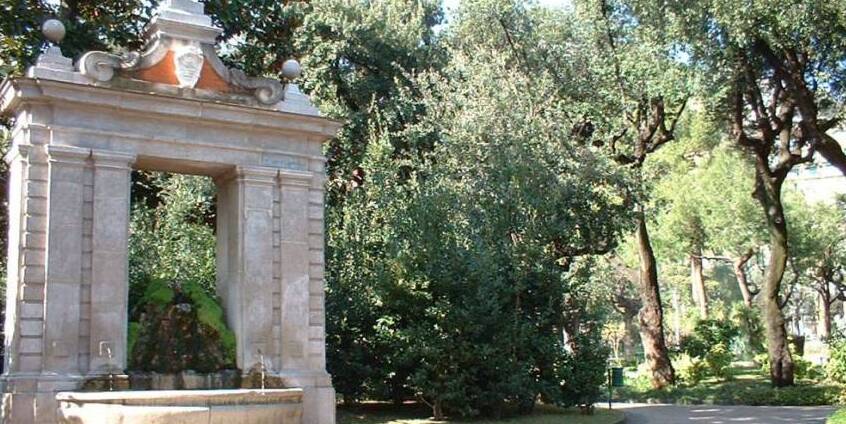

Nestled within the lush confines of the Villa Comunale in Salerno, the Tullius Fountain, also known as the Aesculapius Fountain, stands as a testament to the city’s rich historical tapestry and artistic heritage. Created in 1790, this enchanting Baroque masterpiece invites visitors to witness not only its aesthetic beauty but also the stories that have shaped its existence.
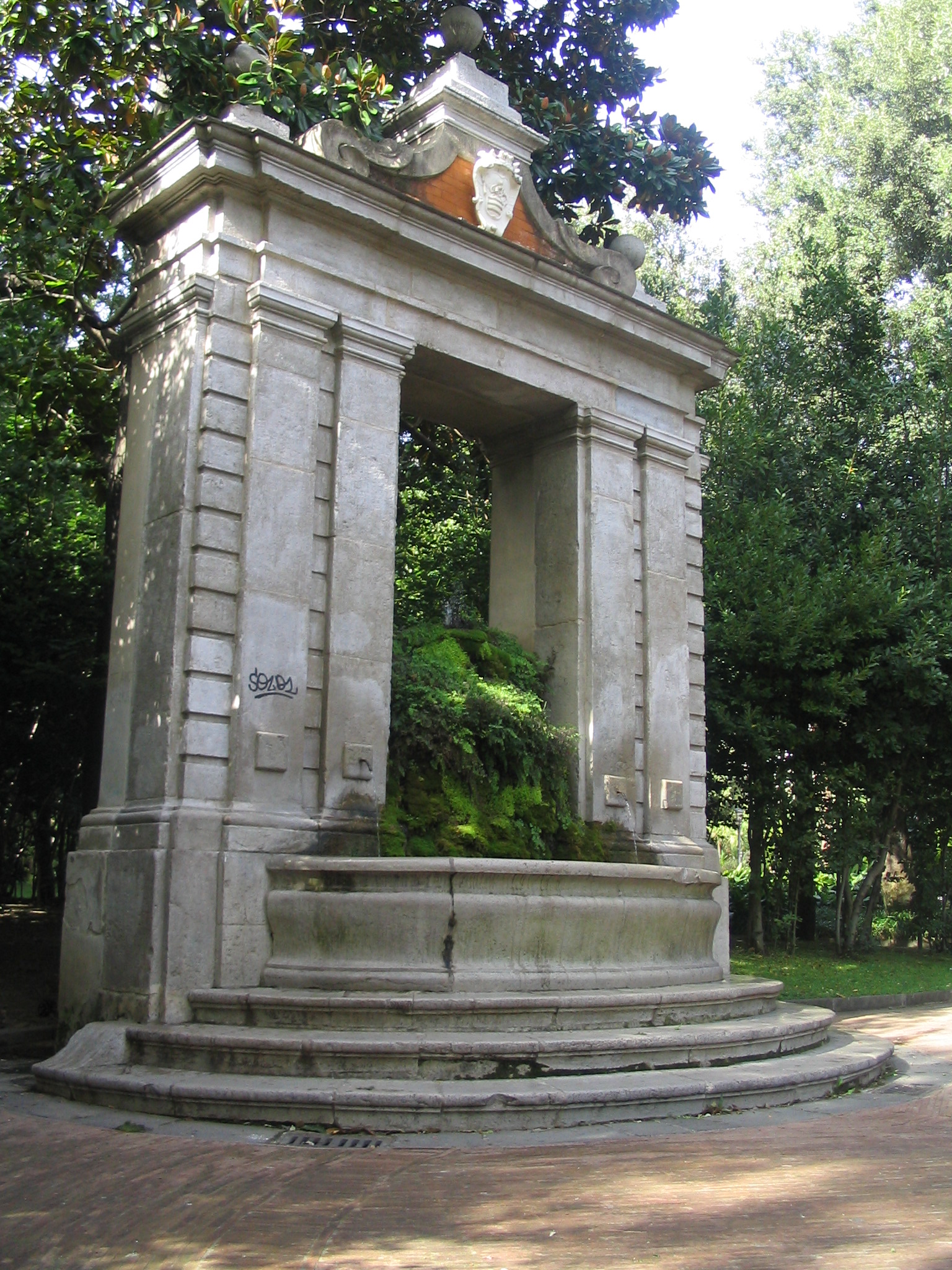
The origins of the Tullius Fountain trace back to a time when Salerno was renowned as a center for medical studies, particularly during the medieval period. The city’s prestigious Medical School of Salerno, one of the oldest in the world, flourished in the 9th century and attracted scholars from across Europe. It is fitting that a fountain dedicated to Aesculapius, the Roman god of medicine, would be erected in a locale celebrated for its healing traditions. Initially, the fountain featured a bust of Aesculapius in its central niche, symbolizing the reverence for health and wellness in the area.
Architecturally, the fountain is a striking example of Baroque style, characterized by its dramatic use of space and ornate detailing. The flowing water, once a source of inspiration for the nearby gardens, now cascades gracefully from the fountain's tiers. Over the years, the original bust was replaced in the 19th century by a charming putto, a cherubic figure that added a whimsical touch to the structure. However, the fountain's narrative took a tragic turn in 1980 when it suffered damage due to an earthquake, resulting in the loss of the small putto—a victim of both nature and vandalism. Thankfully, the fountain was restored, preserving its historical significance for future generations.
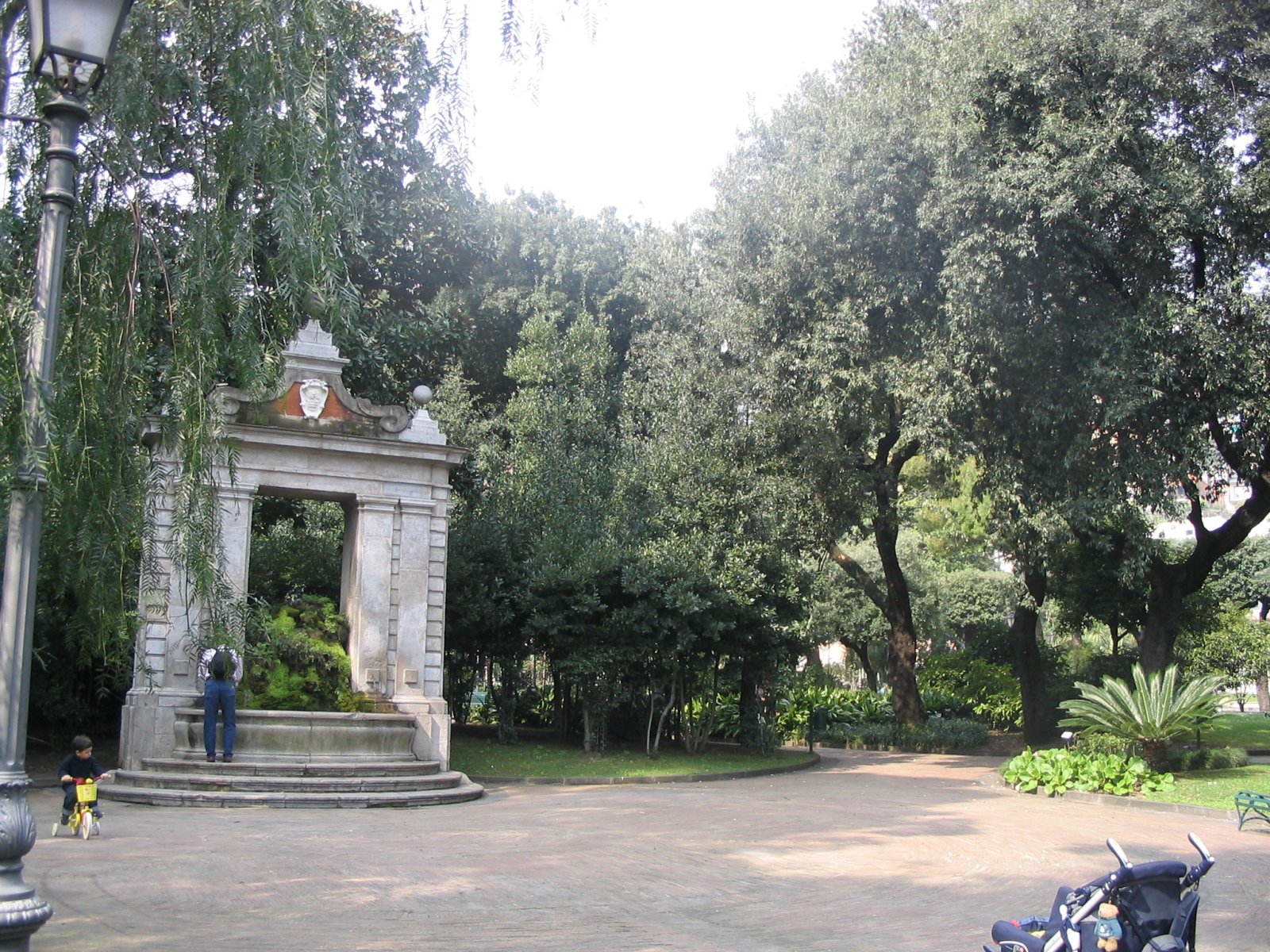
The Tullius Fountain not only serves as a beautiful centerpiece in the Villa Comunale but also plays a role in the local culture and traditions of Salerno. The gardens surrounding the fountain are a popular gathering place for both locals and tourists, particularly during the Festa di San Matteo, celebrated every September. This festival honors Salerno's patron saint, Saint Matthew, and features processions, music, and, of course, an abundance of local delicacies. The fountain, with its serene atmosphere, offers a perfect backdrop for these vibrant celebrations, fostering community spirit and connection.
Speaking of local delicacies, Salerno boasts a rich culinary heritage that complements its cultural landscape. The region is famous for mozzarella di bufala, a creamy cheese made from the milk of water buffalo. Visitors can enjoy this delightful cheese in a classic Caprese salad, paired with ripe tomatoes and fresh basil. Additionally, spaghetti alle vongole, pasta with clams, showcases the coastal influence of Salerno's cuisine, as it lies on the stunning Amalfi Coast. As you savor these dishes, you can’t help but appreciate the connection between the local gastronomy and the natural beauty that surrounds the Tullius Fountain.
For those keen on exploring beyond the surface, there are lesser-known curiosities that add depth to the experience of the Tullius Fountain. One such detail is the fountain's connection to the ancient Roman aqueducts that once supplied Salerno with fresh water. Moreover, the Villa Comunale itself is home to a variety of botanical species, some of which are endemic to the region, making it a hidden gem for nature enthusiasts. Visitors may also stumble upon the charming Cemetery of the Poor, a small yet poignant site dedicated to the city's less fortunate, emphasizing the fountain’s role as a symbol of compassion and care.
The best time to visit the Tullius Fountain is during the spring and early autumn months, when the weather is mild, and the gardens are in full bloom. Weekdays tend to be less crowded, allowing for a more intimate experience. Be sure to take a moment to sit on one of the nearby benches, soaking in the tranquil ambiance, and reflect on the stories intertwined with this remarkable structure. For photography enthusiasts, the golden hour—just before sunset—offers a magical light that beautifully illuminates the fountain and its surroundings.
As you wander through Salerno and immerse yourself in its rich history, vibrant culture, and culinary delights, don’t forget to capture the essence of this remarkable city. The Tullius Fountain stands as a reminder of the past while inviting visitors to dream of the future, making it a must-see during your travels.
For a personalized journey through Salerno’s hidden treasures, consider using the Secret World app to plan your itinerary.


