
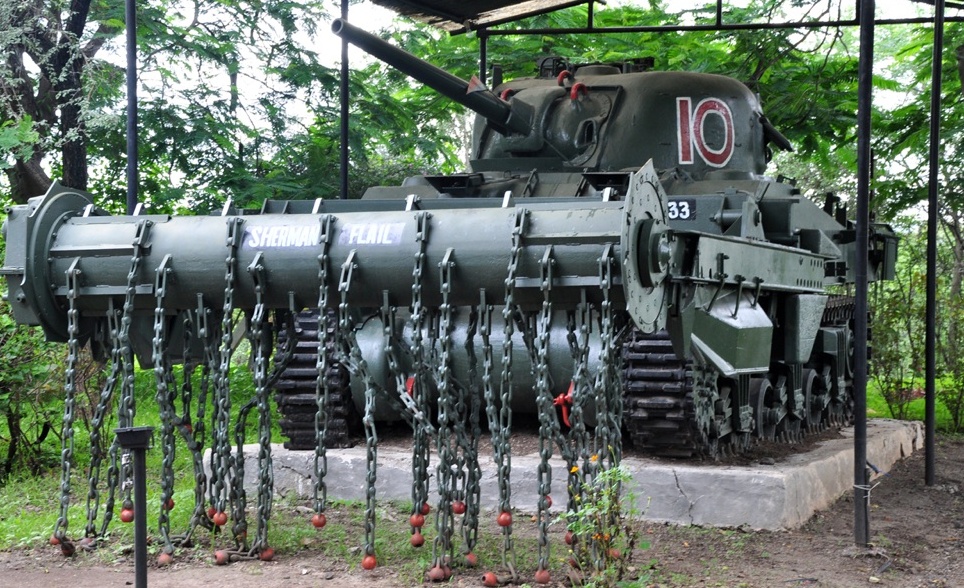

In the heart of Pune, a city teeming with history and modernity, lies the National War Museum, a poignant tribute to the valor and sacrifice of Indian soldiers. Erected in 1997 through a collective effort by the citizens of Pune, this museum is a solemn reminder of the price of freedom and the courage of those who defend it.
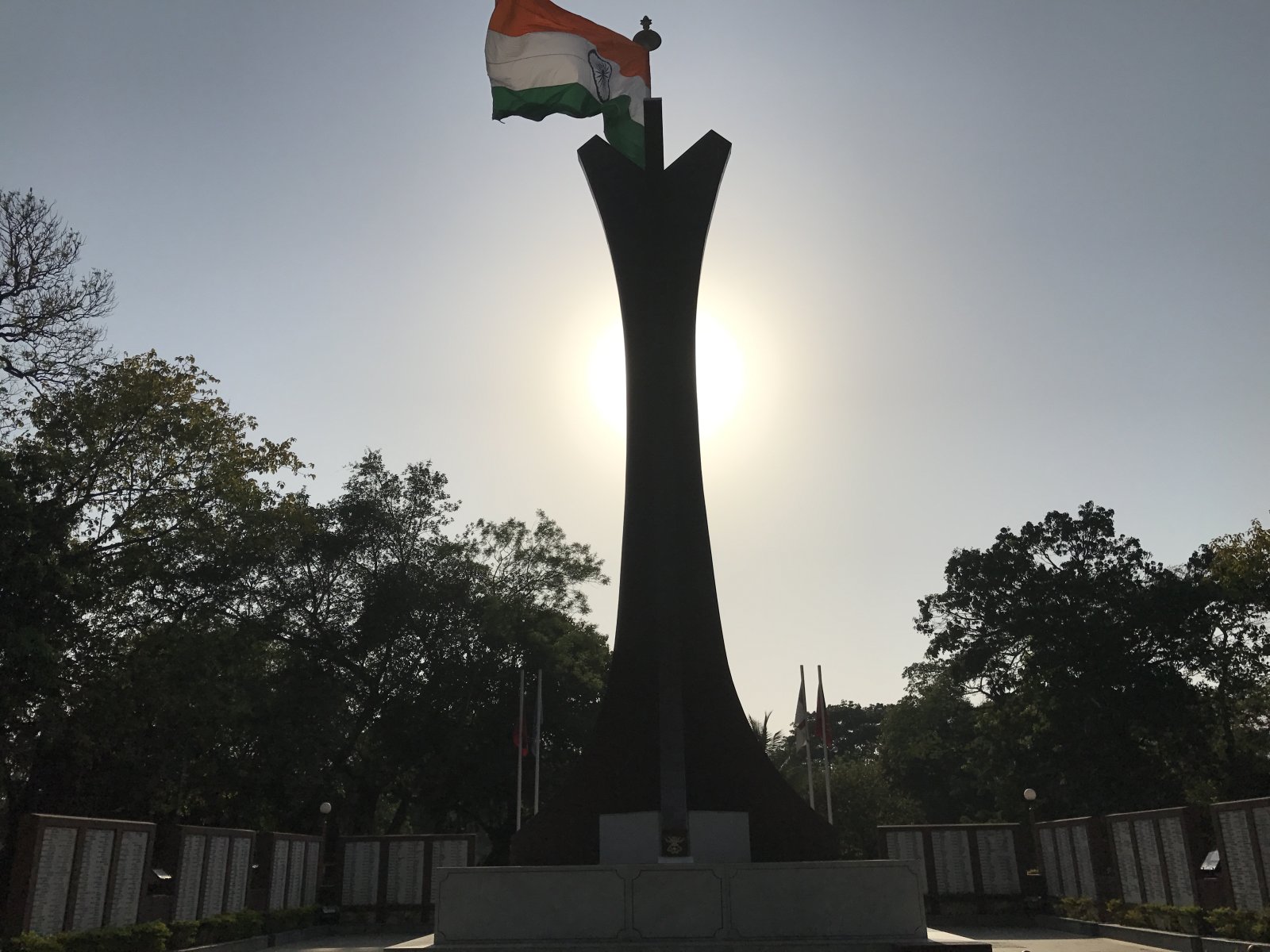
The museum’s story begins against the backdrop of post-independence India, a time when the country was finding its footing as a sovereign nation. The idea for the National War Museum was born from a vision to honor the memories of soldiers who laid down their lives for the nation. Funded entirely by public contributions, it stands as a testament to the patriotic spirit of the people of Pune. The museum was inaugurated on August 15, 1998, India's Independence Day, making it a focal point for national pride and remembrance.
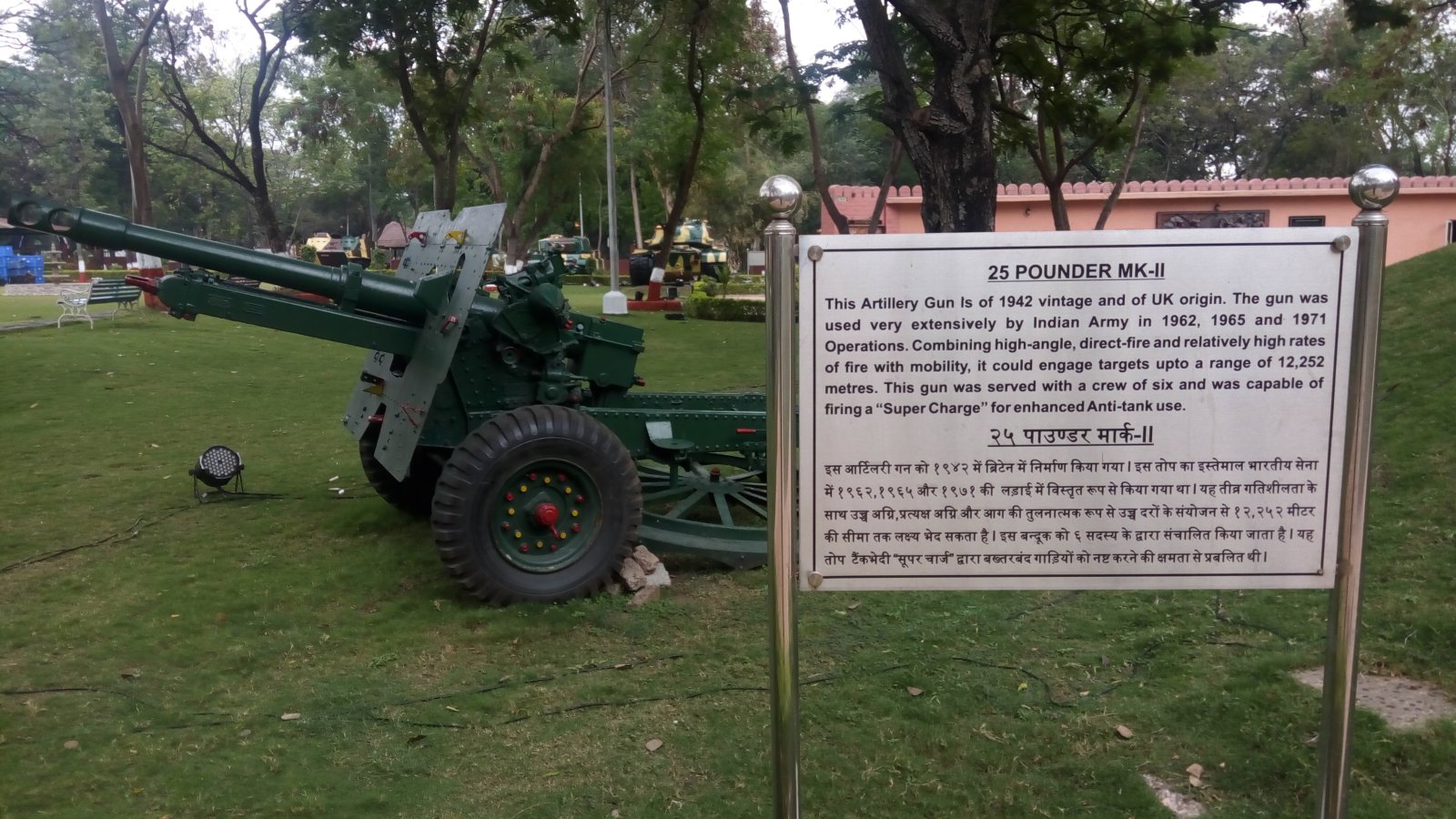
Architecturally, the museum is an imposing sight. Its centerpiece is a 25-foot-high MIG 23 BN, an aircraft used in the Kargil War, which greets visitors at the entrance. The design of the museum is minimalist yet profound, crafted to evoke contemplation. Inside, the museum's galleries house an array of artifacts that narrate stories of bravery. The exhibits include military uniforms, weapons, and personal items belonging to soldiers, each with its own tale of heroism. The design aims to draw visitors into a reflective journey through the corridors of India’s military history.
Pune, a city with a rich tapestry of cultural traditions, provides a fitting backdrop to the National War Museum. Known as the cultural capital of Maharashtra, Pune celebrates its history through numerous festivals and traditions. One such festival is the Ganesh Chaturthi, a ten-day celebration where the city comes alive with processions, music, and dance, reflecting the spirit of community and collective memory akin to the ethos of the museum.
No visit to Pune is complete without indulging in its vibrant gastronomy. The city's culinary landscape is as diverse as its history, with Maharashtrian thali offering a symphony of flavors—from the spicy misal pav to the sweet puran poli. Near the museum, visitors can savor local delicacies such as vada pav, a spicy potato patty encased in a bun, offering a deliciously quick bite that captures the essence of Pune’s street food.
For those seeking to delve deeper into the museum’s lesser-known facets, there are intriguing stories to uncover. One such story is the tale of the Eternal Flame, a tribute to unknown soldiers, which burns ceaselessly as a symbol of undying gratitude. Another hidden gem is the collection of personal letters from soldiers, offering a poignant glimpse into their thoughts and emotions during times of conflict. These letters provide a deeply personal connection to the past, often overlooked by the casual visitor.
Practical information is essential for making the most of a visit to the National War Museum. The best time to explore Pune is between October and February when the weather is pleasant, allowing for leisurely exploration. The museum is open daily from 9:30 AM to 5:30 PM, except on public holidays. It's advisable to visit early in the day to avoid crowds and to allow ample time to absorb the exhibits at a comfortable pace. Photography is permitted, but maintaining silence is requested to respect the solemn nature of the place.
Navigating through the museum, visitors should pay special attention to the Roll of Honour, which lists the names of the soldiers who sacrificed their lives. It is a humbling experience to stand before the names, each representing a story of bravery and devotion. Additionally, guided tours are available, offering insightful narratives that bring the exhibits to life.
In a city where history and progress coexist, the National War Museum stands as a beacon of remembrance and gratitude. It invites visitors not only to reflect on the past but also to appreciate the peace and freedom that have been hard-won. A visit here is not merely an educational journey but an emotional one, leaving an indelible mark on all who pass through its halls.


