
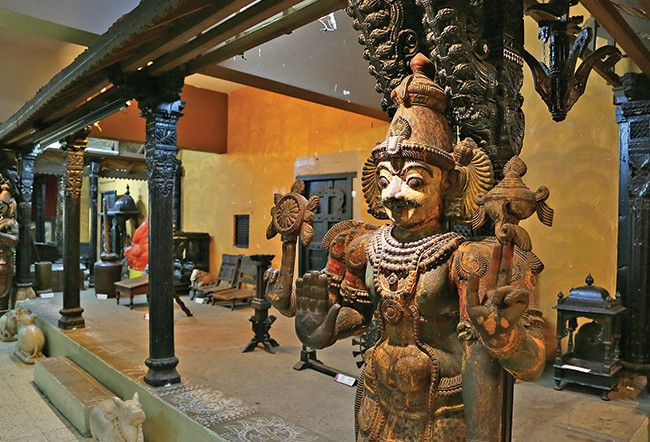

Raja Dinkar Kelkar Museum is not just a repository of art but a vibrant tapestry of India's cultural heritage, nestled in the bustling city of Pune. This museum is a testament to one man's passion for preserving the artistic legacy of a diverse nation. Founded by Dr. Dinkar G. Kelkar, a passionate collector, the museum showcases an eclectic collection that spans centuries and various regions of India.
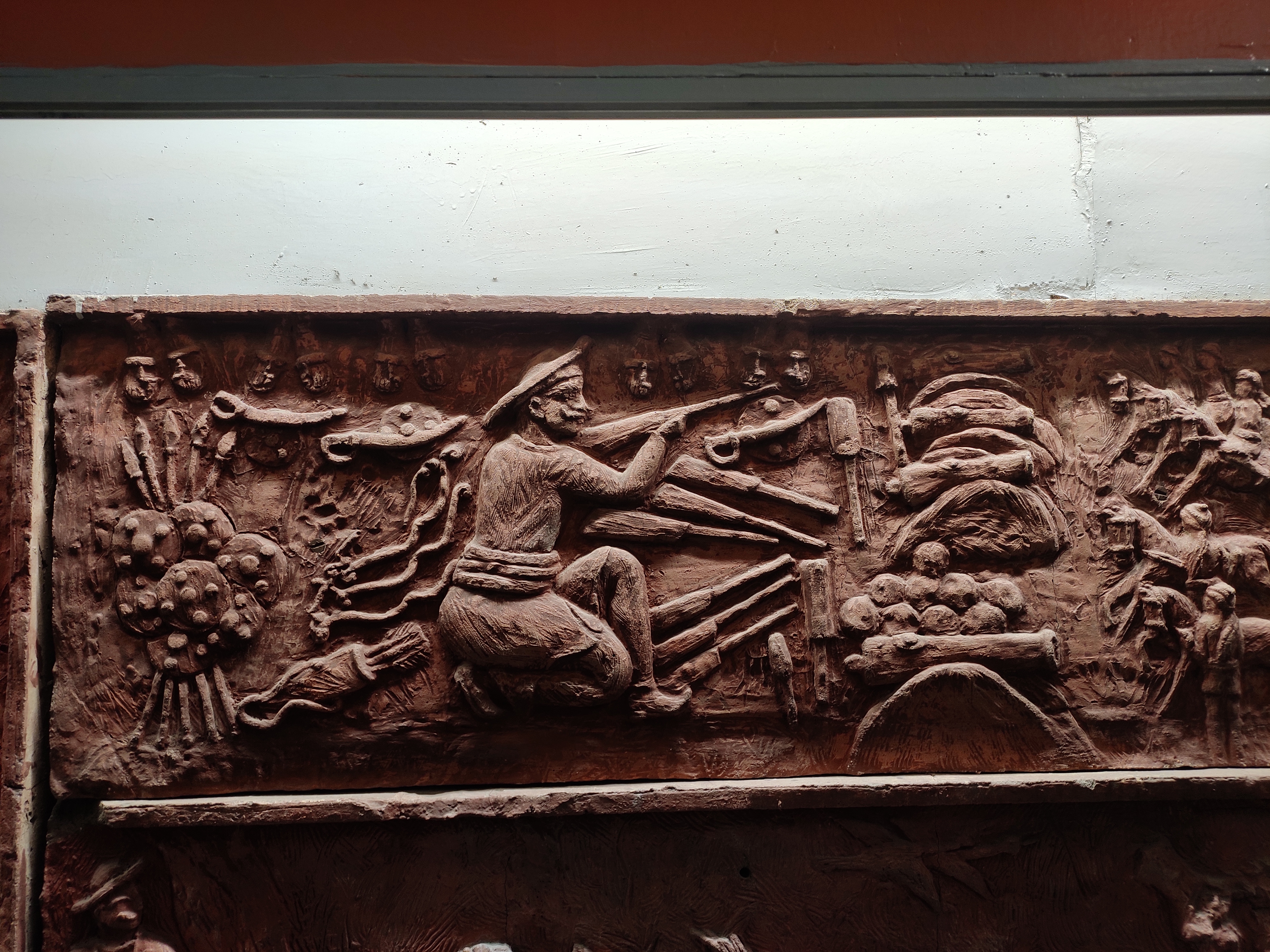
Dr. Kelkar began his collection in 1920, driven by a deep fascination with artifacts that captured the essence of Indian life and culture. By 1962, he had amassed over 15,000 objects, which he generously donated to the Government of Maharashtra to establish the museum. Today, it houses around 21,000 artifacts, with only a fraction on display, offering a window into the past through its varied collections.
The museum's architecture is a blend of traditional and modern styles, reflecting its role as a bridge between eras. The building itself is a labyrinth of corridors and galleries, each offering a new surprise. Its most notable section, the Mastani Mahal, is a reconstructed palace room belonging to the legendary Maratha queen, Mastani. This room is a marvel of craftsmanship, adorned with intricate woodwork and vibrant frescoes, transporting visitors back to the 18th century.
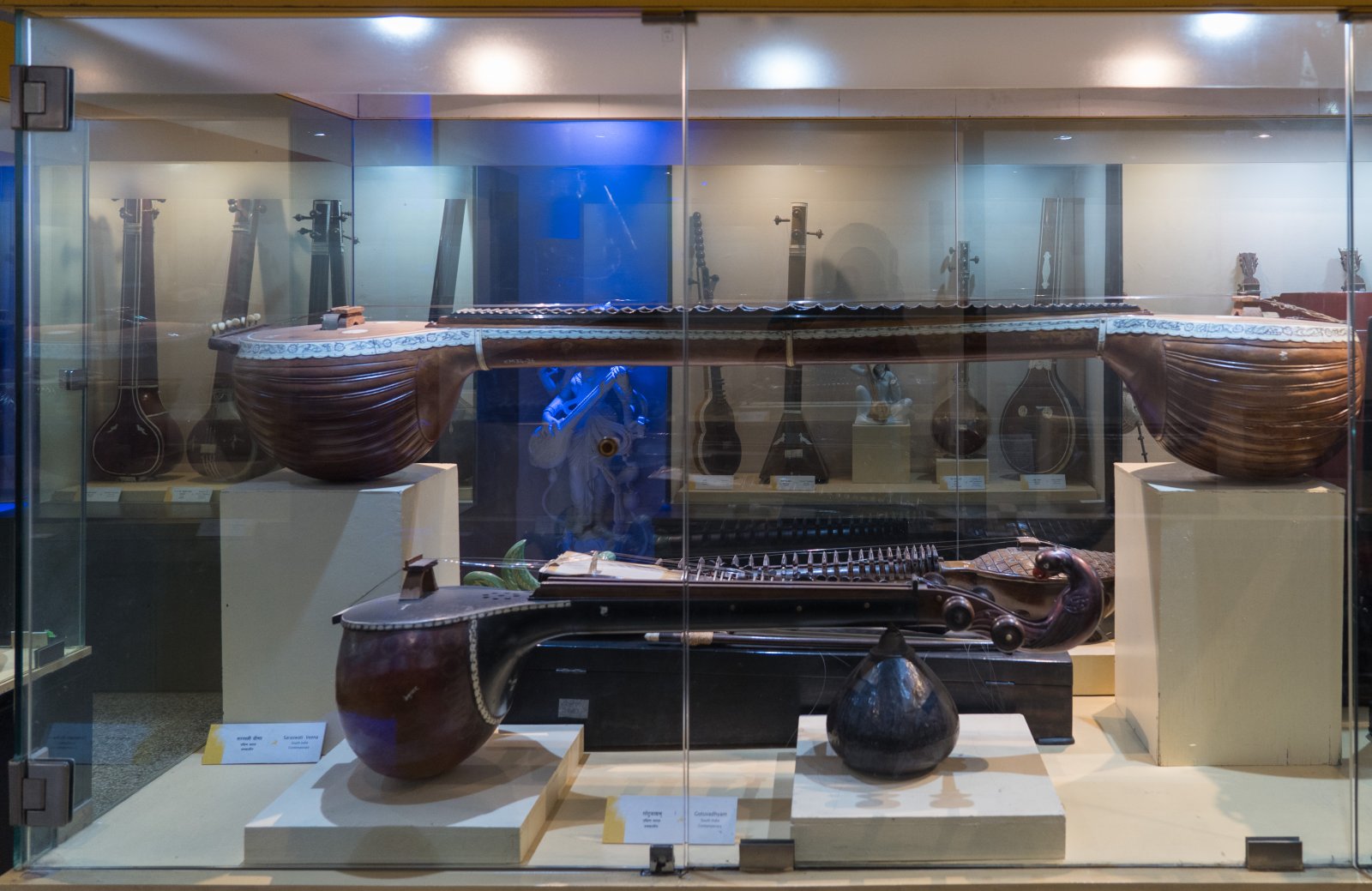
Among the museum's treasures are exquisite ivory carvings, bronze sculptures, and ornate lamps. The musical instruments section is particularly fascinating, showcasing traditional instruments like the sitar and tabla, which resonate with India's rich musical heritage. The collection of arms and armours reveals the artistry of warfare, featuring beautifully crafted swords and shields.
Pune, known for its vibrant cultural festivals like Ganesh Chaturthi and Pune International Film Festival, is a city where tradition and modernity coexist. The museum reflects this spirit, preserving the customs and craftsmanship of a bygone era while being a part of the modern city's cultural landscape.
No visit to Pune is complete without indulging in its culinary delights. The city's gastronomy is a reflection of its diverse heritage, with dishes like Misal Pav, a spicy curry served with bread, and Bakarwadi, a crispy snack, offering a taste of local flavors. These dishes, often enjoyed during festive occasions, connect visitors to the city's vibrant life.
One of the museum's lesser-known curiosities is its collection of Tambol artifacts, which includes traditional betel nut cutters and paan boxes, highlighting the social significance of these items in Indian culture. Another intriguing section is the Lamps gallery, showcasing a variety of lamps used in religious and domestic settings, each with its unique design and story.
For those planning a visit, the best time to explore the Raja Dinkar Kelkar Museum is during the cooler months from October to February. It's advisable to allocate a few hours to fully appreciate the diverse collections. Look out for the leather puppets, a testament to India's rich storytelling traditions, and don't miss the chance to marvel at the terracotta toys, which offer insight into the everyday life of ancient India.
To craft a personalized itinerary for your Pune adventure, consider using the Secret World app for a seamless experience.


