
← Back

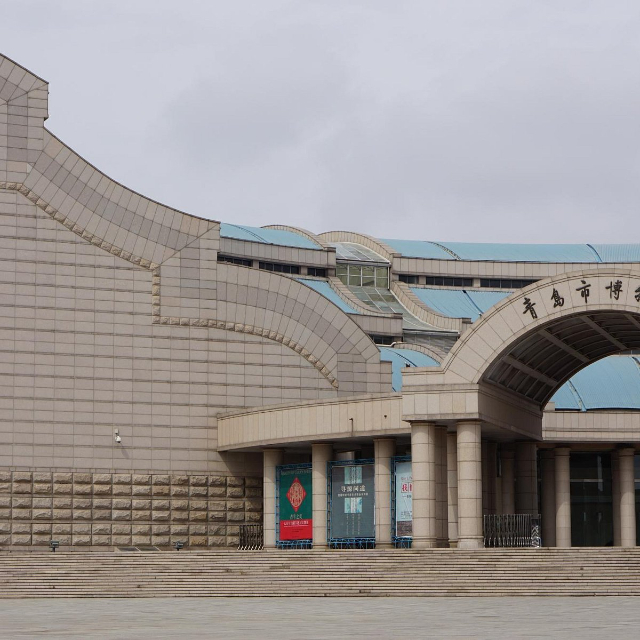
Qingdao Museum of Marine Products

2 Lai Yang Lu, Shi Nan Qu, Qing Dao Shi, Shan Dong Sheng, China, 266005 ★★★★☆ 294 views
Myles Beck
Qing Dao Shi
🏆 AI Trip Planner 2026

Get the free app

Discover the best of Qing Dao Shi with Secret World — the AI trip planner with 1M+ destinations. Get personalized itineraries, hidden gems and local tips. Free on iOS & Android.

🧠 AI Itineraries 🎒 Trip Toolkit 🎮 KnowWhere Game 🎧 Audio Guides 📹 Videos
Scan to download iOS / Android
Scan for AppGallery Huawei users

About Qingdao Museum of Marine Products

Qingdao Museum of Marine Products - Qing Dao Shi | Secret World Trip Planner

Nestled within the serene surroundings of Luxun Park in Qingdao, the Qingdao Museum of Marine Products stands as a specialized tribute to the rich maritime fishery of China. Originally constructed in 1930 through the merger of the Shandong Fishery Hall and Qingdao People's Museum, this museum has become a vital repository of knowledge, showcasing the intricate relationship between Qingdao and its maritime heritage.

The museum boasts an impressive collection of 1,950 breeds of specimens, totaling 20,000 items. Within this extensive collection, 1,100 breeds comprising 15,000 pieces belong to invertebrates, 700 breeds totaling 3,000 pieces represent vertebrates, and 150 breeds amount to 2,000 pieces of algae.

Divided into two halls, the exhibition hall and the aquarium hall, the museum offers a comprehensive exploration of marine life. The exhibition hall showcases over 800 specimens, featuring a diverse array of sea creatures such as protozoan, poriferan, coelenterate, mollusk, fishes, chelonians, sea snakes, and whales. Notable specimens include the precious North Sea lion and North Sea dog, first discovered along the Chinese coast, along with a 14-meter-long, 22-ton sperm whale – the first and largest toothed whale ever captured in China.

The aquarium hall presents a vibrant display of living aquatic animals, including jellyfish, ormer, sea cucumber, prawn, and black porgy. A highlight of the collection is the presence of three penguins and sea dogs generously presented by the China Polar Inspection Team. Visitors can marvel at more than 60 glass tanks filled with a variety of tropical fish, adding to the immersive and educational experience offered by the Qingdao Museum of Marine Products.

 
🗺 AI Trip Planner

Plan your visit to Qing Dao Shi

Suggested itinerary near Qingdao Museum of Marine Products

MAJ+
500.000+ travelers worldwide
  1. 🌅
    Morning
    Qingdao Museum of Marine Products
    📍 Qing Dao Shi
  2. ☀️
    Afternoon
    Underwater World Qingdao,
    📍 0 km · Qing Dao Shi
  3. 🌆
    Evening
    Lu Xun Park
    📍 0.4 km · Qing Dao Shi

Buy Unique Travel Experiences

Powered by Viator

See more on Viator.com

Explore nearby · Qing Dao Shi

Frequently Asked Questions

The Qingdao Museum of Marine Products is nestled within the serene surroundings of Luxun Park in Qingdao, making it easily accessible as part of a park visit. The location provides a peaceful setting to explore China's rich maritime fishery heritage.
The museum boasts an impressive collection of 1,950 breeds of specimens, totaling 20,000 items. This includes 1,100 breeds of invertebrates (15,000 pieces), 700 breeds of vertebrates (3,000 pieces), and 150 breeds of algae (2,000 pieces).
The museum was originally constructed in 1930 through the merger of the Shandong Fishery Hall and Qingdao People's Museum. This historic establishment reflects Qingdao's long-standing connection to maritime culture and fishery traditions.
The museum is divided into two main halls: the exhibition hall and the aquarium hall, offering a comprehensive exploration of marine life. The exhibition hall alone showcases over 800 specimens, featuring diverse sea creatures from various marine species.
Visitors can observe a diverse array of sea creatures including protozoan, poriferan, coelenterate, mollusk, and other marine species across the museum's extensive collection. The museum's displays cover the complete spectrum of marine biodiversity found in China's maritime regions.
