
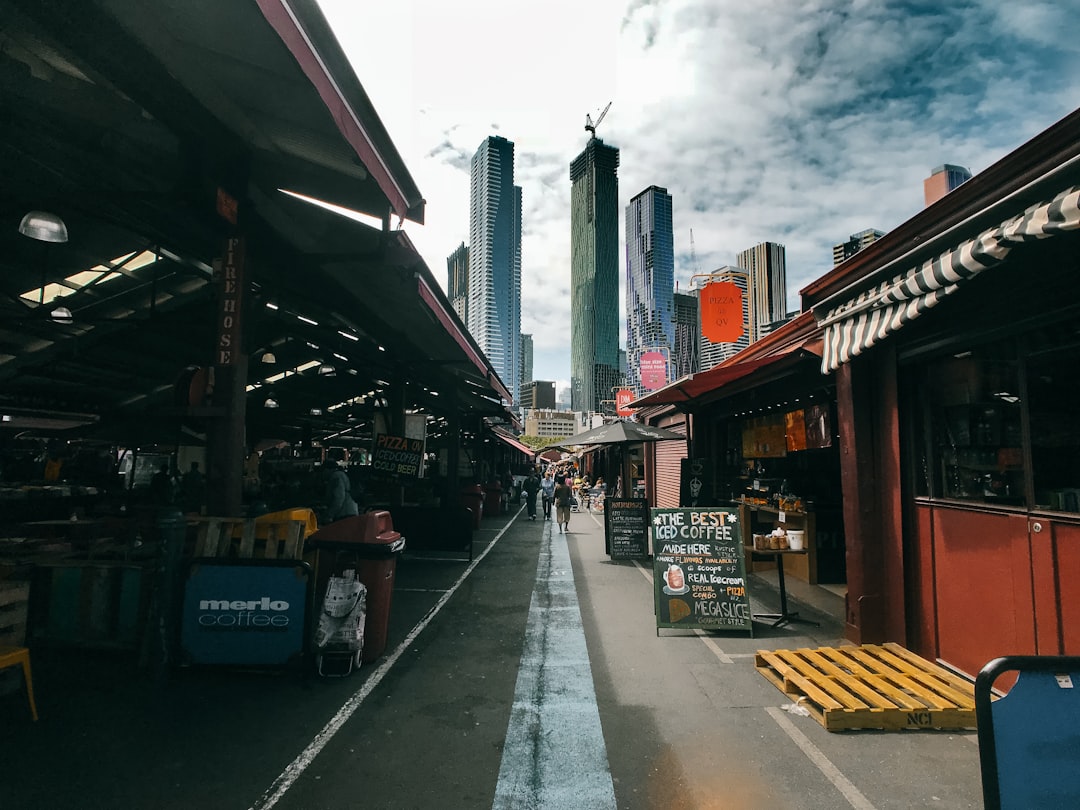

The smell of coffee mixes with that of freshly ground spices and bread baked at dawn. It is seven in the morning and the Queen Victoria Market in Melbourne is already bustling: the stallholders are arranging pyramids of colorful fruit, the butchers are hanging the cuts of the day, and the florists are displaying bouquets that seem to explode with color under the wrought iron awnings. This is not a market for posing tourists — it is the place where Melburnians have been coming to shop for generations.
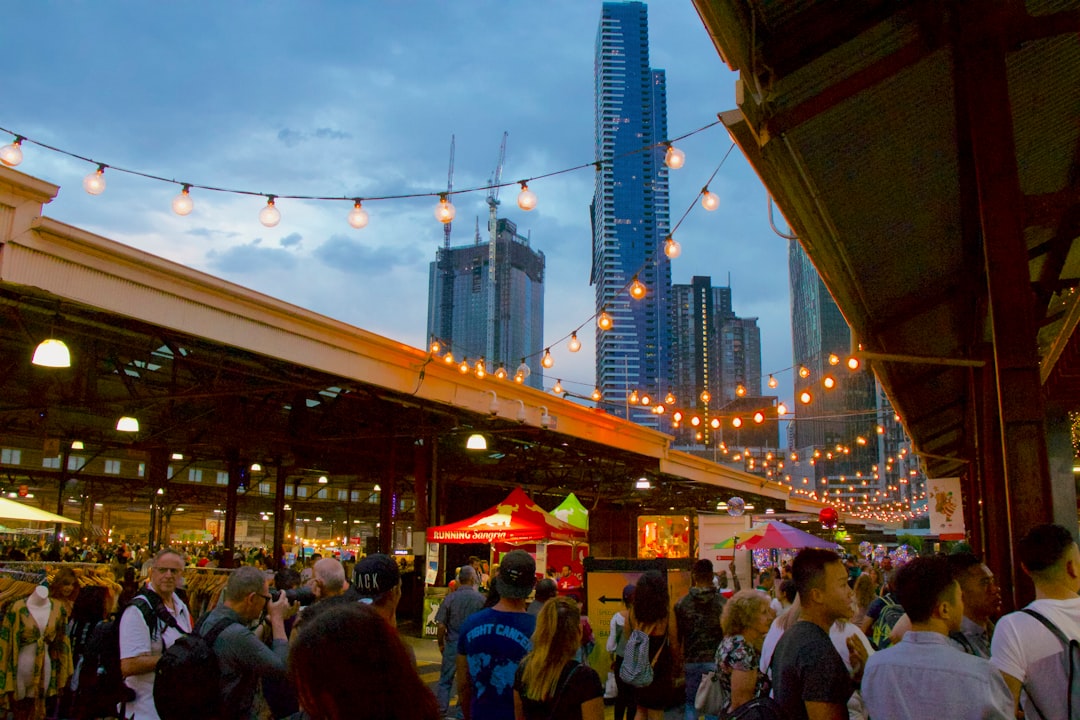
Officially opened in 1878, the Queen Victoria Market is the largest open-air market in Australia, covering an area of about 7 hectares in the heart of the city. Its structures are classified as historic heritage of the state of Victoria, and it is not hard to see why: the red brick sheds and the long wooden and iron arches that cover them tell a story of 19th-century mercantile architecture that has been demolished or transformed into shopping centers elsewhere. Here it has remained standing, and continues to do its job.
A maze of colors and scents

Walking among the stalls of the fruit and vegetable section — simply called the Deli Hall by locals for the covered part — is a dense sensory experience. The shouts of the vendors overlap in a disordered and cheerful chorus: someone offers tastings of aged cheese, while another pours olives into wax paper bags. The dominant colors are those of the season — in summer mangoes and cherries, in winter purple cabbages and citrus fruits — but there are also the intense reds of hanging cured meats and the milky white of mozzarella in tubs of water.
The outdoor section dedicated to fruits and vegetables is the one worth visiting first, when the products are still fresh and the prices have not been adjusted. Here you can find vendors who have been working with the same suppliers for decades, and it is not uncommon to hear conversations in Italian, Greek, or Vietnamese — a direct reflection of the waves of migration that have shaped Melbourne in the twentieth century. Many of the names on the stall signs are Italian or Greek, a legacy of families that settled in this city starting from the 1950s.

The historical structures and what to observe
Those who pay attention to architecture will notice that the main sheds — the so-called Shed A, B, C, D, E, F, and G — are iron and wood constructions dating back to the late nineteenth century and early twentieth century. The shed roofs with glass skylights allow natural light to enter diffusely, creating an illumination that changes with the hours of the day. In the early hours of the morning, when the sun is low, the rays filter obliquely between the beams and illuminate the steam rising from the hot food counters.

It is worth looking for the old ceramic tiles still visible in some areas of the market, and the original cast iron structures that support the canopies. These are details that many visitors overlook, but they tell the story of the care with which the market has been maintained over nearly one hundred and fifty years of continuous operation.
Human Stories Among the Stalls

The market is not just about products: it is also a place where people stop. There are street food stalls offering cuisines from around the world — from Turkish cuisine to Korean, from Chinese dumplings to Australian pies — and informal tables where people sit with a paper cone in hand. The clientele is mixed: elderly people with shopping carts, families with children, young professionals with their week’s groceries. On weekend mornings, the market also hosts a section for crafts and vintage products, attracting a different audience compared to weekdays.
The older vendors often know their customers by name. This is not rhetoric: it is simply what happens when a market truly functions as a landmark for a neighborhood and a city.
Practical tips for visiting
The best time to visit is early morning on weekdays — Tuesday, Wednesday, Thursday, or Friday — when the crowd is manageable and fresh products have just arrived. Saturday morning is the busiest day of the week, with lines at the most popular stalls and less space to move between the aisles. On Sunday, the market is closed in most of its sections, so it’s best to check the calendar on the official website before going.
The market is located on Elizabeth Street, in the Melbourne CBD area, and is accessible by tram from many parts of the city — the stops are just a short walk from the main entrance. Allowing at least two hours to visit it calmly is a reasonable estimate, but those who want to do serious shopping or stop to eat something should plan for even more time. Entrance is free.


