
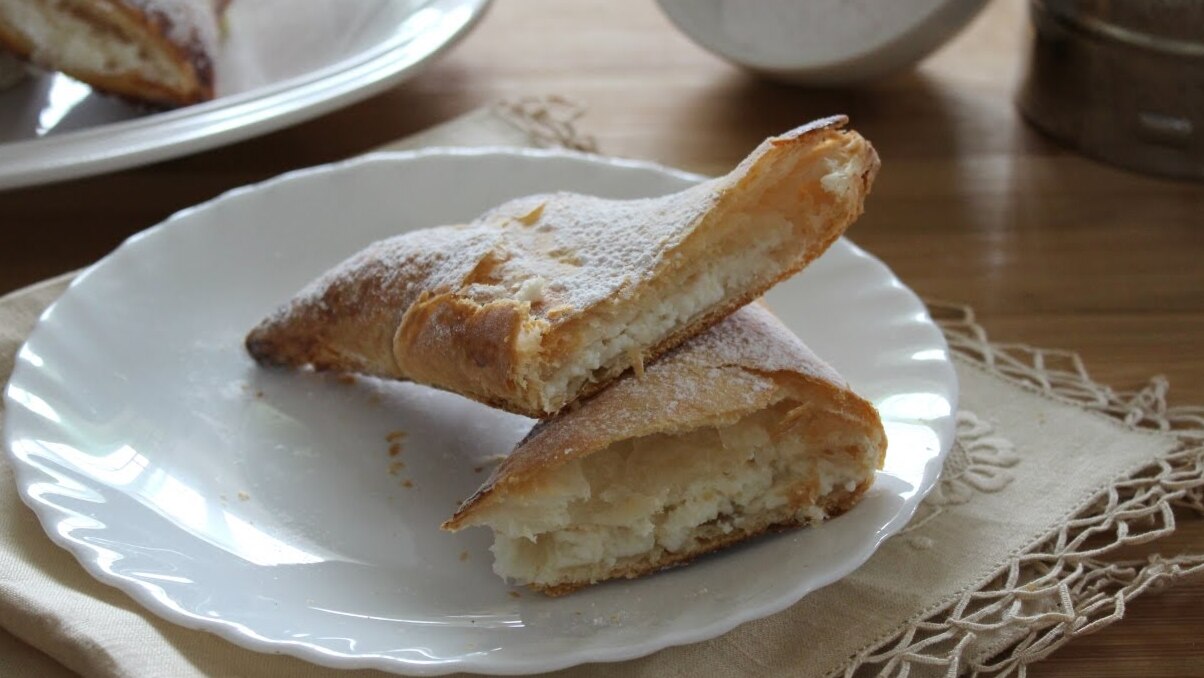

In the heart of Catania, beneath the imposing silhouette of Mount Etna, a simple yet irresistible culinary delight awaits: Raviole fritte catanesi. These fried crescents, filled with creamy ricotta, are not only a staple of the Sicilian breakfast table but a delicious gateway into the rich tapestry of Catanian culture and history.
The origins of Raviole alla Ricotta are intertwined with the broader culinary evolution of Sicily, a land where diverse cultures have left their indelible marks. With influences from the Greeks, Arabs, Normans, and Spanish, Sicilian cuisine is a testament to the island's storied past. The use of ricotta—a soft, creamy cheese—can be traced back to the Arab period in Sicily, when sweet and savory dishes often featured this versatile ingredient. Over time, the simple yet decadent raviola morphed into a beloved breakfast treat, celebrated for its perfect balance of crispy exterior and luscious filling.
As you stroll through the bustling streets of Catania, the scent of freshly fried ravioli wafts through the air, mingling with the aroma of robust Italian espresso. This culinary experience is best enjoyed amidst the backdrop of Catania's Baroque architecture, a testament to the city's resilience and artistic spirit. Rebuilt after the devastating earthquake of 1693, the city boasts a stunning array of churches and palazzi adorned with intricate stonework and expressive sculptures. The Piazza del Duomo, with its iconic Fontana dell'Elefante—a symbol of Catania carved from volcanic rock—serves as a magnificent focal point for both locals and visitors.
Catania’s cultural pulse beats strongly during its vibrant festivals. The Festa di Sant'Agata, held every February, is a three-day celebration honoring the city’s patron saint. Thousands of devotees participate in processions, donning white tunics and carrying candles as they weave through the streets. This festival is not only a spiritual affair but also a gastronomic one, with numerous food stalls offering traditional delights, including, of course, raviole fritte.
Beyond the well-trodden paths, Catania holds lesser-known treasures waiting to be discovered. One such curiosity is the Monastero dei Benedettini, one of Europe's largest Benedictine monasteries. This architectural marvel, now part of the University of Catania, reveals layers of history from its Renaissance cloisters to its 18th-century additions, offering an intriguing glimpse into Catania's monastic life.
For those seeking a deeper dive into local gastronomy, Catania offers a feast for the senses. Alongside raviole fritte, visitors can savor arancini—golden, deep-fried balls of rice filled with ragù or mozzarella—and pasta alla Norma, a dish named after Vincenzo Bellini's famed opera, featuring eggplant, tomato, and ricotta salata. Seafood lovers will delight in the Pescheria, Catania's bustling fish market, where the freshest catches are displayed amidst lively banter and the occasional theatrical outburst from vendors.
Planning a visit to Catania offers its own rewards. The best time to explore this vibrant city is during the spring (April to June) or autumn (September to October) when the weather is pleasant and the streets are less crowded. To fully enjoy the local experience, an early morning visit to a local pasticceria is a must, where you can savor a freshly made raviola alongside a steaming cup of caffè. Keep an eye out for the subtle variations in filling and preparation that different bakeries offer.
In conclusion, Catania is more than just a city; it is a living, breathing tapestry of history, art, and culinary delight. Whether you're wandering its Baroque streets, participating in its vibrant festivals, or indulging in its delectable cuisine, Catania invites you to savor the flavors and stories of a city that has weathered the sands of time with grace and gusto.


