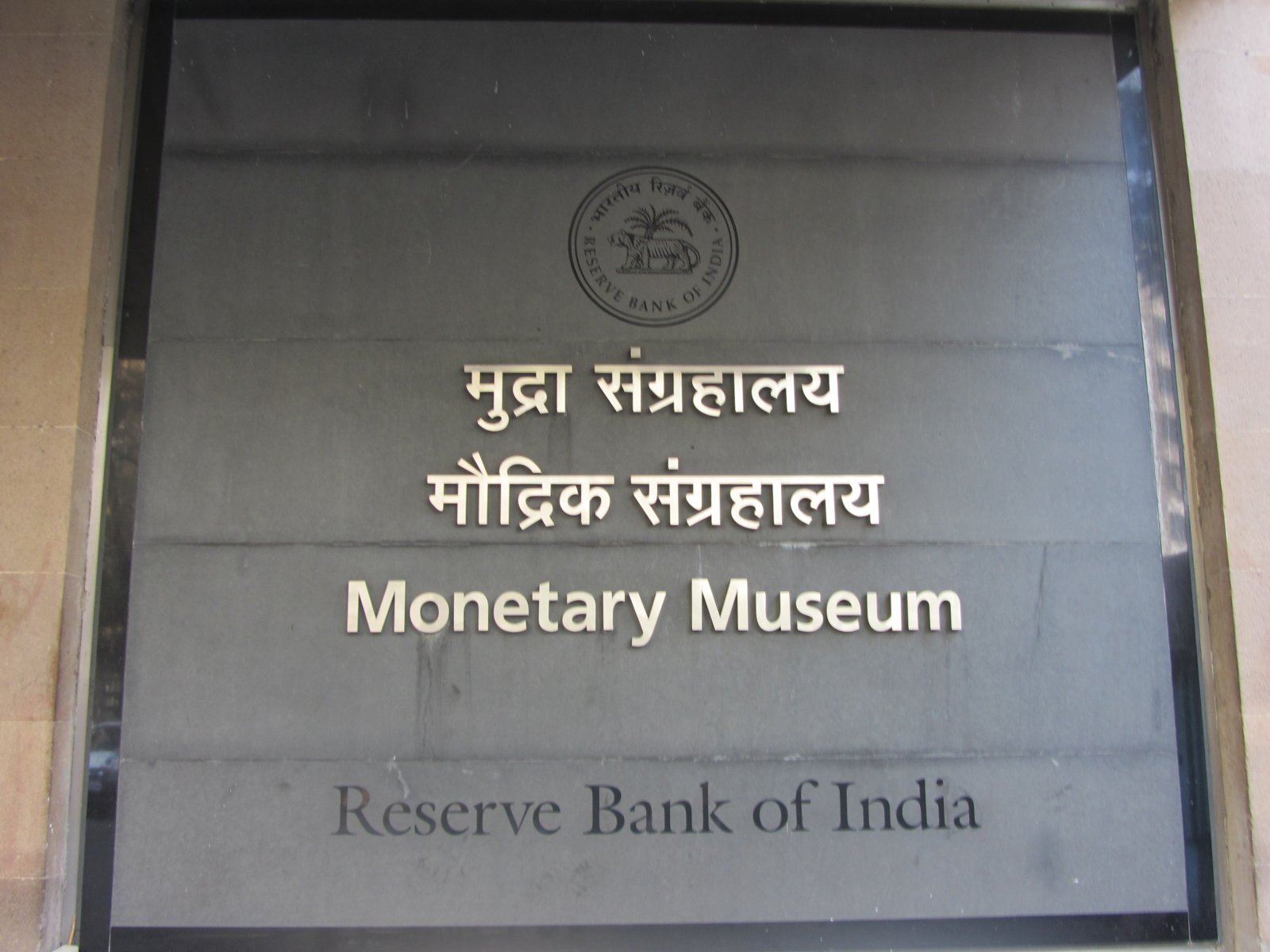

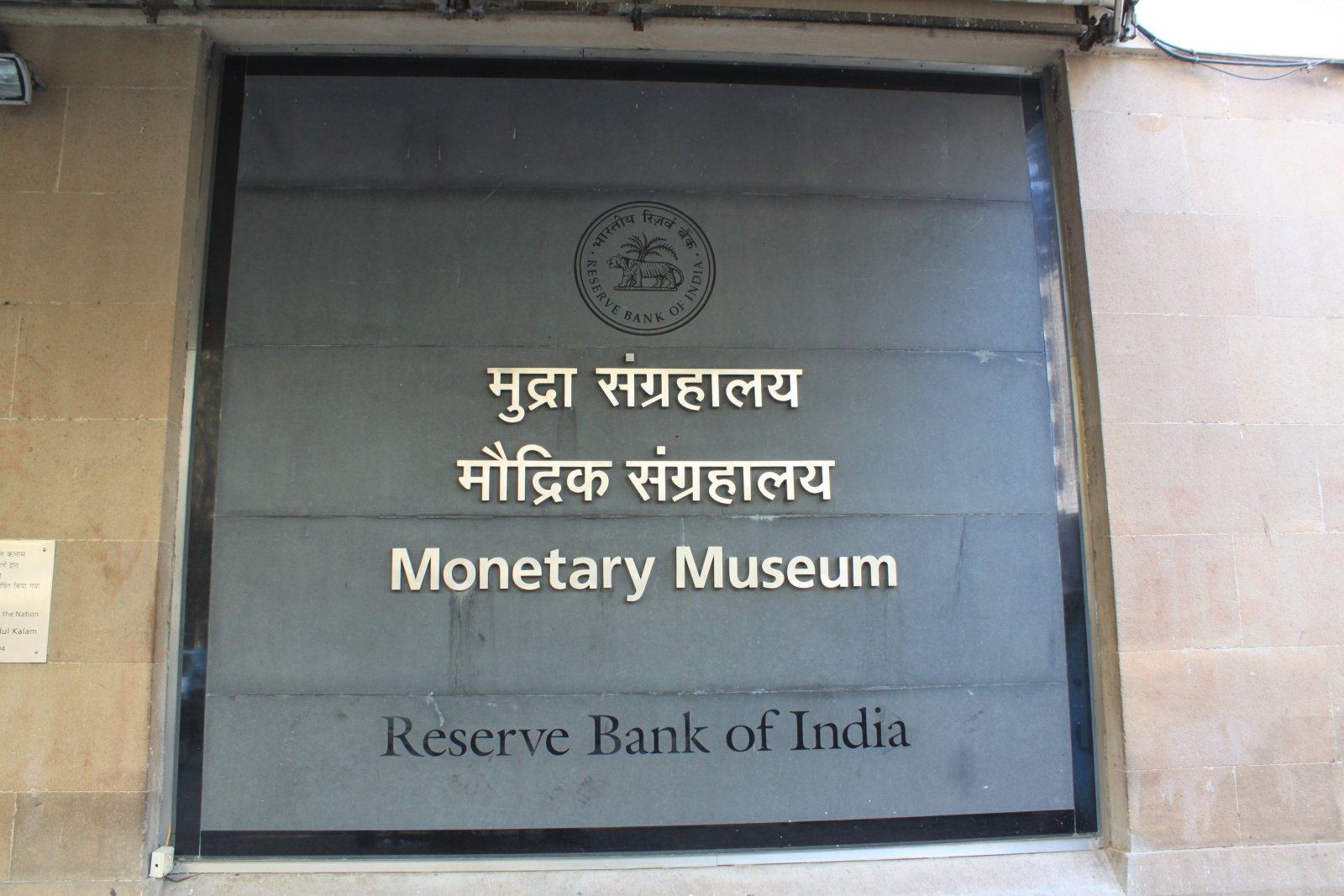
Nestled in the bustling financial heart of Mumbai, the RBI Monetary Museum stands as a testament to the rich tapestry of India's economic evolution. This unique institution, inaugurated in 2004 by the esteemed former President Dr. A.P.J. Abdul Kalam, is much more than just a repository of currency; it is a voyage through time that chronicles the intricate relationship between society and money.
### History and Origins
The concept of the museum stems from India's long-standing history with commerce and trade. Dating back to ancient times, the Indian subcontinent saw various systems of exchange, from the rudimentary barter system to the emergence of metal coins around 600 BCE. The museum's exhibits trace this evolution, showcasing the transition from early coins, such as the punch-marked coins of the Mahajanapadas, to the intricately designed coins of the Maurya and Gupta empires.
In the late 19th and early 20th centuries, as the British Raj established a more structured economy, the introduction of paper money marked a pivotal shift. The museum houses examples of currency notes from different eras, including the Reserve Bank of India’s first note issued in 1938. These artifacts not only represent monetary transactions but also reflect the socio-political changes in the country.
### Art and Architecture
The architectural design of the RBI Monetary Museum is as captivating as its content. The museum itself is housed in a modern building that harmoniously blends contemporary design with elements reflective of Indian cultural motifs. Inside, the galleries are carefully curated, featuring interactive displays and multimedia presentations that engage visitors in the narrative of money’s evolution.
Among the notable artworks are the intricately designed coins and notes, which serve as miniature canvases showcasing the artistic tendencies of their respective eras. The museum also features sculptures and installations that embody the themes of trade and economy, enhancing the visitor's experience through visual storytelling.
### Local Culture and Traditions
The RBI Monetary Museum is located in Fort, a historic district of Mumbai that pulsates with cultural significance. Fort is not only home to the museum but also a plethora of local customs and traditions. Visitors can witness the vibrant festivals celebrated in the city, such as Diwali, the Festival of Lights, which underscores the importance of prosperity and wealth in Indian culture.
Additionally, the area is known for its bustling markets, where the spirit of commerce is alive. The Kala Ghoda Arts Precinct, nearby, hosts art festivals and cultural events that celebrate Mumbai's diverse heritage, making the museum a vital part of the broader cultural landscape.
### Gastronomy
No visit to Mumbai would be complete without indulging in its culinary delights. The vicinity of the RBI Monetary Museum offers a variety of local foods that reflect the city’s eclectic palate. From the ever-popular vada pav—a spicy potato fritter sandwich—to pav bhaji, a flavorful vegetable mash served with buttered bread, Mumbai’s street food is a gastronomic adventure.
For those seeking a more refined dining experience, nearby restaurants serve traditional Maharashtrian cuisine, such as puran poli (sweet flatbread) and modak (sweet dumplings). Pair your meal with a glass of masala chai or a refreshing kokum drink to experience the local flavors fully.
### Lesser-known Curiosities
While the museum's primary focus is on currency, many visitors overlook the stories behind certain artifacts. For instance, one of the standout pieces is a gold coin that belonged to Sher Shah Suri, the founder of the Suri Empire in the 16th century. This coin not only represents the currency of its time but also reflects Sher Shah’s innovative approach to governance, as he standardized the currency system in India.
Another captivating detail is the story of the RBI’s first banknote, which was issued during a tumultuous period in Indian history. Understanding the context behind this currency provides insight into the challenges faced by the newly established Reserve Bank.
### Practical Visitor Information
The RBI Monetary Museum is open to the public, with free entry, making it an accessible destination for both locals and tourists. The best time to visit is during the cooler months from November to February, when Mumbai's weather is pleasant.
Visitors should plan to spend at least an hour exploring the galleries. Don’t miss the interactive displays that allow you to engage with the exhibits in unique ways. It’s advisable to take guided tours if available, as they provide deeper insights into the artifacts and their historical significance.
For those looking to explore the surrounding area, make sure to wear comfortable shoes, as a stroll through the nearby markets and parks can be a delightful way to experience the local culture.
As you embark on this journey through the evolution of money, consider using the Secret World app to craft a personalized AI itinerary for your Mumbai adventure.