


In the heart of Paris, where history whispers through cobblestone streets, stands the Chapelle de la Sorbonne, a remarkable testament to the influence of one of France's most powerful men: Cardinal Richelieu. This chapel is not merely a religious edifice; it is a prism through which one can view the complex interplay of power, art, and academia that shaped 17th-century France.
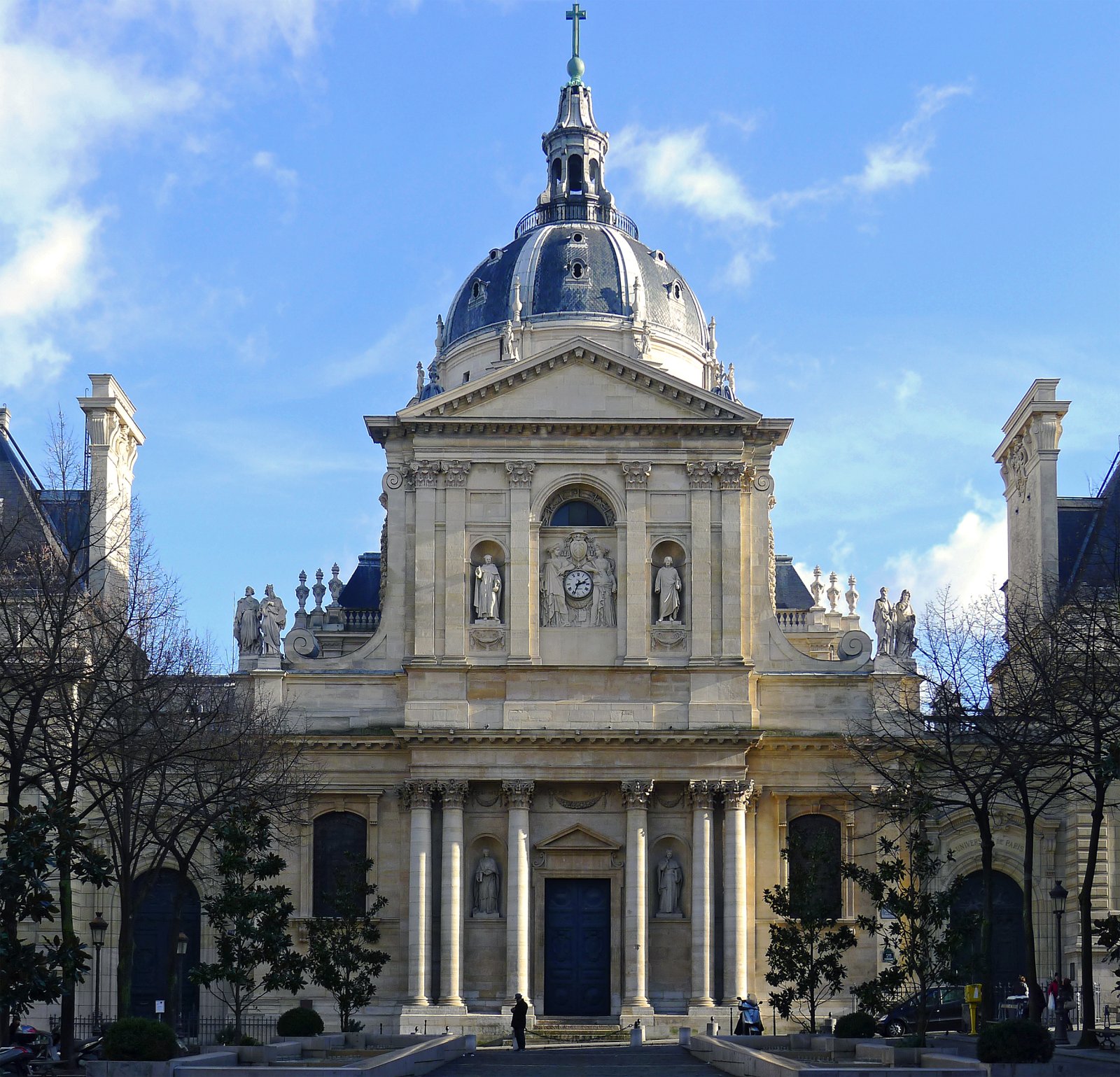
The story of the Chapelle de la Sorbonne begins in 1622, amidst the backdrop of a country eager to assert its cultural dominance. Cardinal Richelieu, the chief minister to King Louis XIII, envisioned the Sorbonne as a center of theological and intellectual might. The chapel was commissioned as part of his grand design, an embodiment of the Catholic Reformation and a place where faith could meet reason. Completed in 1642, just before Richelieu's death, the chapel served as a spiritual nexus for the university and a symbol of the cardinal's enduring legacy.
Architecturally, the chapel is a Baroque masterpiece, attributed to the architect Jacques Lemercier, who also lent his talents to the design of the Palais Royal. The structure's façade is a study in classical harmony, its symmetry and restrained ornamentation a nod to the Italian influences that swept through Europe during the Baroque period. Inside, the chapel's dome soars, drawing the eye heavenward in a metaphorical ascension that mirrors its spiritual purpose. Adorning the chancel is Richelieu's marble cenotaph, an artistic triumph that captures the cardinal in repose, framed by allegorical figures representing theology and science—an eternal homage to his dual role as both churchman and scholar.
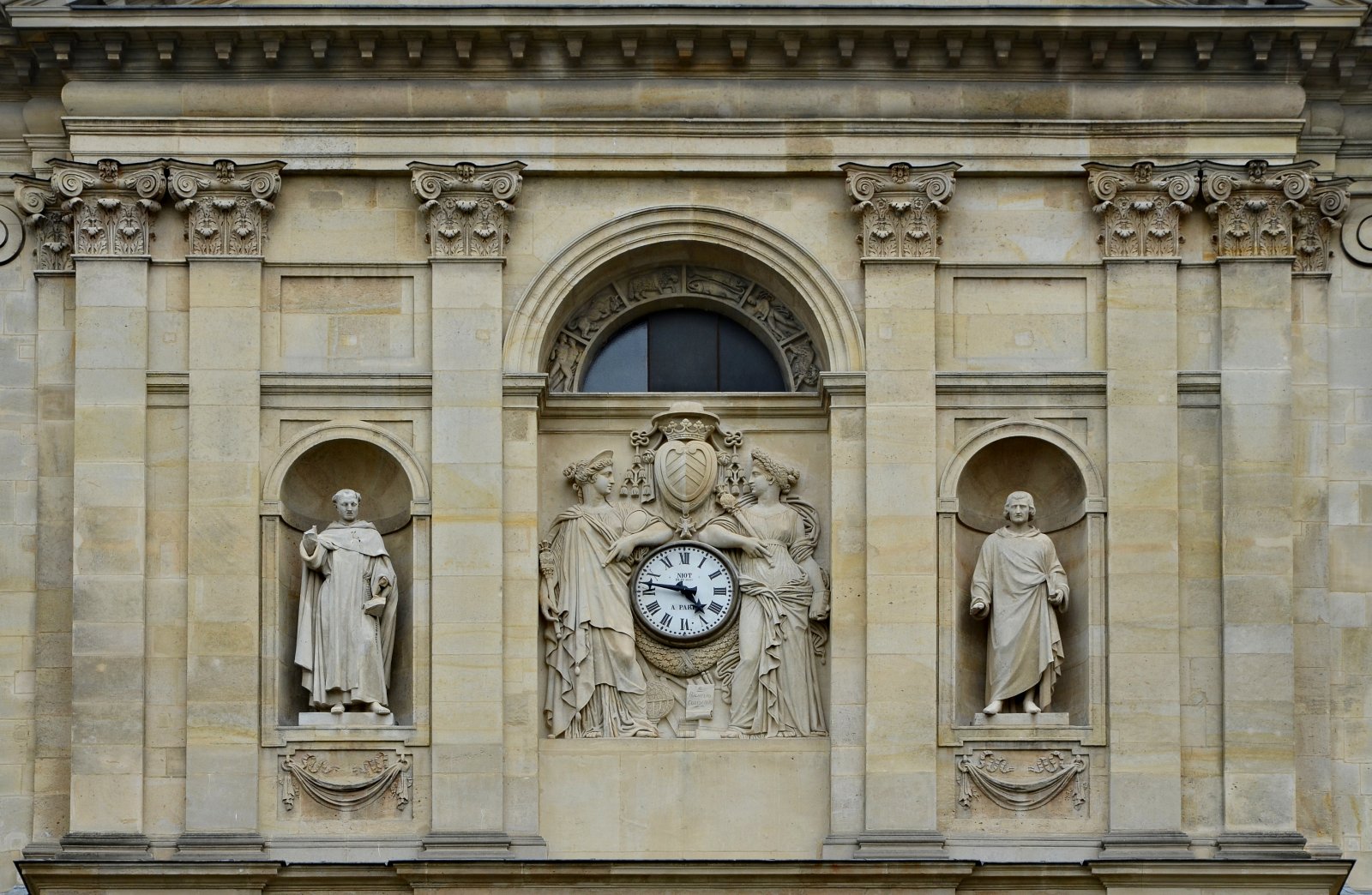
Beyond its architectural splendor, the Chapelle de la Sorbonne is a cultural icon. It stands as a silent witness to centuries of academic pursuit and ecclesiastical ceremony. The Sorbonne itself has long been a crucible of French intellectual life, and the chapel has hosted numerous significant events, from theological debates to the graduations of luminaries who shaped European thought. The chapel's bells, once a clarion call to prayer, now echo the timeless rhythm of academic life.
Though the chapel may not host grand festivals, its cultural importance is woven into the fabric of Parisian life. It symbolizes the city's enduring dedication to education and the arts, a place where past and present converge. Visitors to the chapel often find themselves immersed in the quiet reverence of its history, contemplating the myriad scholars and theologians who have passed through its hallowed halls.
While exploring this historic site, one might also indulge in the gastronomic delights of the Latin Quarter, where the chapel resides. Here, the culinary tradition is as rich as its academic one. Visitors can savor a hearty cassoulet or a delicate coq au vin, paired with a glass of robust Bordeaux, a nod to the cardinal's Gascon roots. The nearby cafés offer a quintessential Parisian experience, where one can linger over a café au lait and a fresh baguette, soaking in the vibrant street life that defines this arrondissement.
Among the lesser-known curiosities of the Chapelle de la Sorbonne is a hidden detail that often escapes the casual observer: the chapel's crypt. It is here that the remains of Richelieu were originally interred, his presence a constant beneath the chapel's sacred space until they were moved to the chancel. Another surprising story involves the chapel's survival during the French Revolution, a turbulent period when many religious structures faced destruction. Its preservation is a testament to its architectural and cultural value, even in times of upheaval.
For those planning a visit, the best time to experience the chapel is during the quieter months of late spring or early autumn. The mild weather allows for a leisurely exploration of the Latin Quarter's winding streets, with the added benefit of fewer crowds. When visiting, take the time to absorb the chapel's serene atmosphere, noting the intricate details of the stained glass and the play of light across its marble surfaces. It's also worth attending one of the occasional concerts held within the chapel, where the acoustics lend an ethereal quality to the music, echoing the divine artistry of the space.
In a city teeming with landmarks, the Chapelle de la Sorbonne stands apart as a beacon of scholarly and spiritual legacy. Its walls have witnessed centuries of change, yet within its confines, time seems to stand still—a sacred space where history, art, and culture intersect in harmonious dialogue.


