
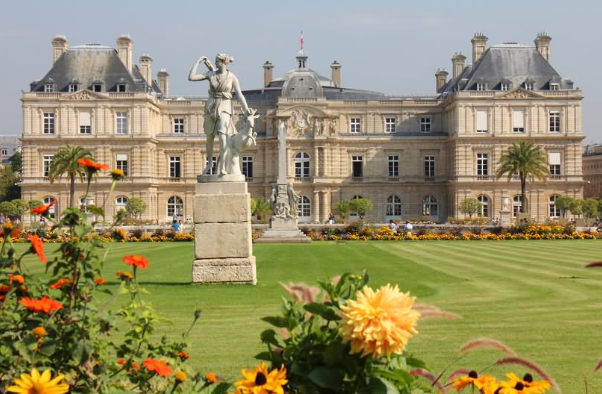

Nestled in the heart of Paris, the Jardin du Luxembourg is not just a garden; it's a verdant tapestry of history, art, and culture woven into 23 hectares of lush landscape. Originally conceived in 1612 by Marie de' Medici, the widow of King Henry IV, this garden was born from her desire to recreate the charm and elegance of her native Florence. At the heart of this grand vision stood the Luxembourg Palace, a new residence that would echo the grandeur of the Italian Renaissance.
The Jardin du Luxembourg has been witness to centuries of French history. During the tumultuous times of the French Revolution, the palace served as a prison, and later, in the 19th century, it was home to the French Senate, which continues to meet there today. The garden itself, with its meticulously designed lawns and tree-lined promenades, has become a haven of peace amidst the bustling city.
The garden’s architecture and art are a testament to its storied past. The Medici Fountain, built in 1620, stands as a splendid example of Baroque art, with its cascading water and intricate sculptures. Stroll through the garden and you will encounter over a hundred statues, including a replica of the Statue of Liberty and the striking Monument to Eugène Delacroix, each piece narrating a fragment of French history and culture.
Culturally, the garden is a microcosm of French life. Parisians of all ages gather here to engage in a variety of activities, from leisurely games of chess to children delighting in the timeless tradition of sailing model boats in the central pond. Seasonal festivals and concerts often fill the air with music and laughter, turning this historic space into a vibrant community hub.
While exploring the cultural and artistic offerings, don’t miss out on the local gastronomy. Though the garden itself doesn’t host eateries, the surrounding area is teeming with quintessential Parisian cafés and patisseries that serve up delights like macarons, freshly baked baguettes, and rich espresso, perfect for a picnic amidst the garden's beauty.
Among the lesser-known curiosities of the Jardin du Luxembourg is the hidden apiary, where beekeeping classes are held, continuing a tradition that dates back to 1856. Another intriguing spot is the Orangerie, which houses tropical plants and citrus trees during the winter months, a nod to the garden's luxurious past.
For those planning a visit, the best time to experience the garden is during the spring and autumn when the flowers are in full bloom and the foliage adds a kaleidoscope of colors. Arrive early in the morning to enjoy a peaceful stroll before the crowds gather, and don't forget to bring a good book or a sketchpad to truly savor the garden's tranquility.
To plan a personalized and unforgettable itinerary to Paris, explore the Secret World app.


