
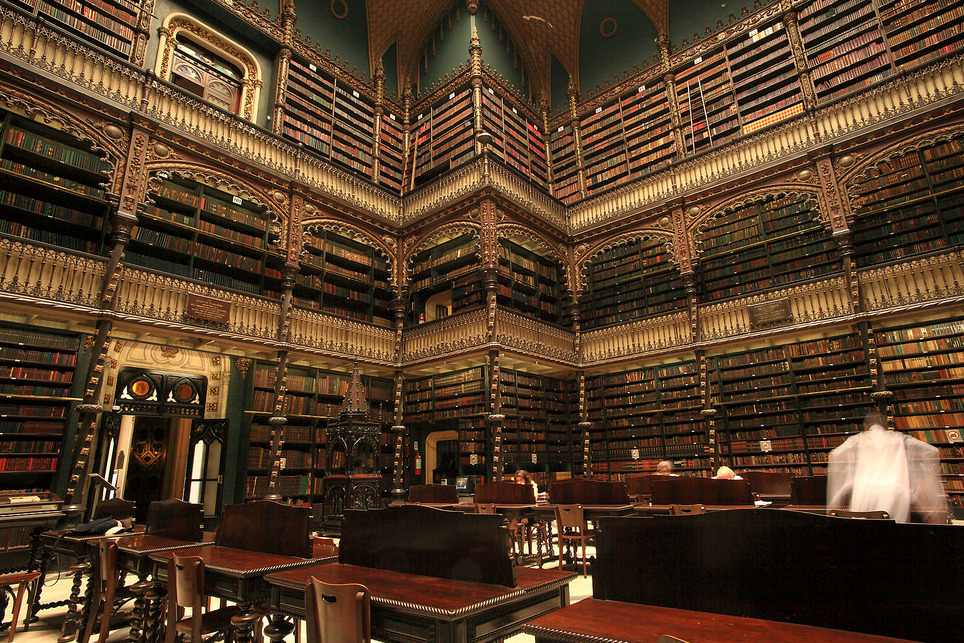

Nestled in the heart of Rio de Janeiro, the Royal Portuguese Reading Room—or Real Gabinete Português de Leitura—is a celebration of Portuguese literature and architectural grandeur. Established between 1880 and 1887, this remarkable library stands as a testament to the rich cultural ties between Brazil and Portugal. It houses the largest collection of Portuguese literature outside Portugal, boasting over 350,000 volumes, including rare works dating back to the 16th, 17th, and 18th centuries. The library's establishment was driven by the efforts of Portuguese immigrants who sought to preserve their literary heritage in Brazil, particularly after the Portuguese royal family fled to Rio during the Napoleonic Wars in 1808. This marked a significant turning point, leading to a flourishing of cultural institutions in the city.
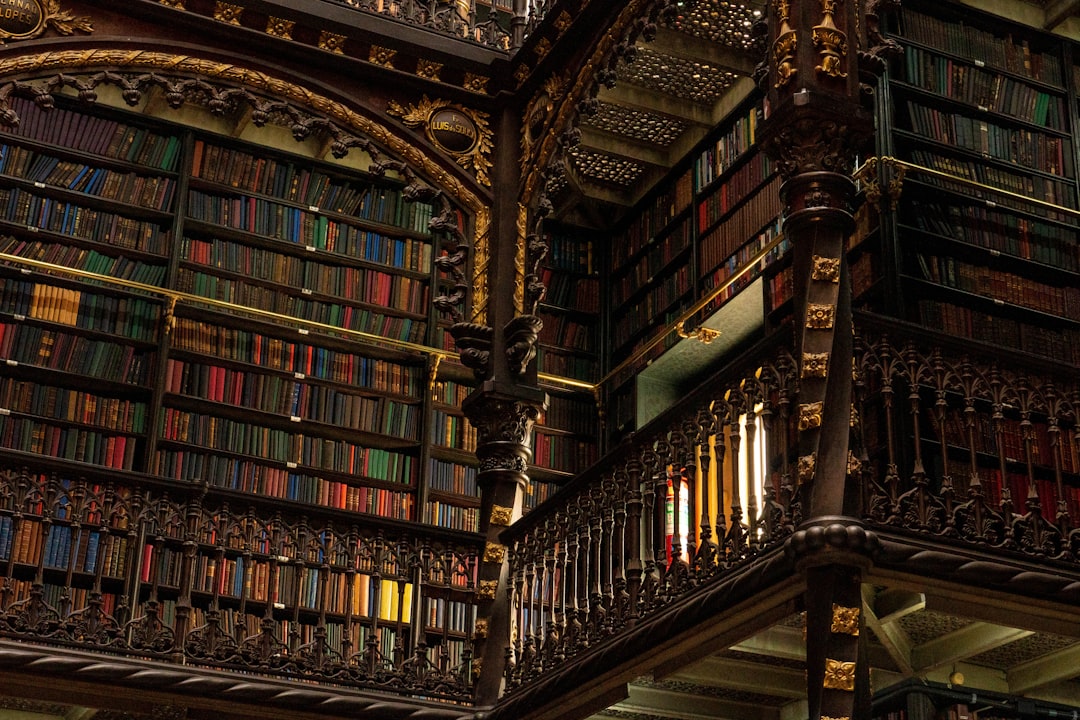
As you approach the Real Gabinete, the stunning neomanueline architecture is impossible to miss. The exterior is adorned with intricate details, while the interior dazzles with its stained glass, wooden ceilings, and lavish bookshelves, all intricately designed to reflect the glory of the Portuguese Empire. The grand reading room is particularly striking, featuring a stunning spiral staircase that leads to a cozy reading area, evoking the charm of a bygone era. This architectural masterpiece was designed by Rafael de Silva e Castro, who infused the building with elements reminiscent of the Manueline style, a Portuguese late Gothic architectural style that flourished in the late 15th and early 16th centuries.
Beyond its architectural beauty, the Royal Portuguese Reading Room plays a vital role in the local culture of Rio de Janeiro. It is not just a library; it is a gathering place for lovers of literature and history, hosting various cultural events, lectures, and readings throughout the year. Visitors can often witness traditional Fado performances, which echo the soul of Portuguese culture, creating a unique atmosphere that deepens the connection between the visitors and the literary works housed within these walls.

When exploring the cultural landscape of Rio, one cannot overlook the influence of gastronomy. Nearby, you can indulge in traditional Brazilian cuisine, with dishes such as feijoada (a black bean stew with pork) and pão de queijo (cheese bread) dominating the local food scene. Don't miss the opportunity to sip on a refreshing caipirinha, Brazil's national cocktail made from cachaça, sugar, and lime, which complements the rich flavors of the local fare.
For those who seek to uncover lesser-known aspects of this remarkable place, consider that the Royal Portuguese Reading Room is not just a haven for book lovers; it also has a unique legal deposit system. This means that the library receives a copy of every book published in Portugal, allowing it to continuously expand its remarkable collection and serve as a bridge between Portuguese and Brazilian literature. Furthermore, the library's historical significance is enhanced by the presence of historical figures such as Machado de Assis, a founding member of the Brazilian Academy of Letters, who often frequented this literary sanctuary.
Visiting the Real Gabinete is best done in the early morning or late afternoon when the sunlight filters through the stained glass, casting colorful reflections on the walls. Weekdays are less crowded, allowing for a more intimate experience with the books and the atmosphere. When you visit, be sure to look for the first edition copies of classic works and take a moment to appreciate the details of the architecture—each corner reveals a story of its own.
As you plan your visit to this literary gem, consider using the Secret World app to create a personalized itinerary that enhances your experience in Rio de Janeiro. Whether you're a history buff, a literature lover, or simply an admirer of stunning architecture, the Royal Portuguese Reading Room promises a captivating journey through time.


