
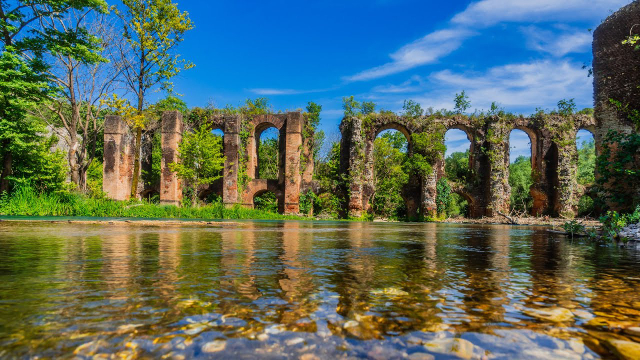

Ah, the Roman Aqueduct of Ancient Nikopolis—what a sight to behold! As you meander through the Epirus region of Greece, this marvel of ancient engineering and architectural ingenuity stops you in your tracks. Imagine this: the aqueduct was one of the central veins of Nikopolis, the city built by Emperor Augustus to commemorate his victory in the Battle of Actium. It's not just a bunch of arches and stones; it's a testament to a civilization that was far ahead of its time.
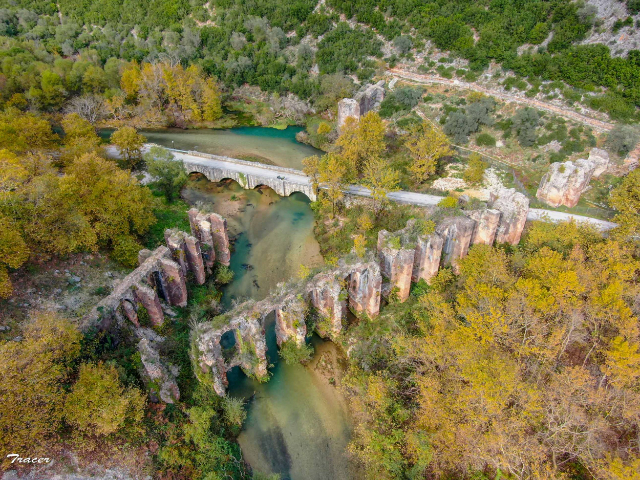
What makes this aqueduct stand out, aside from its longevity, is the meticulous planning behind it. The waterway stretches for several kilometers, connecting the city to the life-giving waters of the Louros River. And get this—the aqueduct wasn't just about utility; it had aesthetics in mind too. Its design showcases the Roman affinity for symmetry and functional beauty, and you can still catch glimpses of ornate etchings and mosaics that adorned its walls, lending elegance to utility.
But here's something you won't find in your average travel guide: the aqueduct was part of a larger, intricate water management system. The Romans were renowned for their baths, and Nikopolis was no exception. The water from this aqueduct was heated in massive underground furnaces before being used in the public baths—a luxury that even today's most advanced cities might find challenging to deliver.
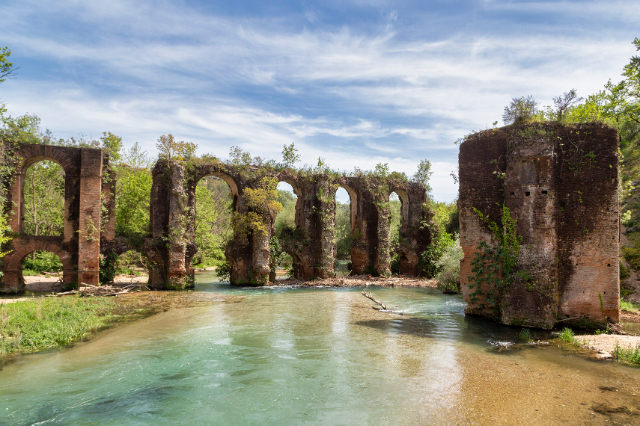
And speaking of underground, did you know that beneath the well-trodden paths around the aqueduct lie remnants of pipelines? That’s right, clay pipes were used to bring water into homes, a luxury that was reserved for the elite of the time. The society was stratified, and access to water in the privacy of one's home was a status symbol, a slice of everyday Roman life frozen in time.
As you stroll along this ancient waterway, take a moment to admire the surrounding landscapes. Picture olive groves stretching towards the horizon, a perfect spot for a makeshift picnic. With Mount Tomaros looming in the distance, it's a vivid tableau that paints the natural beauty of Greece in broad, unabashed strokes.
So, as you stand there, captivated by this bridge between eras, you might hear the distant echoes of Roman engineering brilliance, intermingled with the whispering Epirote wind. If you close your eyes, it's almost like being transported back in time, a fleeting moment of connection with those who once stood where you stand today.
Isn't travel all about such magical moments? Nikopolis and its aqueduct invite you to discover, learn, and, most importantly, to feel the pulse of history coursing through its ancient stones. It's an experience that's both awe-inspiring and humbling, reminding you of the ingenuity and ambition of civilizations past. So go ahead, add the Roman Aqueduct of Ancient Nikopolis to your itinerary—you won't be disappointed.


