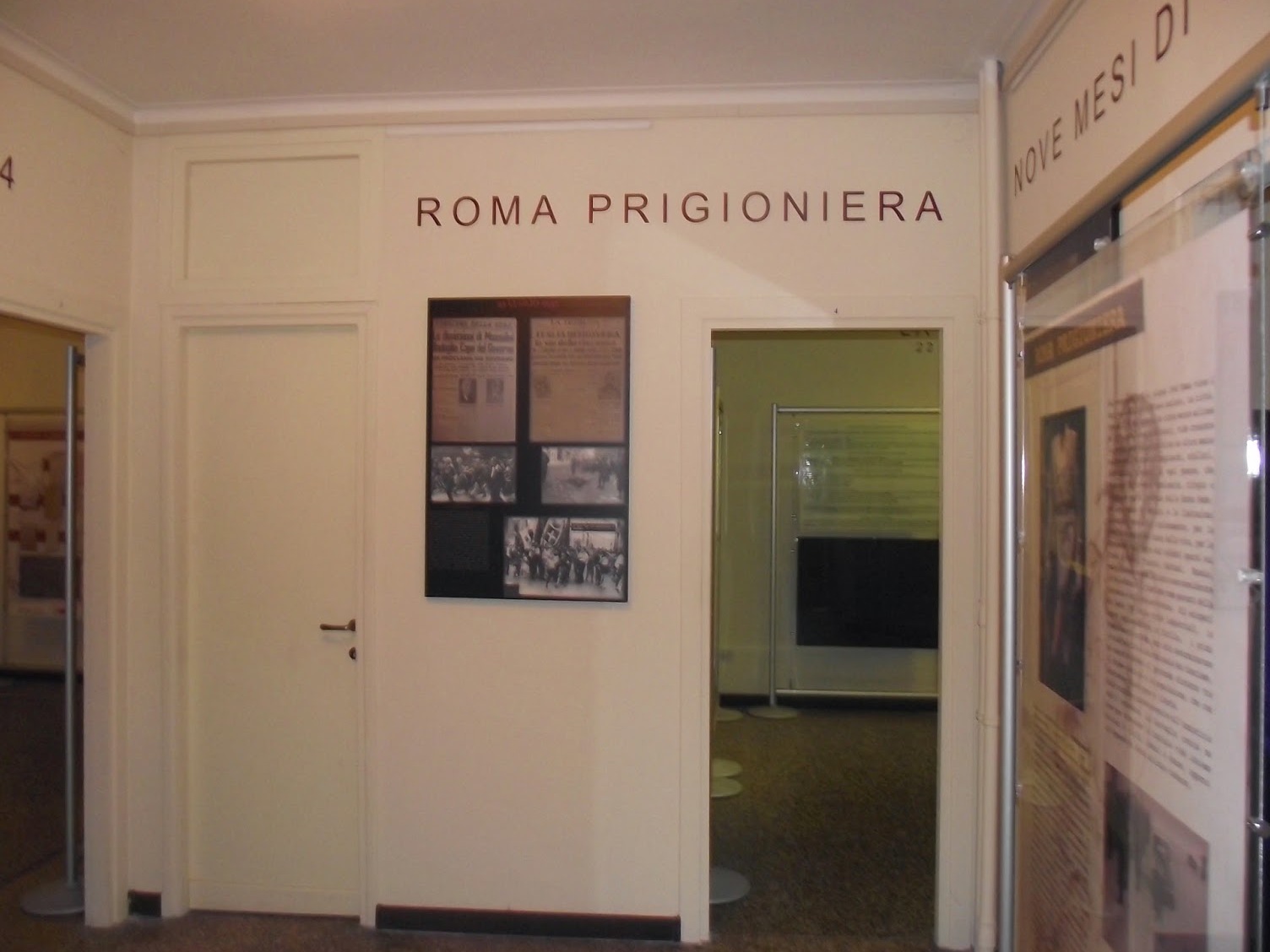

{ "title": "Historical Museum of Liberation: Rome's Hidden History", "description": "Nestled within the heart of Rome, the Historical Museum of Liberation stands as a poignant reminder of the city's resilience during one of its darkest chapters. Located on Via Tasso, this museum collects an array of original documents, memorabilia, and iconographic materials that illustrate the harrowing experiences of those who resisted the Nazi-Fascist occupation during World War II. The museum not only serves as an educational platform but also as a tribute to the brave souls who fought for freedom and justice in a time of turmoil.\n\nThe origins of this museum trace back to the building itself, which became notorious during the occupation as a site of imprisonment and torture. Over 2,000 anti-fascists were held here, many facing dire fates at sites like Forte Bravetta and Fosse Ardeatine. The Gold Medal of Military Valour awarded to Rome for its role in the Italian Resistance underscores the significance of this struggle, making the museum a critical component of the city’s historical narrative.\n\nArchitecturally, the museum is housed in a building that reflects the stark realities of its past. While not grandiose, the structure bears the weight of history, with its austere design mirroring the somber events that took place within its walls. Visitors can explore various rooms that display haunting photographs, resistance literature, and personal items belonging to those who suffered under the regime. Each artifact tells a story, inviting reflection on the human spirit and its capacity for courage in the face of oppression.\n\nBeyond its historical significance, the Historical Museum of Liberation is intertwined with the local culture of Rome. The city has a rich tradition of commemorating its past through various festivals and activities. One such event is the Liberation Day, celebrated on April 25, when Romans come together to honor the end of Nazi occupation. The museum often plays a role in these celebrations, hosting talks and educational workshops that engage both locals and visitors alike in discussions about freedom and memory.\n\nWhen it comes to gastronomy, Rome is famed for its culinary delights, and the area's history influences its local cuisine. The traditional dish known as **"