
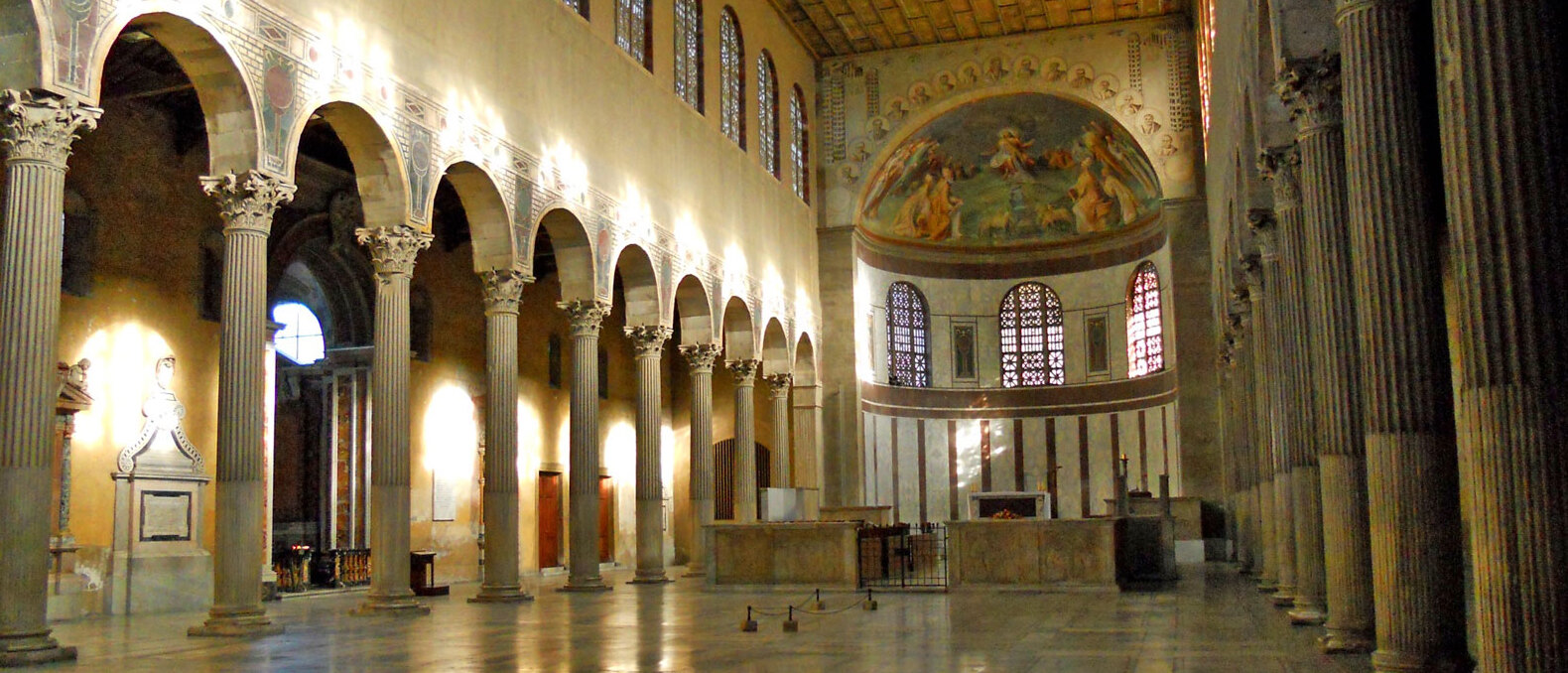

Nestled on the Aventine Hill, Santa Sabina is a gem of Roman heritage, steeped in history and cloaked in tranquility. This ancient church, consecrated in AD 422, stands as a testament to the early Christian period, showcasing some of the oldest Christian art in the world.
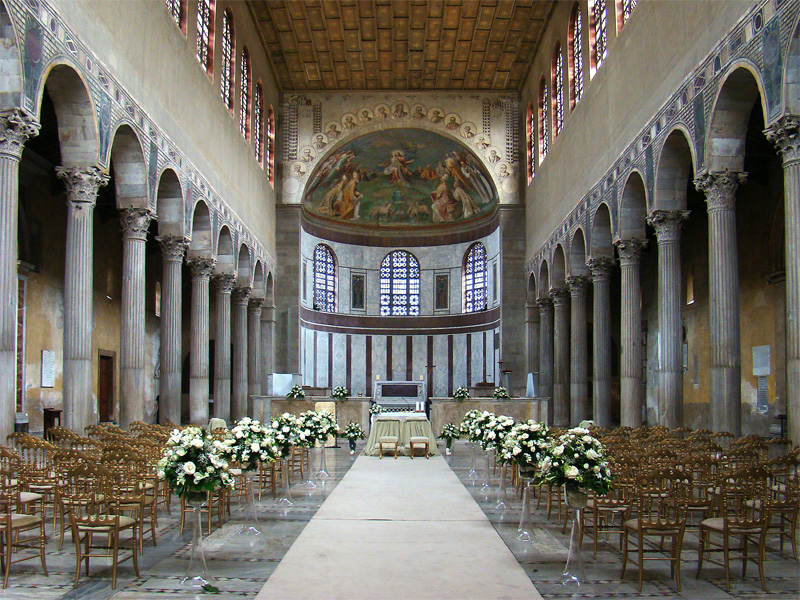
The origins of Santa Sabina are intertwined with the legacy of its namesake, Saint Sabina, a martyr believed to have been killed for her faith. According to tradition, the church was built on the site of her home, making it a significant pilgrimage destination for early Christians. Over the centuries, it has witnessed numerous pivotal events, including the consolidation of early Christian doctrine and the rise of the Papacy. Notably, it was here in the 5th century that the Council of Rome convened to address theological disputes.
Architecturally, Santa Sabina is a splendid example of Early Christian basilica style. Entering through the church's remarkable 5th-century wooden doors, adorned with intricate carvings depicting Biblical scenes, visitors are immediately transported back in time. Among these, one can find one of the earliest depictions of the Crucifixion in Western art. The doors, along with the 15th-century porch that features sarcophagi mounted on swivel frames, invite exploration and reflection.
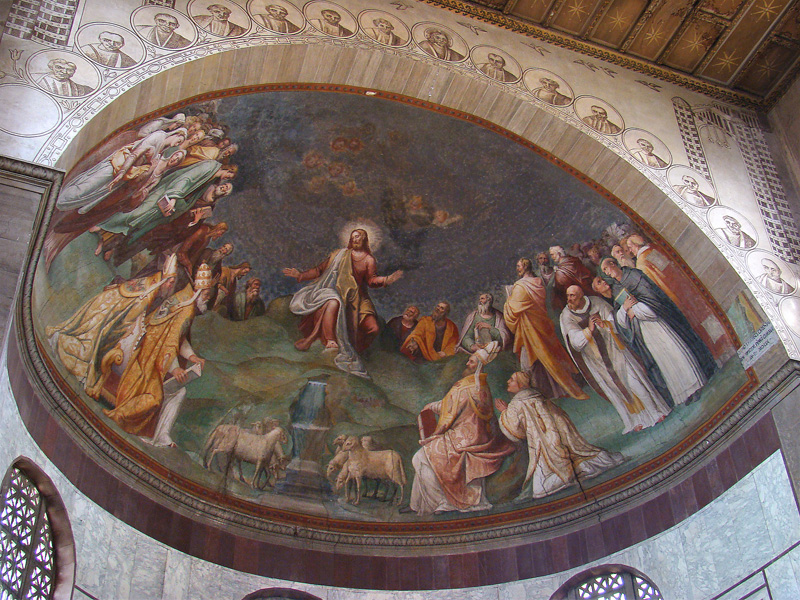
Inside, the church boasts a stunning interior characterized by lofty Corinthian columns pilfered from nearby ancient structures. The opus sectile marble inlay above the arches creates a dazzling play of light and color, enhancing the sacred atmosphere. While many of the chapels have been baroque-ified, the overall ambiance remains remarkably intact, providing a glimpse into the early Christian aesthetic.
One of the church's hidden treasures is the 13th-century cloisters accessible from the porch. These peaceful spaces, lined with graceful arches and lush greenery, offer a serene retreat from the bustling city. Here, the echoes of history resonate, making it a perfect spot for contemplation.
Beyond its architectural and artistic significance, Santa Sabina holds a special place in local customs and traditions. The church is closely linked to the Aventine Keyhole, a popular attraction just a short stroll away. Visitors can peer through this unique keyhole to catch a glimpse of St. Peter’s Basilica framed by lush gardens—a delightful surprise that connects the sacred with the everyday. The Aventine Hill is also known for its Benedictine community, which celebrates various liturgical festivals throughout the year, infusing the area with a palpable sense of spirituality and tradition.
Gastronomically speaking, the Aventine Hill is not just a feast for the eyes. Visitors should indulge in local culinary delights that reflect the rich heritage of Roman cuisine. Traditional dishes such as cacio e pepe (pasta with cheese and pepper) and carciofi alla romana (Roman-style artichokes) can be enjoyed in nearby trattorias. Pair these with a glass of Frascati, a local white wine that perfectly complements the flavors of the region.
As with any historical site, Santa Sabina is filled with lesser-known curiosities that add depth to its narrative. One fascinating detail is the church's bell tower, which is home to one of the oldest bells in Rome, dating back to the 12th century. Additionally, the church’s serene atmosphere has attracted countless artists, including the renowned painter Giovanni Battista Piranesi, whose works were inspired by the church's ancient beauty.
For those planning a visit, the best time to explore Santa Sabina is during the early morning hours when the light filters gently through the stained glass, casting colorful patterns on the ancient stone. Be sure to check the church's opening hours, as they can vary, and don’t miss the opportunity to wander through the cloisters for a moment of peace.
In the heart of Rome, Santa Sabina on the Aventine Hill serves as a reminder of the city’s profound history and artistic legacy. Every corner tells a story, and each detail invites contemplation, making it an unmissable stop on any Roman itinerary.
For an enriching experience, consider using the Secret World app to craft a personalized itinerary that explores the hidden treasures of Roma.


