
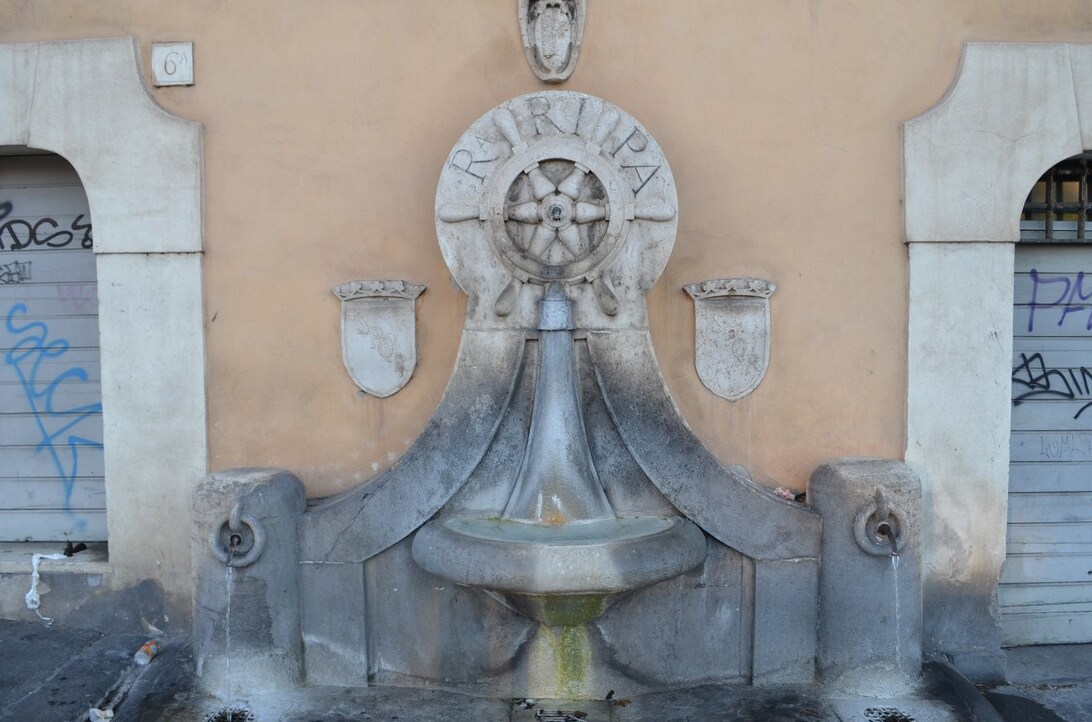

Nestled against the imposing structure of San Michele a Ripa, the Fountain of the Rudder stands as a testament to Rome's illustrious past as a bustling hub of river commerce. Created in 1927 by the celebrated Italian architect Pietro Lombardi, this fountain commemorates the vibrant river traffic that once flowed through the port of Ripagrande. Its location is not just a visual delight but a historical narrative etched in stone and water.
The Fountain of the Rudder is more than just a decorative piece; it is a window into Rome’s dynamic past. The area around Ripagrande was once a vital artery of trade and communication for the city. During the medieval period, this port was a thriving center of commerce, with ships laden with goods from around the Mediterranean anchoring here. The fountain, with its nautical motif dominated by a sculpted rudder, pays homage to this maritime heritage. It's a reminder of the countless sailors and merchants who contributed to Rome's growth and wealth.
Pietro Lombardi, known for his skill in blending functionality with artistry, infused the fountain with a Neo-Baroque style. This is evident in the intricate carvings and the dynamic form of the rudder, which seems to navigate the cascading waters just as real rudders guided ships through the Tiber. Lombardi’s work across Rome, including other thematic fountains, showcases his ability to capture the essence of the city's diverse history and culture through stone.
Beyond its historical and artistic significance, the Fountain of the Rudder is an emblem of Roman life and tradition. It stands as a silent witness to the rituals and rhythms of the neighborhood. Locals often gather around the fountain, sharing stories and laughter, especially during the cooler evenings of spring and autumn. The nearby Festival of San Michele, held every September, breathes life into the area, with the fountain as a central meeting point. This festival celebrates the patron saint of the adjoining church, featuring processions, music, and local cuisine.
Speaking of cuisine, the area surrounding the fountain is a treasure trove of Roman gastronomy. Visitors can indulge in traditional dishes such as cacio e pepe or supplì, which are readily available in nearby trattorias. Don't miss trying a glass of Frascati wine, a crisp, local white that perfectly complements the robust flavors of Roman cuisine. This culinary experience is a journey through the flavors and aromas that have been part of the city’s life for centuries.
While the fountain might seem modest compared to Rome's grander landmarks, it holds unique stories that many tourists overlook. For instance, the fountain’s design incorporates subtle references to the river's mythology and its importance in Roman religion and daily life. The choice of a rudder as the central motif was not only symbolic of navigation but also of the guiding force of the gods, particularly Tiberinus, the deity of the Tiber River. This adds a layer of spiritual significance to its otherwise practical symbolism.
For those planning to visit, the best time is during the early morning or late afternoon when the light casts a soft glow on the water and the surrounding architecture. The gentle murmur of the fountain provides a serene soundtrack to a leisurely exploration of the area. While there, take a moment to admire the juxtaposition of the ancient port’s remnants with the modern vibrancy of the neighborhood.
The Fountain of the Rudder may not dominate Rome's tourist itineraries, but it offers a rich tapestry of history, art, and local culture. It encourages visitors to pause and reflect on the layers of history that continue to shape the Eternal City. Whether you're a history enthusiast, an art lover, or a curious traveler, this fountain is a delightful discovery that enriches any Roman adventure.


