
← Back

Ruins of the Buddhist Vihara at Paharpur

Paharpoor Museum Building, 6500, Bangladesh ★★★★☆ 292 views
Freyan Mortimer
Paharpoor Museum Building
🏆 AI Trip Planner 2026

Get the free app

Discover the best of Paharpoor Museum Building with Secret World — the AI trip planner with 1M+ destinations. Get personalized itineraries, hidden gems and local tips. Free on iOS & Android.

🧠 AI Itineraries 🎒 Trip Toolkit 🎮 KnowWhere Game 🎧 Audio Guides 📹 Videos
Scan to download iOS / Android
Scan for AppGallery Huawei users

About Ruins of the Buddhist Vihara at Paharpur

Ruins of the Buddhist Vihara at Paharpur - Paharpoor Museum Building | Secret World Trip Planner

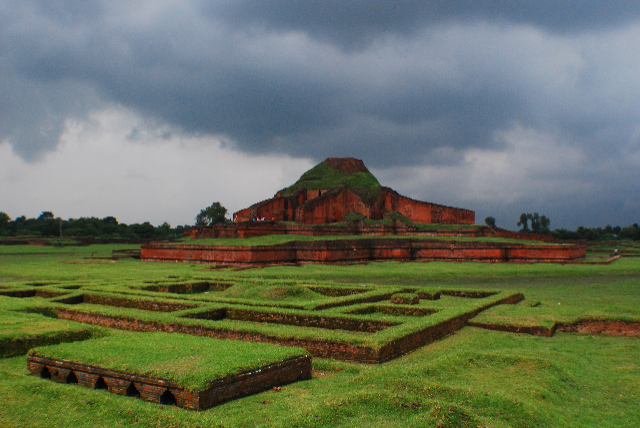
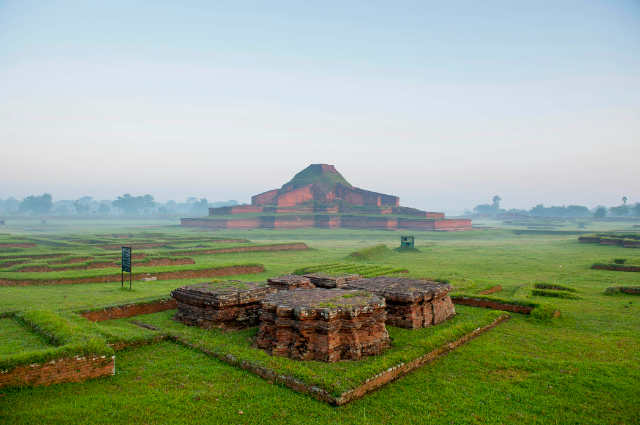
The Ruins of the Buddhist Vihara at Paharpur are one of the most important archaeological sites in Bangladesh, located in the northwestern district of Naogaon. This site, also known as Somapura Mahavihara, was once one of the largest Buddhist monasteries in the Indian subcontinent and is now designated as a UNESCO World Heritage Site.
Ruins of the Buddhist Vihara at Paharpur - Paharpoor Museum Building | Secret World Trip Planner

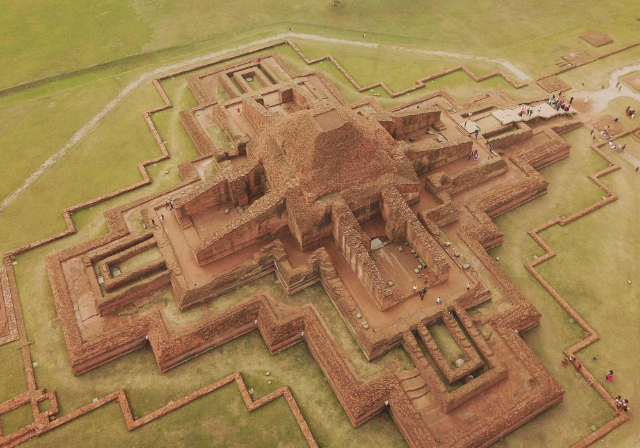
Somapura Mahavihara was established in the 8th century by the second king of the Pala dynasty, Dharmapala. Architecturally, it represents a unique design, influenced by the cultures that thrived in the region during its construction. The vihara (monastery) is built around a massive central stupa courtyard, with its cruciform shape being a distinctive feature. The layout includes a complex of cells for monks along the outer walls and numerous stupas and shrines.

The elaborate terracotta plaques that decorate the walls of the monastery depict scenes from Buddhist mythology, including the life of the Buddha, and various Hindu deities, illustrating the syncretic cultural influences of the time. The intricate and detailed craftsmanship of these plaques highlights the artistic and spiritual significance of the site.
Ruins of the Buddhist Vihara at Paharpur - Paharpoor Museum Building | Secret World Trip Planner

Archaeologically, the site has provided insight into the religious, social, and economic conditions of the period, showcasing the prominence of Buddhist monastic life in Bengal from the 7th to 12th centuries. The ruins not only attract scholars and historians but also tourists who are eager to explore the ancient heritage of Bangladesh.

The Ruins of the Buddhist Vihara at Paharpur stand as a testament to the region's rich historical and cultural past, offering a window into the life and times of ancient Buddhist communities in South Asia. The preservation and study of this site continue to contribute significantly to our understanding of Buddhist architectural and religious developments during this period.
Ruins of the Buddhist Vihara at Paharpur - Paharpoor Museum Building | Secret World Trip Planner
🗺 AI Trip Planner

Plan your visit to Paharpoor Museum Building

Suggested itinerary near Ruins of the Buddhist Vihara at Paharpur

MAJ+
500.000+ travelers worldwide
  1. 🌅
    Morning
    Ruins of the Buddhist Vihara at Paharpur
    📍 Paharpoor Museum Building
  2. ☀️
    Afternoon
    Paharpur - Largest Buddhist Seat of learning
    📍 0 km · Paharpoor Museum Building

Buy Unique Travel Experiences

Powered by Viator

See more on Viator.com

Explore nearby · Paharpoor Museum Building

Frequently Asked Questions

The Somapura Mahavihara was established in the 8th century by Dharmapala, the second king of the Pala dynasty. This makes it one of the most significant Buddhist monasteries constructed during the Pala period in the Indian subcontinent.
The vihara features a distinctive cruciform (cross-shaped) design built around a massive central stupa courtyard, with monk cells arranged along the outer walls and numerous stupas and shrines throughout the complex. This architectural layout reflects the unique design influences of the cultures that thrived in the region during its construction.
The monastery's walls are decorated with elaborate terracotta plaques showcasing intricate craftsmanship that depict scenes from Buddhist mythology, the life of Buddha, and various Hindu deities. These plaques illustrate the syncretic cultural influences of the time and highlight the artistic and spiritual significance of the site.
Yes, the Ruins of the Buddhist Vihara at Paharpur is designated as a UNESCO World Heritage Site, recognizing its international importance as one of the most significant archaeological sites in Bangladesh. This status reflects its value in understanding Buddhist monastic life and culture from the 7th to 12th centuries.
The site is located in the northwestern district of Naogaon in Bangladesh. Visitors can reach it by traveling to Naogaon district and then heading to the Paharpur village where the archaeological ruins are situated, making it an accessible destination for those interested in exploring Bangladesh's ancient Buddhist heritage.
