


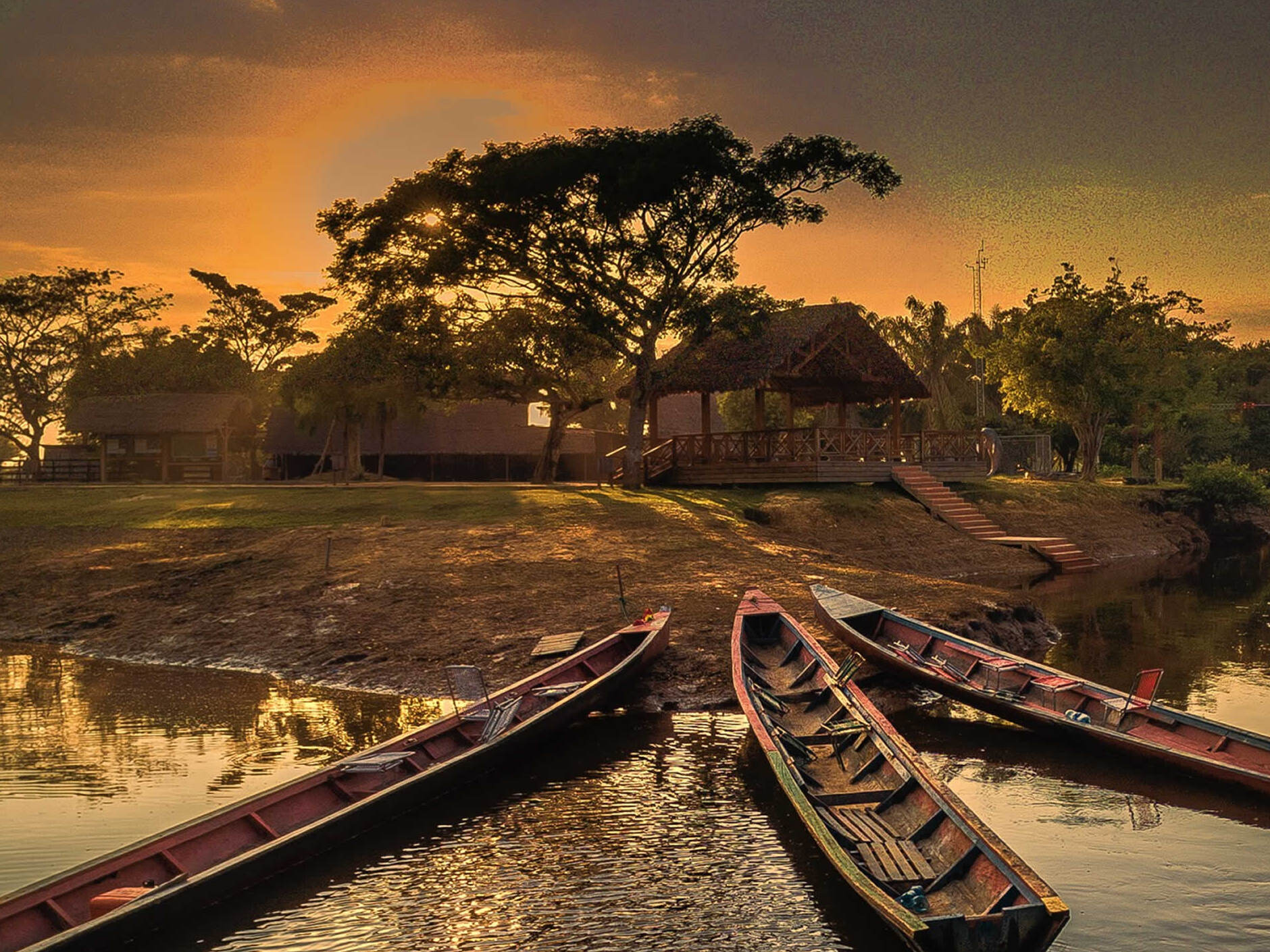
Nestled in the heart of the Bolivian Amazon, the Rurrenabaque Pampas beckons nature enthusiasts and adventure seekers alike. Just 100 kilometers northeast of Rurrenabaque, this lush landscape, characterized by its winding rivers and vibrant wildlife, offers an unforgettable experience for those who venture into its depths.
### History and Origins
The region surrounding Rurrenabaque has a rich tapestry of history that dates back to ancient indigenous civilizations, notably the Chiriguano and Moxeño peoples. These groups thrived in the floodplains and forests long before Spanish explorers arrived in the 16th century. The area was officially recognized during the establishment of Rurrenabaque in the mid-19th century, which served as a pivotal trading post for rubber and other resources.
The construction of the Transcontinental Highway in the late 20th century opened up access to the Pampas, making it a popular destination for eco-tourism. The region has since become a crucial point for promoting sustainable tourism while preserving its rich cultural heritage.
### Art and Architecture
While the Pampas may not showcase grand architectural feats, its beauty lies in the simplicity and harmony of its surroundings. Traditional Amazonian architecture is evident in the local wooden structures, often built on stilts to withstand seasonal floods. The thatched roofs and open-air designs reflect a deep connection to the environment.
Art in Rurrenabaque often takes the form of handcrafted goods made by local artisans. Colorful textiles, intricate beadwork, and traditional pottery showcase the craftsmanship passed down through generations. These pieces serve not only as souvenirs but also as a representation of the local culture and identity.
### Local Culture and Traditions
The vibrancy of the Pampas is reflected in its local customs and festivals. One of the most significant events is the Fiesta de la Virgen de la Candelaria, celebrated in early February. This festival honors the patron saint of the region with colorful parades, traditional music, and dance, where locals dress in elaborate costumes, showcasing their cultural heritage.
Fishing and hunting have historically been vital for local communities, and festivals often include traditional games and competitions that highlight these skills. The connection to nature is palpable, with many customs centered around the rhythms of the land and water.
### Gastronomy
Exploring the culinary delights of the Pampas is an adventure of its own. The region is known for its freshwater fish, particularly pacu and tambaqui, which are often grilled or served in hearty stews. Yuca, a starchy root vegetable, is a staple accompaniment, often prepared in various ways—mashed, fried, or boiled.
One cannot visit the region without trying pique macho, a popular Bolivian dish consisting of beef, sausage, and fried potatoes, seasoned with spices and topped with a fried egg. The local drinks, such as chicha, a fermented corn beverage, provide a refreshing taste of the Andes while connecting visitors to the region's indigenous roots.
### Lesser-Known Curiosities
While the wildlife of the Rurrenabaque Pampas is well-known, few realize that pink river dolphins possess unique characteristics that set them apart from their grey counterparts. Local folklore attributes mystical qualities to these creatures, believed to be protectors of the river.
Additionally, the Río Yacuma is not just a lifeline for wildlife; it has played a significant role in the local economy through transportation and fishing. Visitors might also encounter the Llanos de Moxos, an expansive tropical savanna that is a lesser-known yet breathtaking part of the landscape.
### Practical Visitor Information
The best time to visit the Rurrenabaque Pampas is during the dry season, from May to October, when temperatures are mild, and wildlife spotting is optimal. Tour operators are abundant in Rurrenabaque, offering guided boat tours that navigate the Río Yacuma and its tributaries, providing opportunities to see the rich biodiversity.
When planning your visit, consider bringing binoculars for birdwatching, insect repellent, and comfortable walking shoes for marshland exploration. Don't forget to engage with local guides, who can share insights into the flora and fauna and the culture of the indigenous communities.
With its stunning landscapes, rich history, and vibrant culture, the Rurrenabaque Pampas promises an experience that goes beyond the ordinary. For a personalized journey into this enchanting region, consider using the Secret World app to craft your perfect itinerary.
