



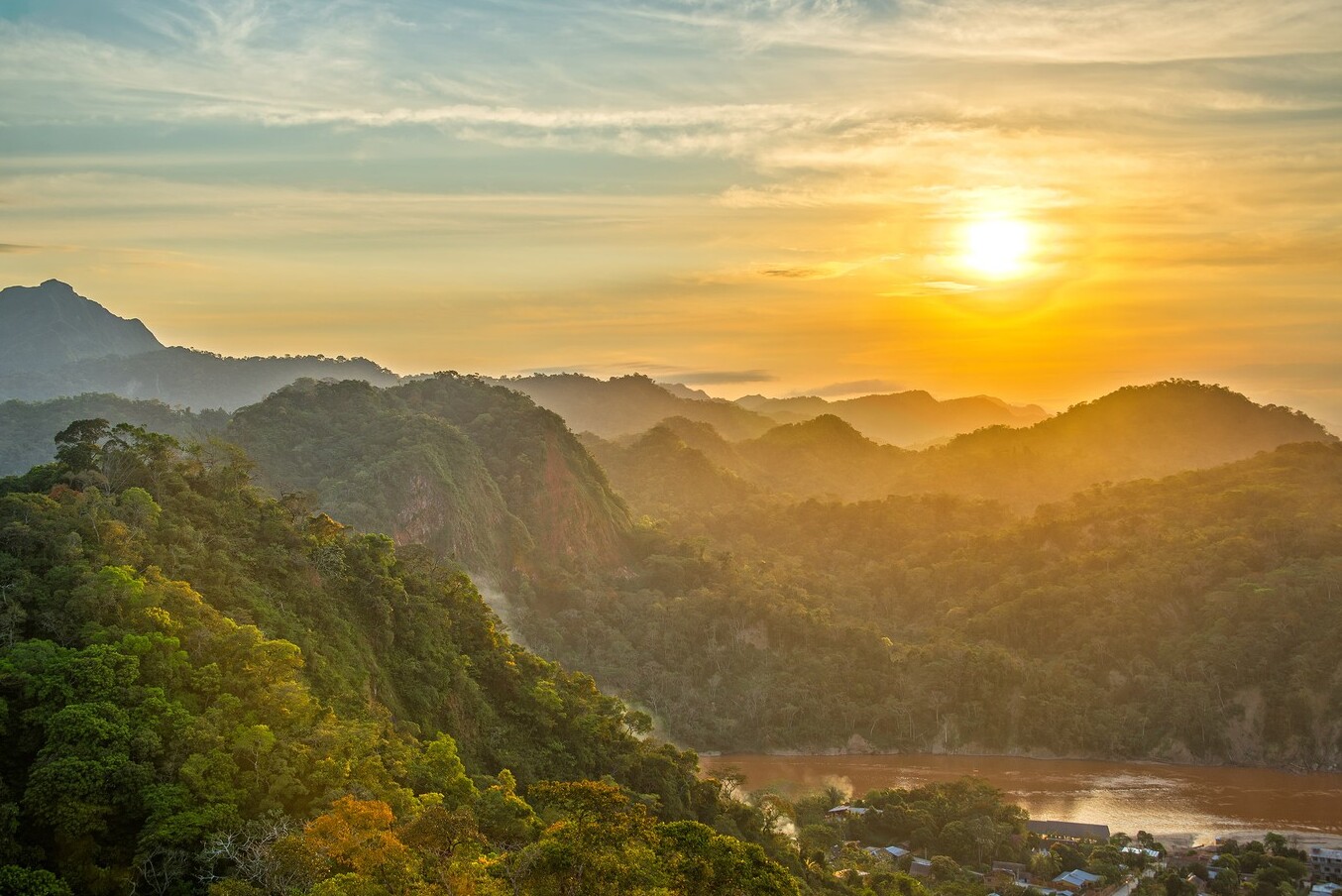
Nestled 100 kilometers northeast of Rurrenabaque, Santa Rosa is a hidden gem in the Bolivian lowlands that offers an unfiltered glimpse into the lush biodiversity and rich culture of the region. This remote village serves as the gateway to the Río Yacuma, a slow-moving river brimming with wildlife. Families of capybara, hundreds of caiman, and even playful pink river dolphins inhabit its waters, drawing nature enthusiasts from around the globe. The river’s banks are alive with the raucous calls of hoatzin birds and the graceful movements of herons, while the gallery forests above are home to howler, squirrel, and capuchin monkeys, creating a vibrant tapestry of life that enchants every visitor.
History and Origins The history of Santa Rosa is intertwined with the rich tapestry of indigenous cultures and the European colonization of Bolivia. Originally settled by indigenous groups, the area witnessed significant changes following the Spanish conquest in the 16th century. The Moxos and Tsimane peoples have long inhabited these lowlands, cultivating the land and maintaining their traditions. Santa Rosa itself, while not a historical center, has emerged as a focal point for ecotourism, particularly in the late 20th century as awareness of Bolivia's natural heritage grew. Key events include the establishment of protected areas in the region, which have allowed for the preservation of its unique ecosystems and attracted ecotourists eager to experience its wildlife.
Art and Architecture Santa Rosa's architecture reflects its practical roots rather than grand historical edifices. Traditional homes are typically made from local materials like wood and palm thatch, blending seamlessly into the environment. Notable artworks can be found in local markets, featuring handmade crafts that showcase the skills of indigenous artisans. These crafts often tell stories of the land and its people, offering visitors a tangible connection to the culture and history of the region.
Local Culture and Traditions The culture of Santa Rosa is a vibrant mix of indigenous traditions and modern influences. Local customs are deeply rooted in the agricultural calendar, with festivals celebrating the harvest and the changing seasons. One of the most significant events is the Fiesta de la Cruz, held every May, where locals decorate crosses with flowers and celebrate with music and dance. This festive spirit offers visitors a chance to engage with the community and witness traditional dances like the Caporales, which narrate stories of the indigenous people and their connection to the land.
Gastronomy A visit to Santa Rosa would not be complete without indulging in the local gastronomy. Traditional dishes often feature plátano (plantain), yuca (cassava), and a variety of fish caught fresh from the river. One must-try dish is pacu, a local fish grilled to perfection and served with a zesty aji sauce. Chicha, a fermented beverage made from corn, is popular among locals and often enjoyed during festivals. Each bite and sip tells the story of the land and its resources.
Lesser-known Curiosities Despite its remote location, Santa Rosa offers surprising treasures for the curious traveler. For instance, the region is known for its Ayahuasca ceremonies, where indigenous shamans guide participants through this traditional spiritual practice. Additionally, the Río Yacuma is home to a unique phenomenon—during certain times of the year, the river becomes a gathering place for pink river dolphins, offering a rare opportunity to see these creatures in their natural habitat. Many visitors are unaware that the area is also a birdwatcher’s paradise, with over 200 species recorded, including the elusive jabiru stork.
Practical Visitor Information The best time to visit Santa Rosa is during the dry season, from May to October, when wildlife is more easily spotted and the weather is favorable for outdoor activities. Travelers should pack light, breathable clothing, insect repellent, and sturdy footwear for exploring the marshes. A guided boat tour on the Río Yacuma is essential for a closer look at the fascinating wildlife, so be sure to arrange this in advance. Visitors should also engage with local guides, who can share insights into the ecology and culture of the region, enriching the experience.
Santa Rosa is more than just a gateway to breathtaking wildlife; it’s a place where the vibrant culture and history of Bolivia come alive. For a personalized itinerary that helps you explore all that Rurrenabaque and its surroundings have to offer, consider using the Secret World app.
