
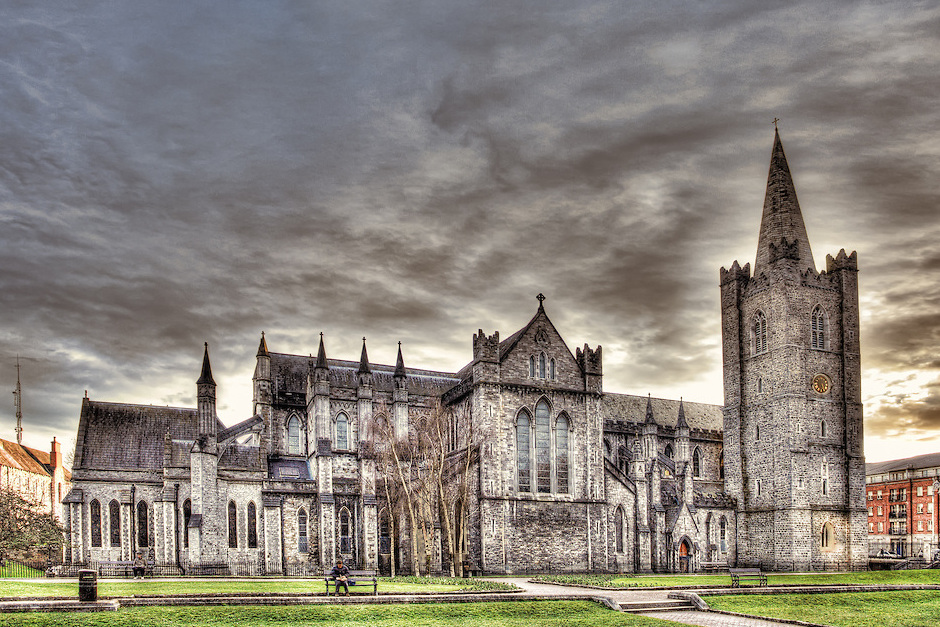

Nestled in the heart of Dublin, Saint Patrick’s Cathedral stands as a testament to centuries of Irish history and architectural grandeur. Its storied past, Gothic elegance, and deep cultural roots make it a must-visit destination for those exploring Ireland’s capital.
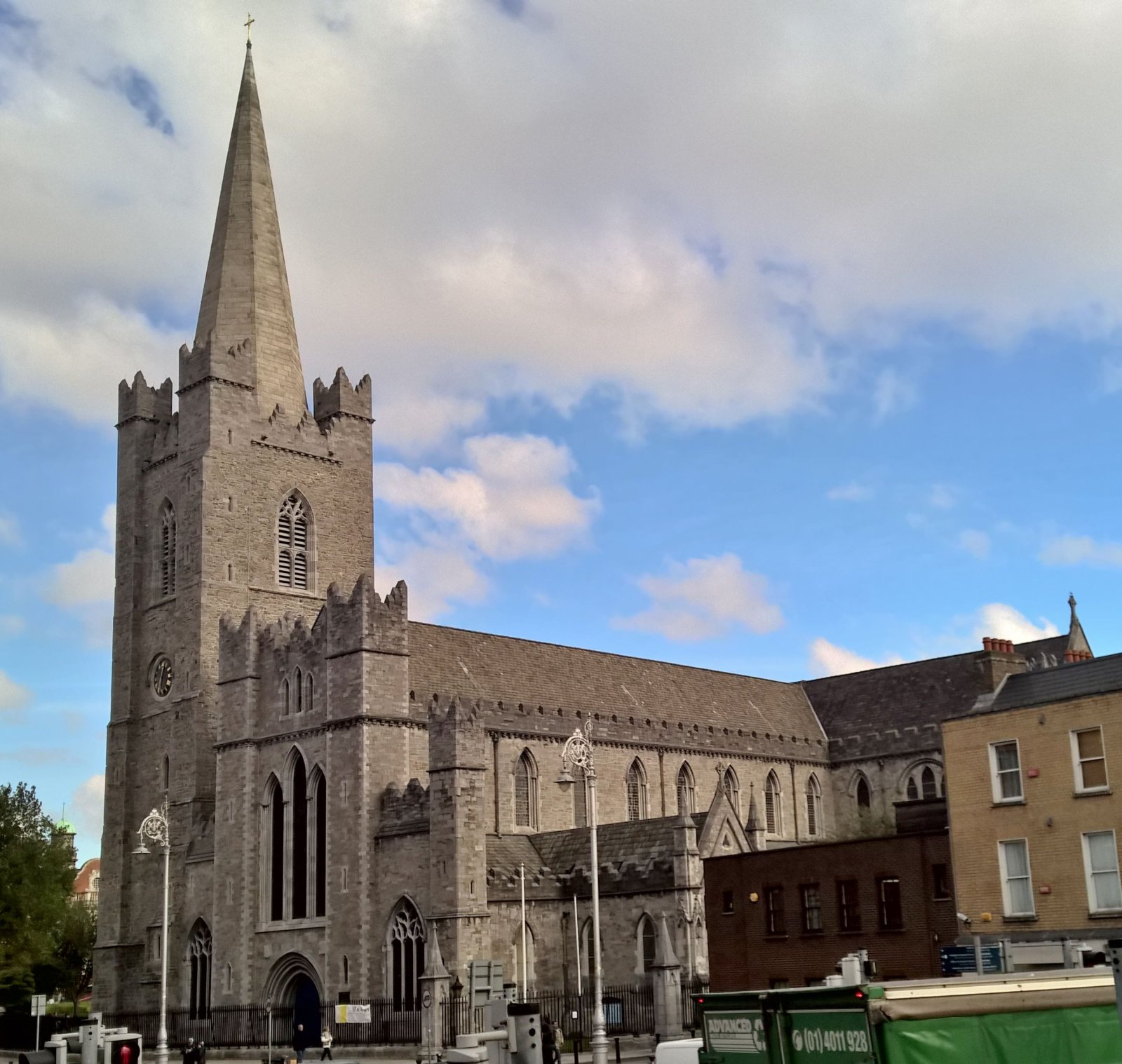
Construction of the church began in the 12th century, marking a pivotal moment in Dublin's medieval transformation. Built on a site believed to be where Saint Patrick himself baptized converts around 450 AD, this sacred ground has long been a beacon of faith. Elevated to cathedral status in 1224, it has weathered the tumult of history, from the Reformation to the Cromwellian conquest. Each era has left its mark, contributing to the rich tapestry of stories embedded within its walls.
The cathedral’s architecture is a striking example of the English Gothic style, characterized by its pointed arches, ribbed vaults, and flying buttresses. The towering spire, reaching 43 meters, is an iconic feature of Dublin’s skyline. Inside, visitors can admire the exquisite Choir, an intricate blend of stone and wood, echoing with the voices of choristers since the late 15th century. The Jonathan Swift Memorial honors one of the cathedral's most famous deans, the author of "Gulliver’s Travels," whose wit and legacy continue to draw literary enthusiasts.
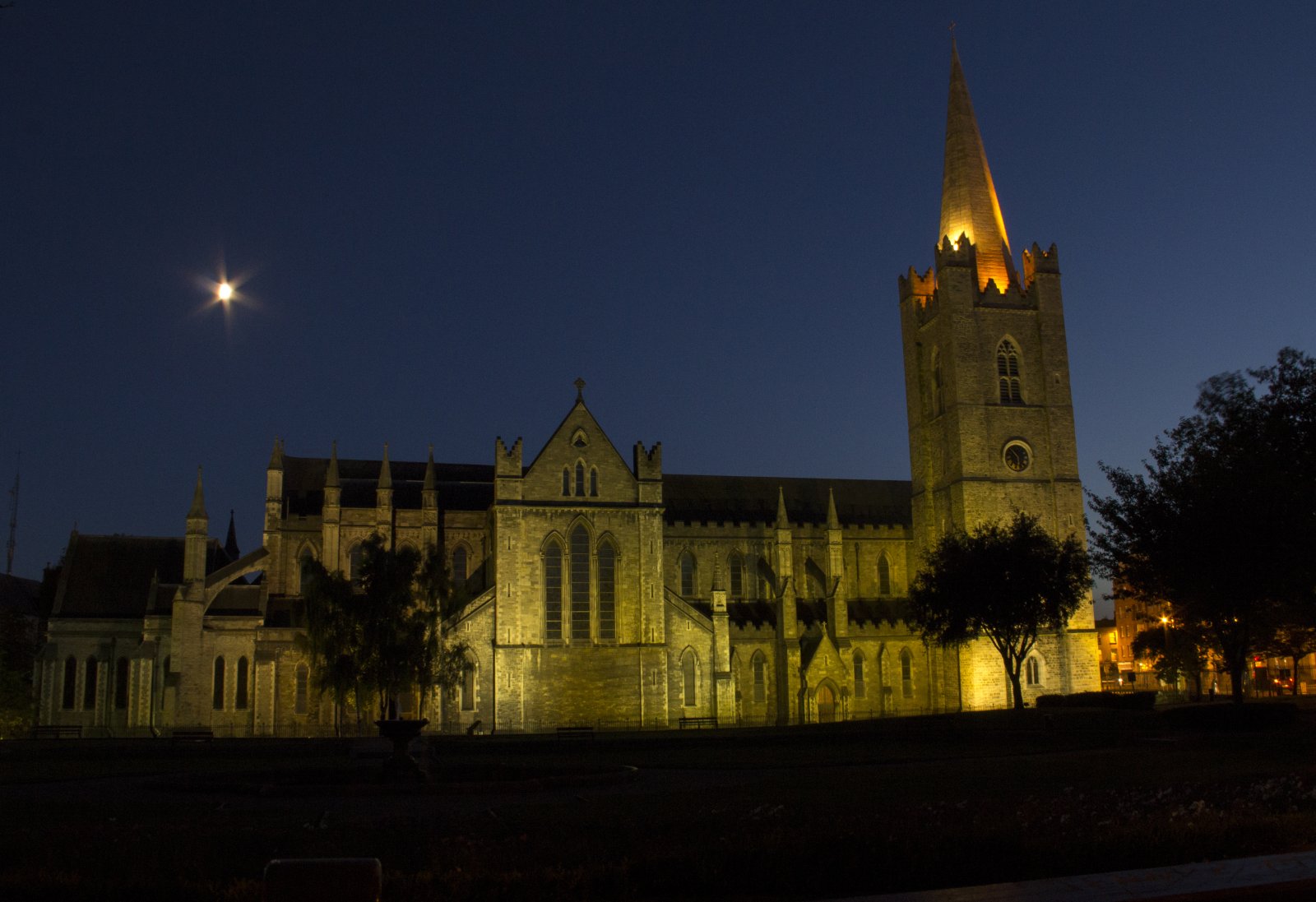
Local culture and traditions are deeply intertwined with the cathedral’s history. An annual highlight is Saint Patrick’s Day, celebrated on March 17th, when Dublin comes alive with parades and revelry. The cathedral hosts a special service that draws locals and tourists alike, offering a moment of reflection amidst the festivities. The Remembrance Sunday service is another poignant event, commemorating Irish soldiers who fought in World Wars.
While the cathedral itself is not a gastronomic hub, its surroundings offer a taste of traditional Irish fare. Nearby, you can savor Irish stew, a hearty dish made with lamb, potatoes, and root vegetables, perfect for warming the soul. For a lighter bite, try boxty, a traditional potato pancake, often served with smoked salmon. Pair these with a pint of Guinness or a glass of Irish whiskey to complete the culinary experience.
Beyond its well-trodden paths, Saint Patrick’s Cathedral harbors lesser-known curiosities. The Door of Reconciliation is a fascinating relic, bearing witness to a dramatic 1492 event. During a feud, the Butlers of Ormond sought refuge in the cathedral. To broker peace, the Fitzgeralds of Kildare cut a hole in the door to shake hands, symbolizing reconciliation. This tale is said to be the origin of the phrase "chance your arm."
For visitors planning a trip, the cathedral is open year-round, with summer months offering the most favorable weather. Arrive early to avoid the crowds, and consider joining a guided tour for deeper insights into its history. Don’t miss the St. Patrick’s Park, adjacent to the cathedral, a serene spot for reflection or a leisurely stroll.
Saint Patrick’s Cathedral is more than just a building; it is a living chronicle of Dublin's spiritual, cultural, and artistic journey. Whether you're drawn by its history, architecture, or the stories it holds, this magnificent edifice offers a profound connection to Ireland's past and present.


