
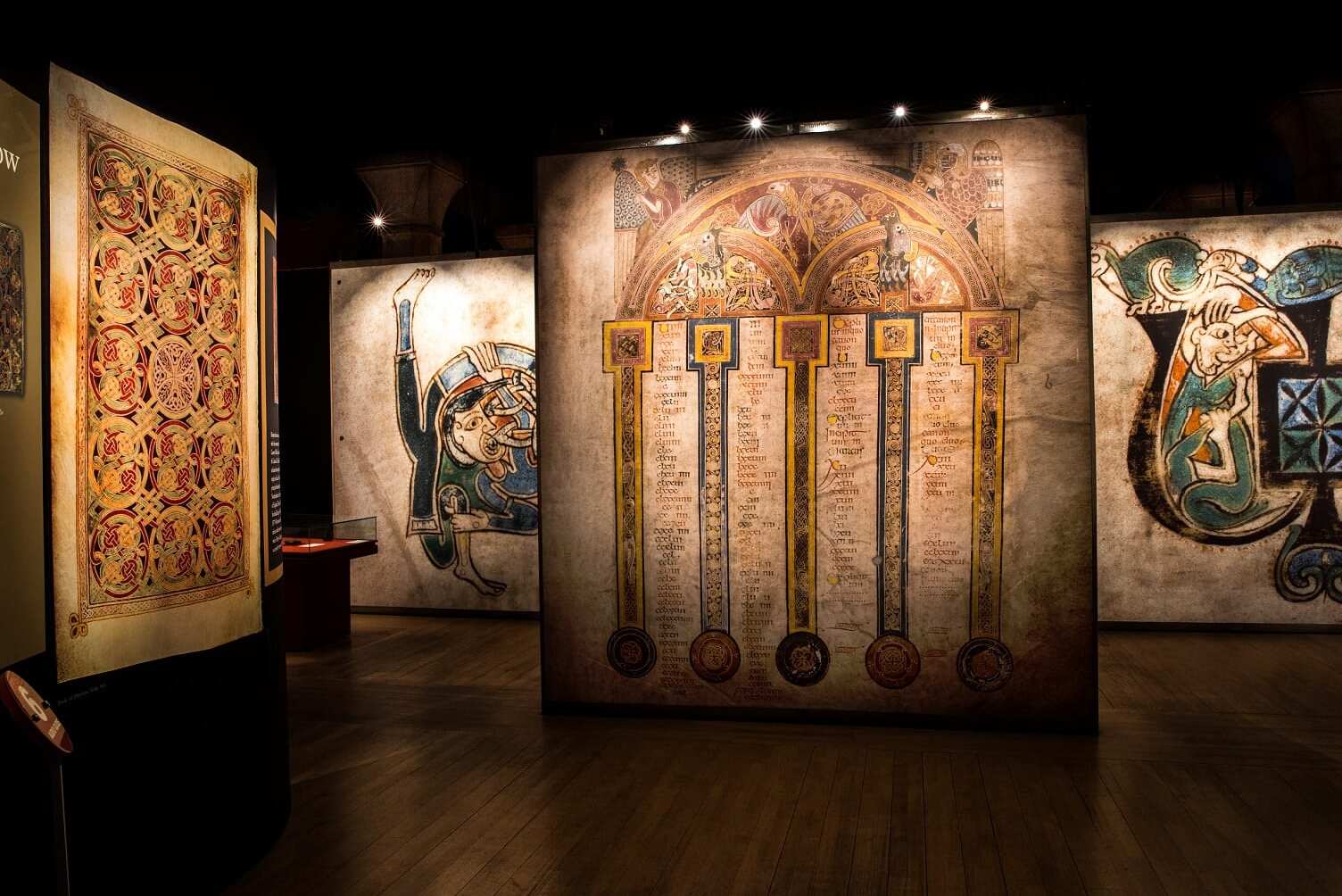

Nestled in the heart of Dublin, the Book of Kells is a dazzling testament to medieval artistry and a cornerstone of Irish heritage. This magnificent manuscript, created in the 9th century, not only illuminates the four Gospels of Jesus Christ but also serves as an enduring symbol of Ireland's vibrant history and culture.
The origins of the Book of Kells trace back to the early Christian monastic settlements on the island of Iona, located off the west coast of Scotland. It is believed that the book was initially crafted by Celtic monks around 800 AD as a means of honoring their faith and preserving the teachings of Christianity. Following a Viking raid on Iona in 806, the monks fled to Kells, County Meath, where the manuscript was completed. This journey reflects the turbulent history of early medieval Ireland, marked by conflict, faith, and resilience.
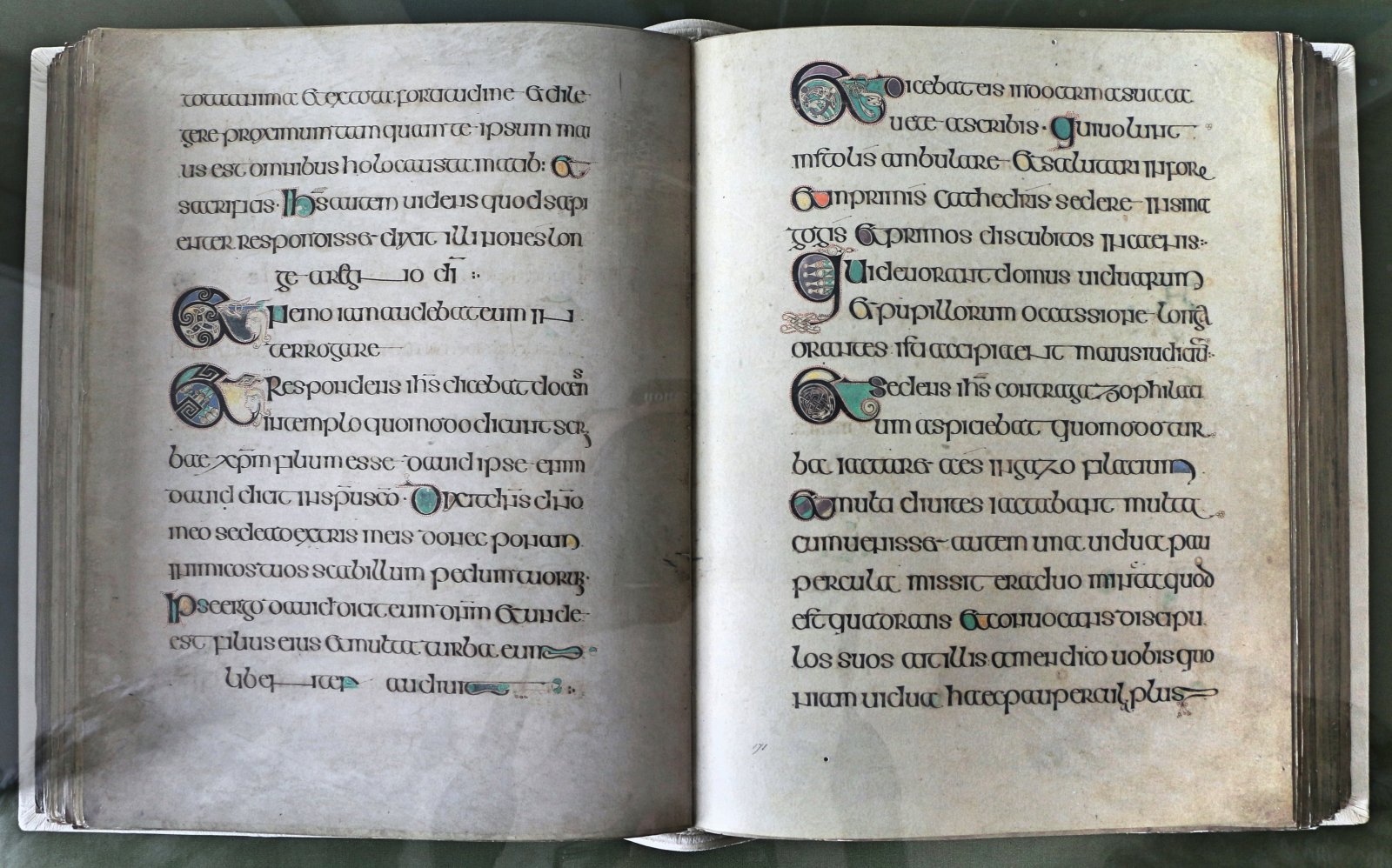
The Book of Kells is renowned for its breathtaking illustrations and elaborate ornamentation, featuring intricate designs, vibrant colors, and interlacing patterns. Comprised of 680 pages, it contains 150 square feet of vivid artwork that brings the text to life. The manuscript's artistry is a blend of Celtic, Christian, and classical influences, showcasing the unique cultural synthesis that defined Ireland during this period. Each page is a visual feast, with depictions of animals, mythical creatures, and intricate knotwork that have inspired generations of artists and designers.
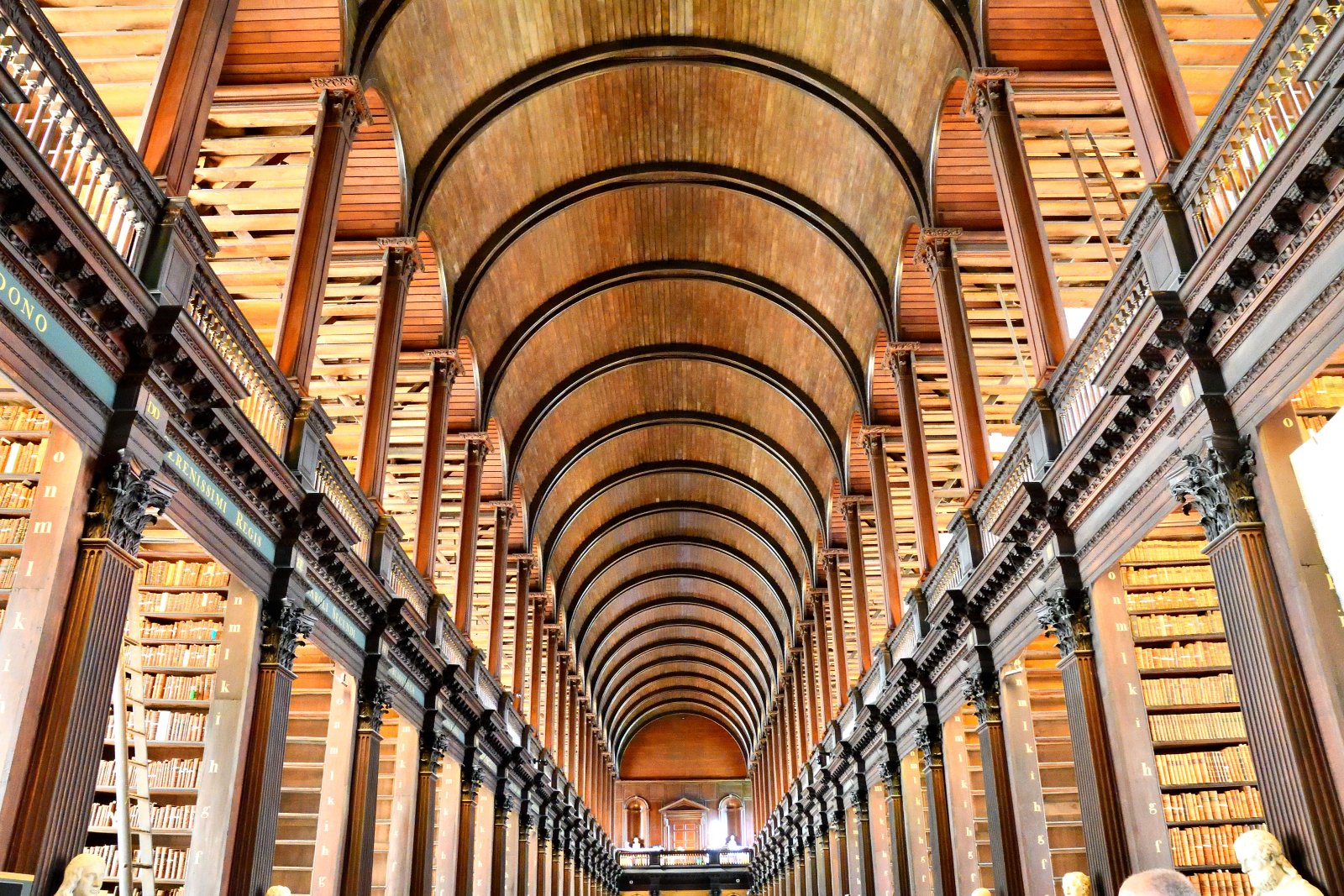
Visitors to the Old Library at Trinity College Dublin, where the Book of Kells is housed, are immediately struck by the stunning architecture of the building itself. Designed in the Georgian style, the library boasts a long room that stretches 65 meters and is lined with oak bookcases filled with rare texts and manuscripts. The atmosphere is imbued with a sense of reverence, as the scent of old books permeates the air, and the soft light filters through the windows, illuminating the pages of the Book of Kells.
Dublin's local culture is deeply intertwined with its literary and artistic heritage, and the Book of Kells plays a significant role in this narrative. The city is home to a range of vibrant festivals that celebrate its literary legacy, including the Dublin Literary Award and the Dublin Book Festival. These events highlight the importance of storytelling, poetry, and literature in Irish life, drawing both locals and international visitors alike to engage with the city's rich narrative tradition.
When visiting Dublin, one cannot overlook the culinary delights that the city has to offer. Traditional Irish dishes such as Irish stew, boxty (a type of potato pancake), and soda bread are staples in many local eateries. Pair your meal with a pint of Guinness, the iconic stout that has become synonymous with Dublin's identity. For a sweet treat, try a slice of Bailey’s cheesecake or indulge in scones served with clotted cream and jam, a perfect complement to a leisurely afternoon tea.
While many visitors flock to see the Book of Kells, there are lesser-known curiosities that add depth to this cultural treasure. For instance, the manuscript’s lavish illustrations feature an astonishing array of zoomorphic designs—animals represented in intricate, abstract forms. Additionally, hidden within its pages are the names of the scribes, including Ferdomnach, who meticulously crafted the text and art, offering a personal connection to the creators behind this monumental work.
The best time to visit the Book of Kells is during the shoulder seasons of spring (April to June) and autumn (September to October). These months not only offer milder weather but also fewer crowds, allowing for a more intimate experience with the manuscript. Be sure to book your tickets in advance, as entrance is timed and often sells out, especially during peak tourist seasons. Look out for the illuminated pages on display, which rotate throughout the year, ensuring each visit can reveal new artistic wonders.
In addition to the Book of Kells, the surrounding Trinity College campus is a delight to explore. Stroll through the manicured lawns, visit the Science Gallery, and take in the stunning architecture of the college grounds.
As you weave your way through Dublin's historical tapestry, the Book of Kells stands as a brilliant gem, beckoning you to delve deeper into the stories it holds. Use the Secret World app to plan a personalized AI itinerary that will help you make the most of your visit to this enchanting city.


