
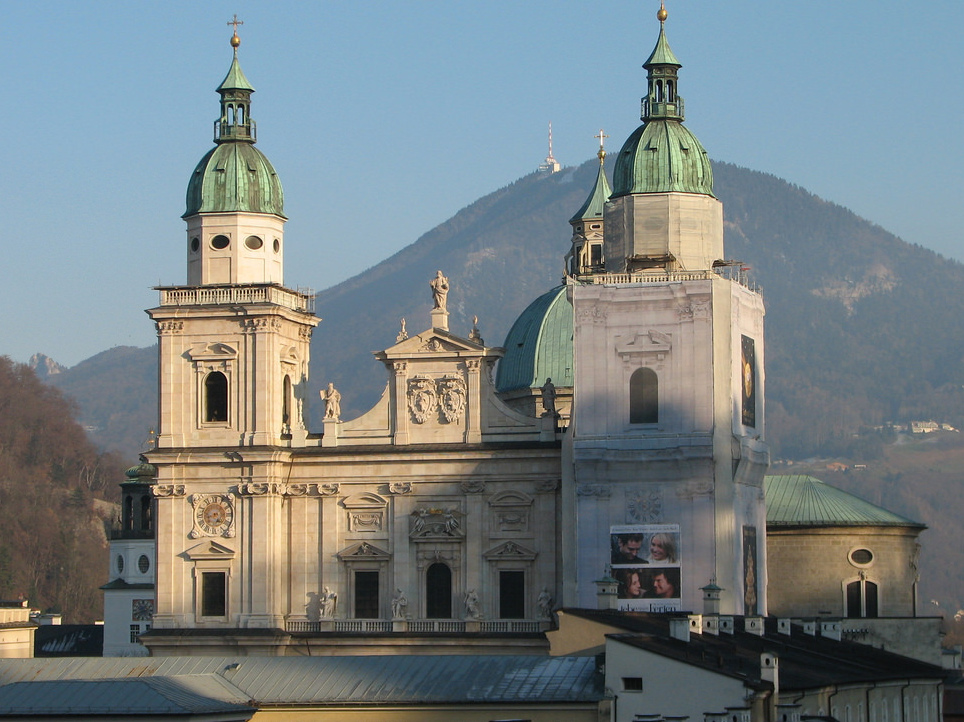

The Salzburg Cathedral, or Salzburger Dom, is not merely a religious structure; it is a magnificent symbol of the city’s rich history and cultural heritage. With its striking Baroque architecture, crowned by a mighty dome and flanked by twin towers, the cathedral casts an awe-inspiring silhouette against the backdrop of the Austrian Alps, captivating visitors from around the world.
History and Origins
The roots of Salzburg Cathedral date back to the 8th century, when the first church was constructed in 774 under the auspices of Saint Rupert, the founder of Salzburg. This initial structure was a modest affair, but it laid the foundation for what would become Austria’s oldest bishop's church. The cathedral as it stands today was built between 1614 and 1628, designed by the architect Santino Solari. Following extensive damage during a fire in 1598, the church was rebuilt in the early Baroque style, which was characterized by grandeur and intricate detailing.
Over the centuries, the cathedral has witnessed significant historical events, including the consecration of the first archbishop of Salzburg and countless services attended by the faithful. It was also the site of Mozart’s baptism in 1756, providing a deeper connection to the city's most famous son. The cathedral's history is interwoven with the city's development, reflecting the shifts in religious and political climates throughout the ages.
Art and Architecture
The architectural brilliance of Salzburg Cathedral is evident in its Baroque design, which emphasizes dramatic forms and elaborate ornamentation. The façade, with its pale green domes and gold accents, is adorned with intricate stucco work and statues that narrate biblical stories. Inside, visitors are greeted by a breathtaking harmony of light and color, thanks to the stunning stained-glass windows that flood the nave with a kaleidoscope of hues.
One of the cathedral's most notable features is the high altar, which is a striking centerpiece crafted from marble and gold leaf. The altar is flanked by grand columns and topped with a magnificent painting of the Assumption of the Virgin Mary, executed by the artist Paul Troger. The intricate stucco décor throughout the cathedral, including the work of Joseph Anton Pfaff, showcases the artistry of the Baroque period and adds to the cathedral's ethereal atmosphere.
Local Culture and Traditions
The Salzburg Cathedral is not only a place of worship but also a focal point for local culture and traditions. Each year, the cathedral hosts a variety of religious ceremonies, including the midnight mass on Christmas Eve, which attracts both locals and visitors alike. The cathedral's bells, which resonate throughout the city, play a crucial role in marking important events in the liturgical calendar and daily life.
Salzburg is also known for its vibrant festivals, many of which take place in the shadow of the cathedral. The Salzburg Festival, held annually in July and August, celebrates music and drama, with performances often staged in the cathedral itself. This cultural extravaganza draws artists and audiences from around the globe, further solidifying Salzburg’s reputation as a hub of artistic excellence.
Gastronomy
Exploring Salzburg’s culinary scene provides a delightful complement to a visit to the cathedral. Local specialties include the famous Salzburger Nockerl, a sweet soufflé that embodies the lightness of the region’s culinary traditions. A visit to the historic St. Peter Stiftskeller, situated just a stone's throw from the cathedral, allows you to savor traditional Austrian dishes while immersed in a setting steeped in history.
Don’t miss the chance to try Mozartkugel, a confectionery treat made of pistachio marzipan and nougat, encased in dark chocolate. Named after the city's most famous composer, these delightful sweets are a must-try for any visitor. Pair them with a cup of Austrian coffee or a glass of local wine to truly indulge in the flavors of Salzburg.
Lesser-known Curiosities
As you wander around the cathedral, keep an eye out for the hidden details that often go unnoticed. For instance, the cathedral houses a baptismal font that dates back to 1322, crafted from sandstone. This font is not only a remarkable artifact but also a testament to the continuity of faith in the region.
Another intriguing aspect is the crypt, which lies beneath the cathedral. Here, you’ll find the remains of prominent archbishops and historical figures, some of whom played pivotal roles in the development of Salzburg. The catacombs, carved into the rock beneath the cathedral, are equally fascinating, offering a glimpse into the city’s spiritual past.
Practical Visitor Information
The best time to visit Salzburg Cathedral is during the spring and early fall when the weather is mild, and the city is less crowded. Make sure to check the cathedral’s official website for mass schedules and visiting hours, as they can vary. When visiting, look for the exquisite details in the artwork and the serene ambiance that invites contemplation and reflection.
To fully appreciate the cathedral's grandeur, consider joining a guided tour that provides insights into its history and artistic significance. Be sure to take a moment to sit in the pews and absorb the atmosphere, as many visitors find this to be a deeply moving experience.
As you plan your journey through the enchanting streets of Salzburg, consider using the Secret World app to create a personalized itinerary that includes the cathedral and much more.


