


In the heart of Uzbekistan, the city of Samarkand is not only a UNESCO World Heritage Site but also a treasure trove of history, art, and culture. Among its myriad wonders lies the Kufic Quran, an ancient manuscript that has captivated scholars and believers alike for centuries. This revered text, believed to be among the oldest copies of the Quran in existence, holds a profound significance in the Islamic world and offers a glimpse into the rich tapestry of Central Asian history.
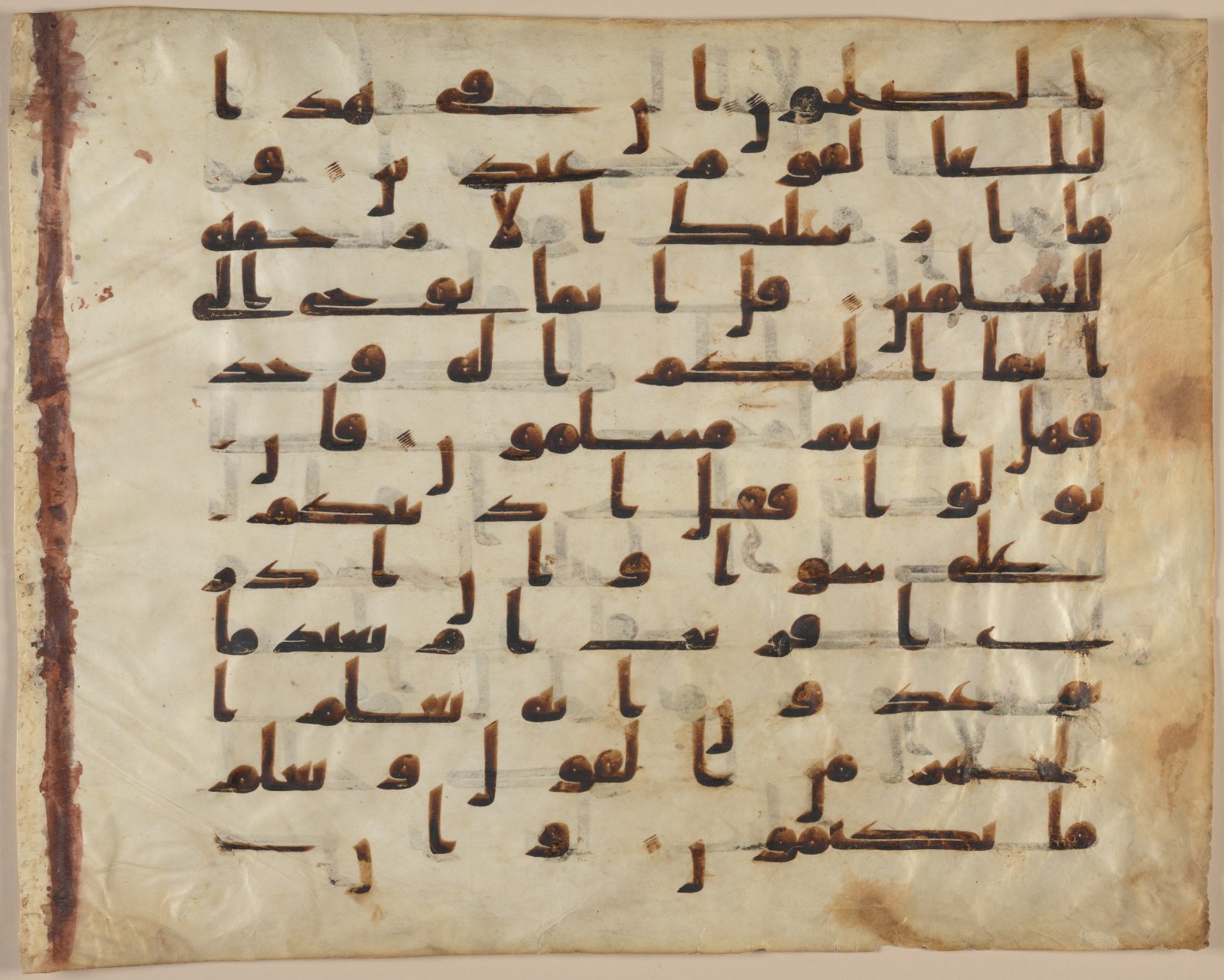
History and Origins The origins of the Kufic Quran date back to a time when the Islamic empire was expanding, and the need for a standardized text became paramount. Commissioned by Caliph Uthman in 651 AD, this manuscript is thought to be part of a larger effort to unify the diverse interpretations of the Quran following the death of Prophet Muhammad. While the exact date of the manuscript's creation is debated, with estimates ranging from 595 AD to 855 AD, most scholars lean towards the 8th or 9th century. The belief that it may be a direct descendant of Uthman's original copies adds to its mystique, although modern research suggests it was produced much later.
Art and Architecture The Kufic script, characterized by its angular shapes and geometric precision, represents one of the earliest forms of Arabic calligraphy. The manuscript is a stunning example of this art form, featuring intricate designs and ornate flourishes that elevate the text to an artistic level. The Kufic Quran's pages are adorned with gold leaf and rich pigments, which not only enhance its visual appeal but also echo the cultural significance of the Quran in Islamic society. Visitors to Samarkand can appreciate the beauty of this script in various historical sites around the city, including the majestic Registan Square, where the architectural splendor of the Timurid period is on full display.
Local Culture and Traditions The culture of Samarkand is deeply intertwined with its Islamic heritage. Local customs reflect a blend of ancient traditions and Islamic practices, especially during significant celebrations such as Ramadan and Eid al-Fitr. During these times, the community comes alive with prayers, special meals, and festive gatherings. The Nauroz festival, marking the Persian New Year, is another vibrant celebration where locals partake in traditional music, dance, and an array of delicious foods, showcasing the city's rich cultural tapestry. Visitors to the city are often welcomed with open arms, as hospitality is a cornerstone of Uzbek culture.
Gastronomy No visit to Samarkand is complete without indulging in its culinary delights. The city is famous for its plov, a hearty rice dish often made with lamb, carrots, and spices, embodying the essence of Uzbek cuisine. Other local specialties include samsa (savory pastries filled with meat or vegetables) and lagman (noodle soup with vegetables and meat). To accompany these dishes, one can enjoy chai (tea), which is a staple in Uzbek households. Visitors are encouraged to dine at local teahouses, known as chaykhana, where the atmosphere reflects the warmth and hospitality of the Uzbek people.
Lesser-Known Curiosities While the Kufic Quran is a central attraction, there are many hidden gems in Samarkand that often go unnoticed. One such curiosity is the Shah-i-Zinda, a necropolis known for its stunning mosaics and intricate tile work, which often leaves visitors in awe. Another intriguing detail is the Bibi-Khanym Mosque, once one of the largest mosques in the world, whose grand facade and historical significance tell tales of Timur’s ambition. Additionally, the legendary tales of Al-Bukhari, a prominent Islamic scholar, add layers of depth to the city's historical narrative, making it a fascinating place for history enthusiasts.
Practical Visitor Information The best time to visit Samarkand is during the spring (April to June) and autumn (September to November) when the weather is mild and pleasant for exploring the city's many attractions. It is advisable to dress modestly, respecting local customs, especially when visiting religious sites. When planning your visit, ensure to allocate time for both the major landmarks and the lesser-known sites to truly appreciate the depth of Samarkand's cultural heritage. Guided tours can provide insights into the historical significance of the Kufic Quran and other attractions, enriching your experience.
For a personalized experience that captures the essence of Samarkand, consider using the Secret World app to plan your itinerary.


