
← Back

San Lorenzo Archaeological Museum

Via S. Lorenzo, 4, 26100 Cremona CR, Italia ★★★★☆ 272 views
Samara Lionel
Cremona
🏆 AI Trip Planner 2026

Get the free app

Discover the best of Cremona with Secret World — the AI trip planner with 1M+ destinations. Get personalized itineraries, hidden gems and local tips. Free on iOS & Android.

🧠 AI Itineraries 🎒 Trip Toolkit 🎮 KnowWhere Game 🎧 Audio Guides 📹 Videos
Scan to download iOS / Android
Scan for AppGallery Huawei users

About San Lorenzo Archaeological Museum

San Lorenzo Archaeological Museum - Cremona | Secret World Trip Planner

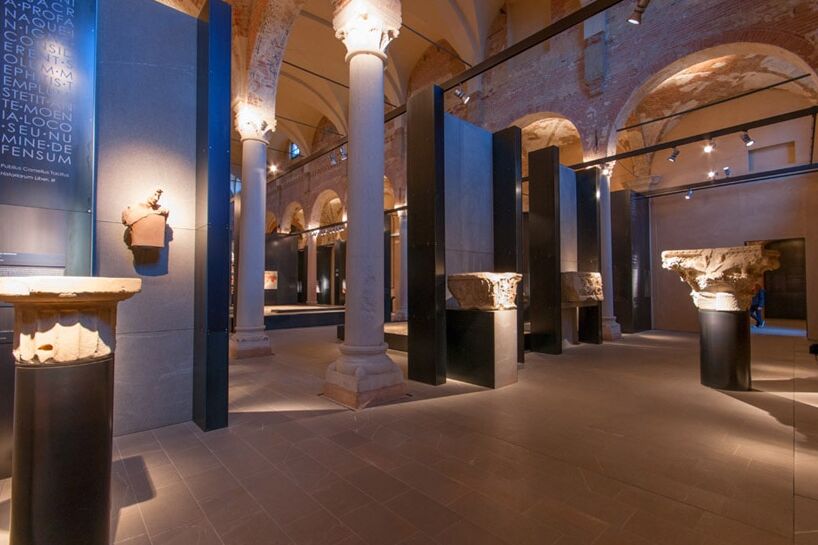
On May 31, 2009 the new Archaeological Museum was opened to the public in the basilica church of San Lorenzo and in the adjoining 15th century Meli chapel. It constitutes the development of the old Archaeological Section of the Civic Museum, closed since the end of the 90s to allow the restoration of some types of materials - in particular mosaics - and completes the exhibition, still in Palazzo Affaitati, of the collections of formation "historical" not territorial, starting from the legacy of Marquis Ala Ponzone.

The church of San Lorenzo, deconsecrated at the end of the 18th century, with a basilica plan with three naves, dates back to the end of the 12th - beginning of the 13th century and has the peculiar characteristics of Romanesque architecture.

The excavations carried out since 1962 have brought to light the remains of a previous church, identifiable with the one mentioned by a parchment of 990, of an early Christian cemetery building and of a Roman necropolis of the first century BC, located at the first suburban stretch, towards east, of the ancient Via Postumia.

The use of the monumental complex as a museum, itself an archaeological site, has favoured its complete recovery, both from a structural and decorative point of view, even though it is still preserved.

At present, it houses what can be considered the heart of the archaeological collections of Cremona: through the finds found from the nineteenth century until the recent excavation of Piazza Marconi, the image of the city founded by the Romans in 218 BC, the first north of the Po, is restored.

🗺 AI Trip Planner

Plan your visit to Cremona

Suggested itinerary near San Lorenzo Archaeological Museum

MAJ+
500.000+ travelers worldwide
  1. 🌅
    Morning
    San Lorenzo Archaeological Museum
    📍 Cremona
  2. ☀️
    Afternoon
    I marubini : la pasta delle feste
    📍 0.6 km · Cremona
  3. 🌆
    Evening
    Provolone Valpadana PDO
    📍 0.6 km · Cremona

Buy Unique Travel Experiences

Powered by Viator

See more on Viator.com

Explore nearby · Cremona

Frequently Asked Questions

The San Lorenzo Archaeological Museum officially opened on May 31, 2009, housed within the deconsecrated basilica church of San Lorenzo and the adjacent 15th century Meli chapel. The museum represents a significant development of the old Archaeological Section of the Civic Museum, which had been closed since the late 1990s for restoration work on materials like mosaics.
The museum's collections span multiple historical periods, from a Roman necropolis dating to the first century BC, through early Christian cemetery remains, to a medieval church from 990 AD. The exhibits restore the image of Cremona as it was founded by the Romans in 218 BC, making it the first Roman city north of the Po River.
The church of San Lorenzo features a basilica plan with three naves and distinctive Romanesque architecture dating back to the end of the 12th and beginning of the 13th century. The building was deconsecrated at the end of the 18th century and has been carefully restored both structurally and decoratively while being converted into a museum.
Excavations conducted since 1962 have uncovered the remains of a previous church mentioned in a 990 AD parchment, an early Christian cemetery building, and a Roman necropolis from the first century BC located along the ancient Via Postumia. These findings provide crucial insights into Cremona's layered history from Roman times through the medieval period.
San Lorenzo is itself an archaeological site, which has enabled the complete recovery and restoration of the monumental complex while preserving its historical integrity. This dual role as both an active excavation site and museum allows visitors to experience authentic archaeological remains within the original architectural context where they were discovered.
