
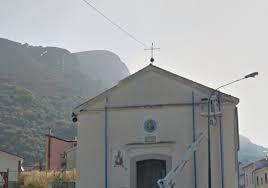

Nestled in the picturesque landscape of San Mango Piemonte, the Church of Santa Maria a Corte stands as a testament to the enduring legacy of medieval art and architecture. This remarkable site, dating back to the 11th century, offers a rare glimpse into a world where faith, art, and history seamlessly intertwine.
The church's origins trace back to a period when the Lombards, a Germanic people who ruled parts of Italy, left their distinctive mark on the region's cultural landscape. Founded during the height of medieval Europe's religious fervor, Santa Maria a Corte played a pivotal role as a spiritual and community center. Over the centuries, it has witnessed a tapestry of historical events, from the Norman conquests to the peaceful transitions of the Italian Renaissance, each leaving an indelible mark on its storied walls.
Stepping inside, visitors are enveloped by the church's serene ambiance and the exquisite artistry that adorns its interior. The architectural style is a captivating blend of Romanesque and early Gothic elements, characterized by its robust stone walls and elegantly austere design. Noteworthy are the numerous ancient paintings that line the walls, offering a vivid glimpse into the spiritual life of past centuries. One of the most treasured features is the reliquiarium of San Magno, an ornately crafted reliquary that holds sacred relics attributed to the martyred Saint Magnus, a figure of profound local reverence.
Beyond its architectural marvels, the church is a vibrant focal point of San Mango Piemonte's cultural heritage. The town's residents gather here for traditional celebrations, including the Feast of San Magno, held annually in August. This joyous festival sees locals donning traditional attire, engaging in lively processions, and sharing communal meals that echo the region's rich culinary traditions.
Speaking of gastronomy, San Mango Piemonte offers a delectable array of local foods that capture the essence of southern Italian flavor. Among the must-try dishes is Caciocavallo Silano, a semi-hard cheese with a distinctive pear shape, often enjoyed with a drizzle of local honey. The area is also renowned for its Limoncello, a zesty lemon liqueur that perfectly encapsulates the sunny spirit of the Campania region. Visitors can indulge in these delights at local trattorias, where family recipes have been passed down through generations.
For those seeking to uncover the lesser-known facets of this enchanting locale, the church harbors a few hidden secrets. One such curiosity is the underground crypt, rarely open to the public, where early Christian symbols and enigmatic inscriptions can be found. Local legend speaks of a hidden passageway beneath the church, rumored to have been used by monks during times of conflict to safeguard valuable relics.
When planning a visit to the Church of Santa Maria a Corte, timing is key to fully appreciating its beauty and tranquility. The best period to explore is during the late spring or early autumn when the weather is mild, and the surrounding countryside is awash with vibrant colors. It's advisable to check the church's schedule in advance, as it may host events or services that could limit access to certain areas.
As you wander through the church, take a moment to observe the intricate play of light and shadow across the frescoes, revealing layers of history and devotion. Be sure to pause and reflect in the peaceful courtyard, where the soft rustle of olive trees offers a soothing counterpoint to the region's rich historical narrative.
The Church of Santa Maria a Corte is more than just a religious site; it is a living repository of history, art, and community spirit. For those who venture to San Mango Piemonte, it promises an enriching journey through time and tradition, leaving an indelible imprint on the heart and mind.


