
Nestled within the heart of Italy, San Marino stands as a testament to resilience and independence, making it the world's oldest republic. Established in 301 AD by a Christian stonemason named Marinus, this microstate has an intriguing history that intertwines with the broader tapestry of European politics, culture, and conflict.
### History and Origins
The founding of San Marino is steeped in legend, with Marinus seeking refuge from Roman persecution on the slopes of Mount Titano. As the tale goes, he established a small community that would grow into a self-governing entity. Over centuries, San Marino adeptly navigated the tumultuous waters of European history. It remained neutral during the Italian unification in the 19th century, choosing to maintain its independence while neighboring city-states fell to the tides of change.
Key historical milestones include the signing of the Treaty of Friendship with Italy in 1862, which recognized San Marino's sovereignty. During World War II, it served as a refuge for those fleeing the conflict, further solidifying its image as a bastion of liberty. Today, San Marino's government retains a unique structure, featuring two Captains Regent, who serve as heads of state for six-month terms.
### Art and Architecture
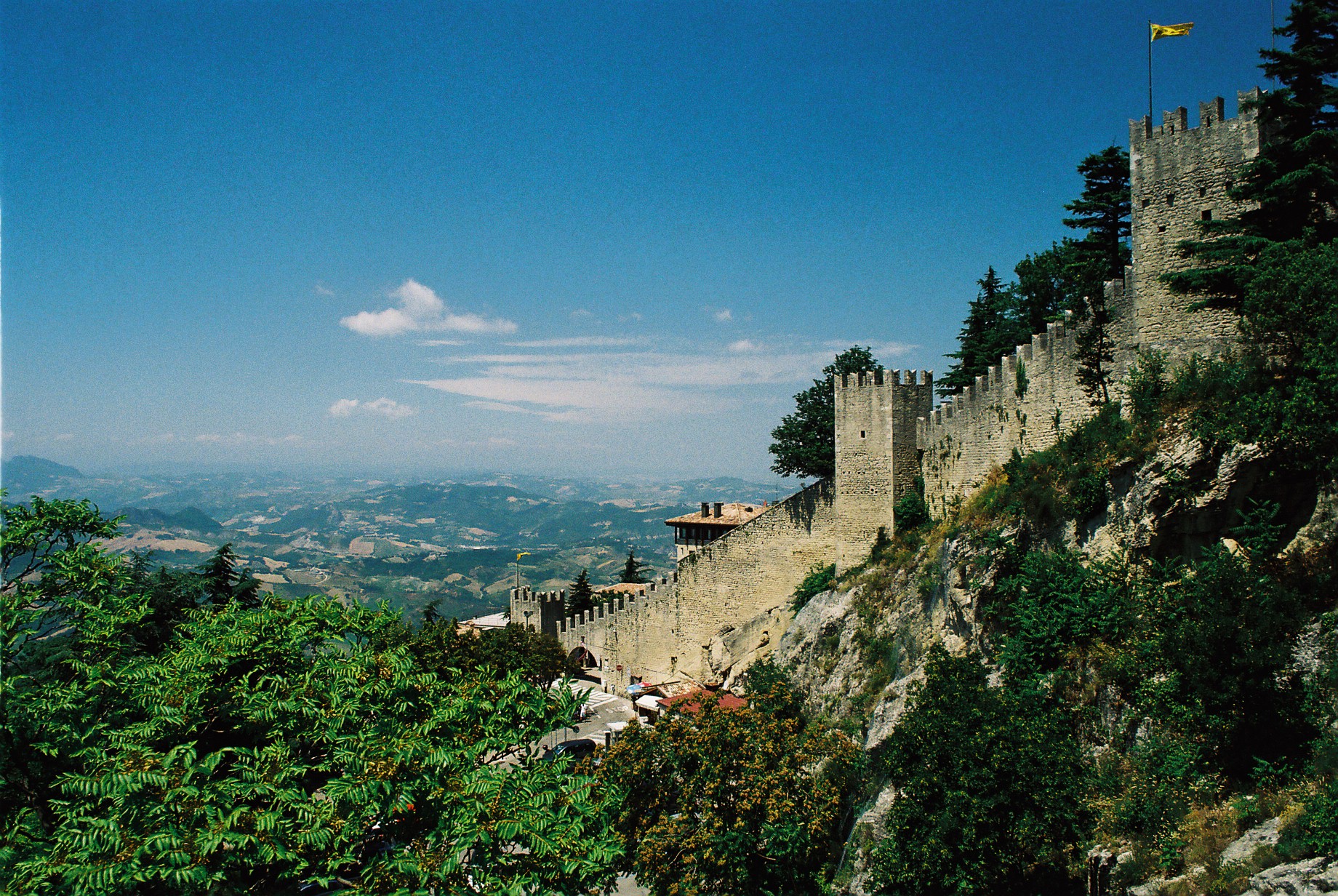
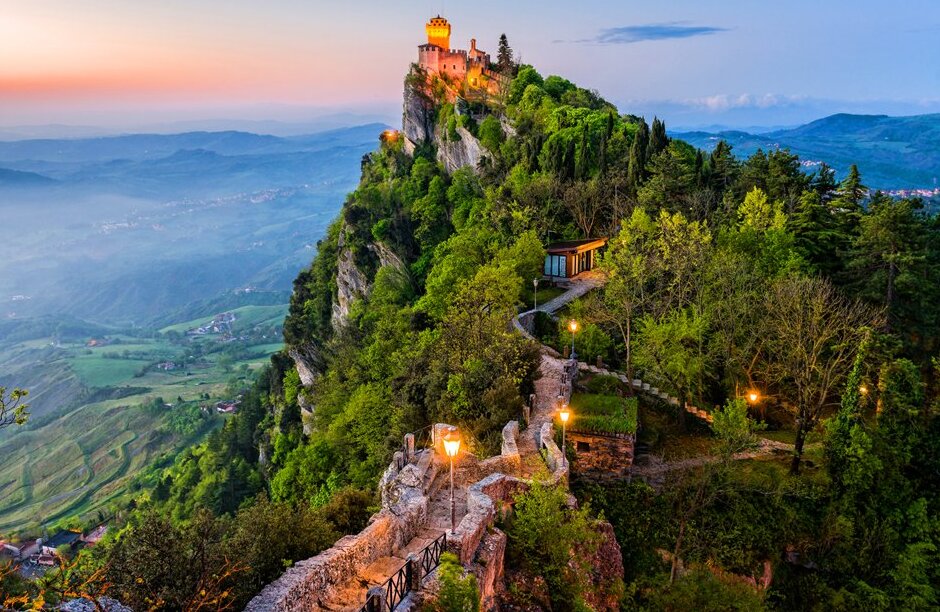
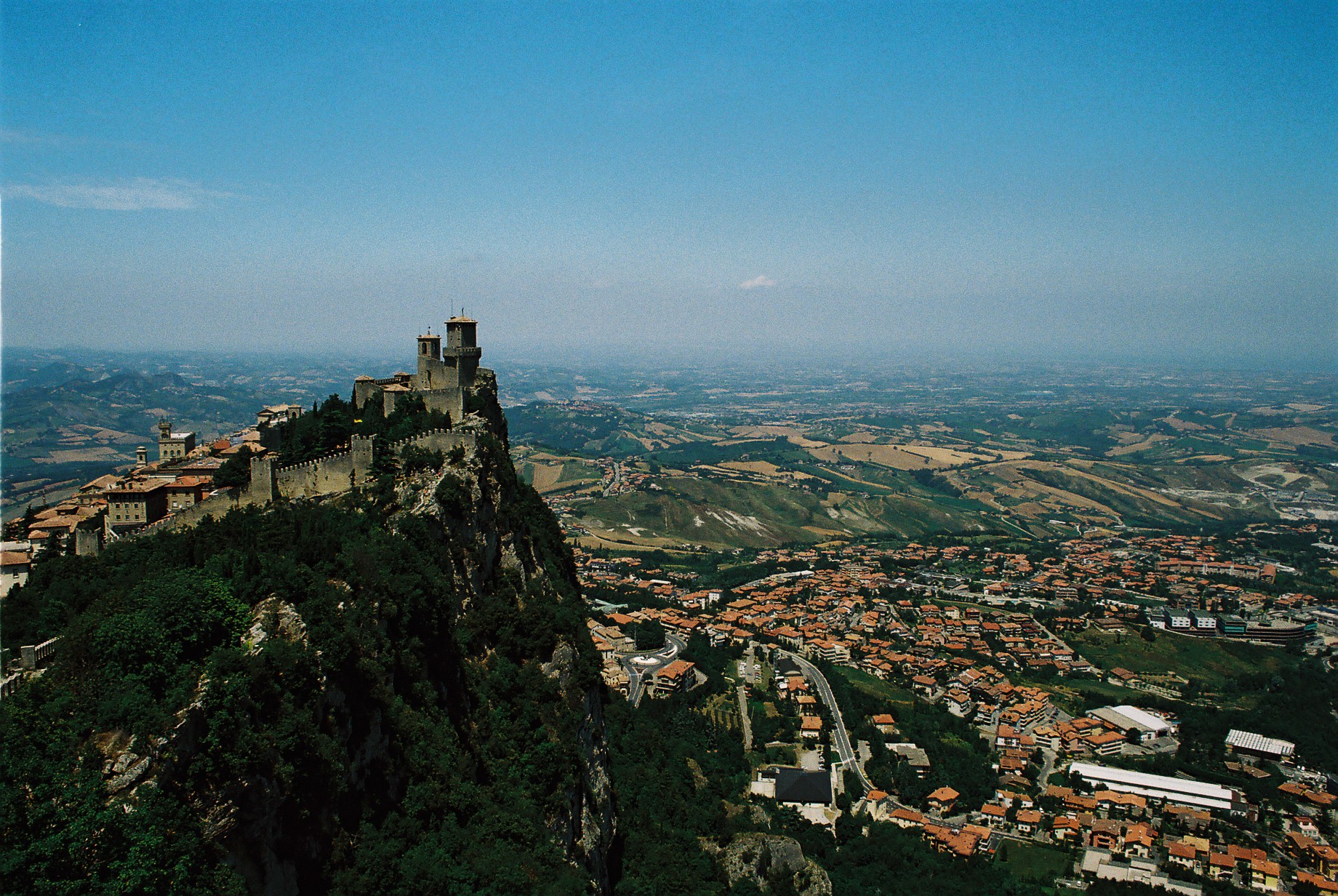
The architecture of San Marino captivates visitors with its blend of medieval and Renaissance elements. Dominating the skyline are the Three Towers of San Marino: Guaita, Cesta, and Montale. Guaita, the oldest tower, dates back to the 11th century and offers panoramic views that showcase the beauty of the surrounding Appenines.
The Basilica di San Marino, completed in the early 19th century, is another architectural gem, featuring neoclassical design and housing the remains of Saint Marinus. The Palazzo Pubblico, with its stunning façade and elegant interior, serves as the seat of government and is adorned with historical frescoes and sculptures that reflect the republic's rich heritage.
### Local Culture and Traditions
San Marino's culture is deeply rooted in its storied past. The republic celebrates numerous festivals throughout the year, the most notable being the Festa della Libertà in September, commemorating the establishment of its independence. During this festival, the streets come alive with parades, traditional music, and reenactments, drawing locals and tourists alike.
Another significant event is the Historical Reenactment of the Palio di San Marino, a colorful celebration featuring medieval costumes, jousting, and archery that encapsulates the spirit of the republic's history. The people of San Marino take great pride in their traditions, which are often expressed through their artisanal crafts, particularly ceramics and textiles.
### Gastronomy
A visit to San Marino would be incomplete without indulging in its culinary delights. The local cuisine is a reflection of its Italian heritage, with an emphasis on simplicity and high-quality ingredients. One must-try dish is Tortellini di San Marino, a pasta filled with a mixture of meats and herbs, often served in a rich broth.
Another local favorite is Fried Cheese (formaggio fritto), a delightful snack that pairs beautifully with the region's wines. Speaking of beverages, Sangiovese and Trebbiano wines from the hills surrounding San Marino are a must-try, offering a taste of the local terroir.
### Lesser-known Curiosities
Despite its small size, San Marino is home to several surprising facts. For instance, it has its own postage stamps, which are highly collectible, and its own currency, the Sammarinese lira, although the euro is widely used. Interestingly, San Marino boasts one of the world's oldest constitutions, dating back to 1600, which has been revised only slightly over the centuries.
Many visitors overlook the Museo di Stato, which houses an impressive collection of art and artifacts, including works from the Renaissance period that reflect the republic's cultural evolution. Additionally, the Guaita Tower features a hidden chapel that served as a refuge for the faithful during times of strife, a testament to the intertwining of religion and governance throughout San Marino's history.
### Practical Visitor Information
The best time to visit San Marino is during the spring and fall months when the weather is mild and the landscapes are lush. Summer can be crowded, but the vibrant atmosphere is appealing to many tourists. When planning your visit, consider hiking up to the Three Towers for breathtaking views and the chance to explore the surrounding natural parks.
To maximize your experience, take advantage of local guides who can provide insights into the history and culture that may be missed on a self-guided tour. Don’t forget to sample local delicacies at traditional trattorias, and be sure to bring a camera to capture the picturesque scenery.
In this microstate, history and modernity coexist harmoniously, offering a unique glimpse into a world where tradition is cherished. For a tailored experience, consider using the Secret World app to plan your personalized AI itinerary to explore this enchanting republic.